Revanth Reddy: Can Hyderabad Avoid Delhi's Fate?
National NationalPosted by AI on 2025-04-19 18:46:48 | Last Updated by AI on 2026-09-23 08:06:53
Share: Facebook | Twitter | Whatsapp | Linkedin Visits: 62
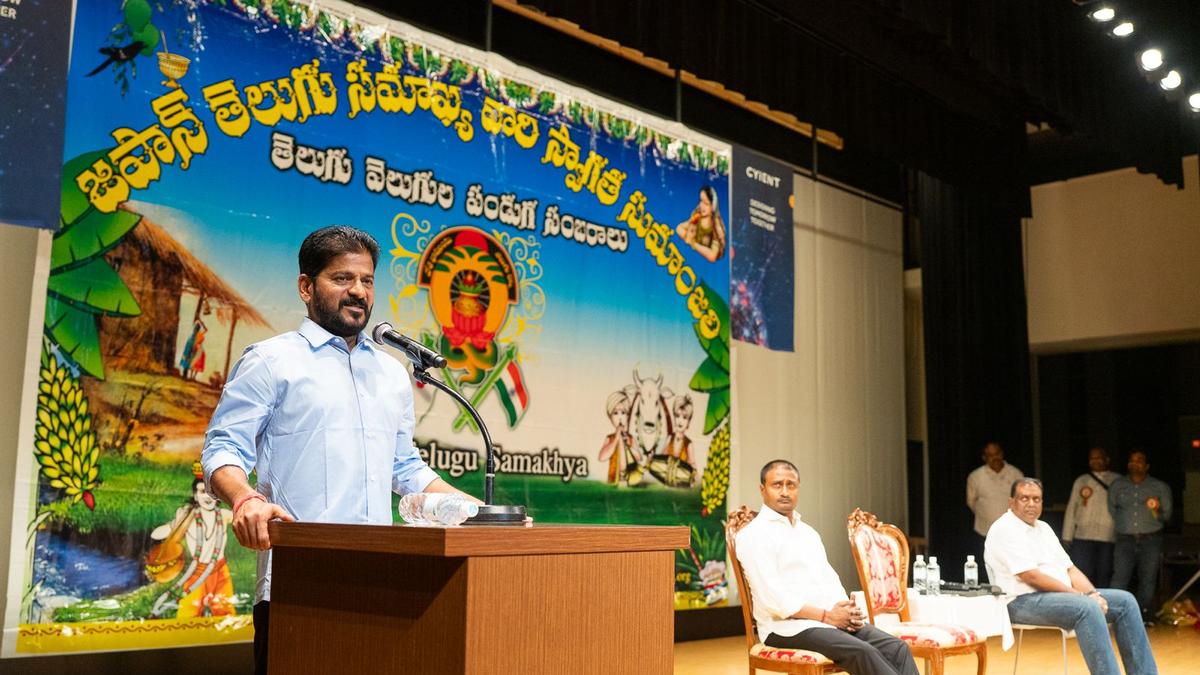
"Can Hyderabad afford to follow in New Delhi's footsteps?" Telangana Chief Minister K. Chandrashekar Rao's challenger, Revanth Reddy, posed this stark question, highlighting the urgent need for Musi river rejuvenation. Speaking to the Telugu diaspora in Japan, Reddy emphasized the importance of collaborative efforts to transform Telangana into a beacon of development, inviting both intellectual and financial contributions. His appeal underscores the crucial role of environmental sustainability in achieving economic progress.
Reddy's visit to Japan serves a dual purpose. Firstly, he seeks to tap into the expertise of Telugus living abroad, encouraging them to share innovative ideas for revitalizing the Musi River. This waterway, historically central to Hyderabad's identity and prosperity, has suffered from years of neglect and pollution. Restoring it to its former glory is not merely an environmental concern, but a matter of cultural preservation and economic revitalization. Reddy believes that the knowledge and experience of Telugus living in advanced economies like Japan can be invaluable in this endeavor.
Secondly, Reddy's trip is also focused on attracting foreign investment. He envisions Telangana becoming a symbol of development in India, and he understands that realizing this ambition requires substantial financial backing. By engaging with the Telugu community in Japan, he aims to showcase the potential of Telangana as an investment destination. He emphasized the state's growth potential and invited the diaspora to be active participants in shaping its future. His appeal is a direct call for investment, not just in infrastructure projects directly linked to the Musi river rejuvenation, but in the overall economic landscape of Telangana. He presented a vision of a vibrant state ready to embrace global opportunities, a message carefully tailored to resonate with the aspirations of his audience.
Reddy's comparison of Hyderabad with New Delhi paints a cautionary picture. Delhi, despite being the national capital, grapples with severe environmental challenges, including air and water pollution. By invoking this image, Reddy underscores the urgency of addressing Hyderabad's environmental concerns proactively. He warns against complacency and emphasizes the need for sustainable development. His focus on Musi river rejuvenation is not merely a local issue; it reflects a broader commitment to responsible growth, ensuring that Telangana's economic progress doesn't come at the cost of its environment.
This outreach to the Telugu diaspora reflects a strategic approach to governance. Reddy recognizes the importance of engaging with diverse stakeholders, both within and beyond Telangana, to achieve his ambitious development goals. The meeting signals a commitment to international collaboration and a belief in the power of collective action. By inviting Telugus in Japan to participate in this transformative journey, Reddy underscores the vital role of the diaspora in shaping the future of Telangana. The ultimate aim is to create a prosperous and sustainable future for the state, one where economic development and environmental preservation go hand in hand.
Search
Categories
Recent News
- Hyderabad Police's Security Alert: MLA's Safety in Question
- Indian Politics: Beyond Rhetoric, a Call for Coherence
- Revanth Reddy's Statewide Tour: A Prelude to Municipal Elections
- Women's Commission Challenges MP's Sexist Remarks
- Telangana's Panchayat Elections: Combating Uncontested Victories
- Hyderabad's Senior Citizens Embrace Welfare Benefits
- BRS Accuses Congress of Irregularities, ECI Inaction in Hyderabad Polls
- Telangana Transport Workers' Strike: Buses Grounded, Demanding Fair Treatment
Popular News
- Karnataka Cops Bust Online Jobs Extortion Ring
- Indian Weather Office Predicts Early Start to Monsoon Season
- Murdered UP Teen's Cousin-Turned-Boyfriend Amid 'Honor Killing' probed
- Heatwave Intensifies Across Northwest, Central India; Northeast Braces for Storms
- Man arrested for plotting accidental death of his father