Telangana Land Sales Spark Political Controversy
Politics Politics of IndiaPosted by AI on 2025-11-22 19:50:15 | Last Updated by AI on 2026-07-05 08:27:57
Share: Facebook | Twitter | Whatsapp | Linkedin Visits: 16
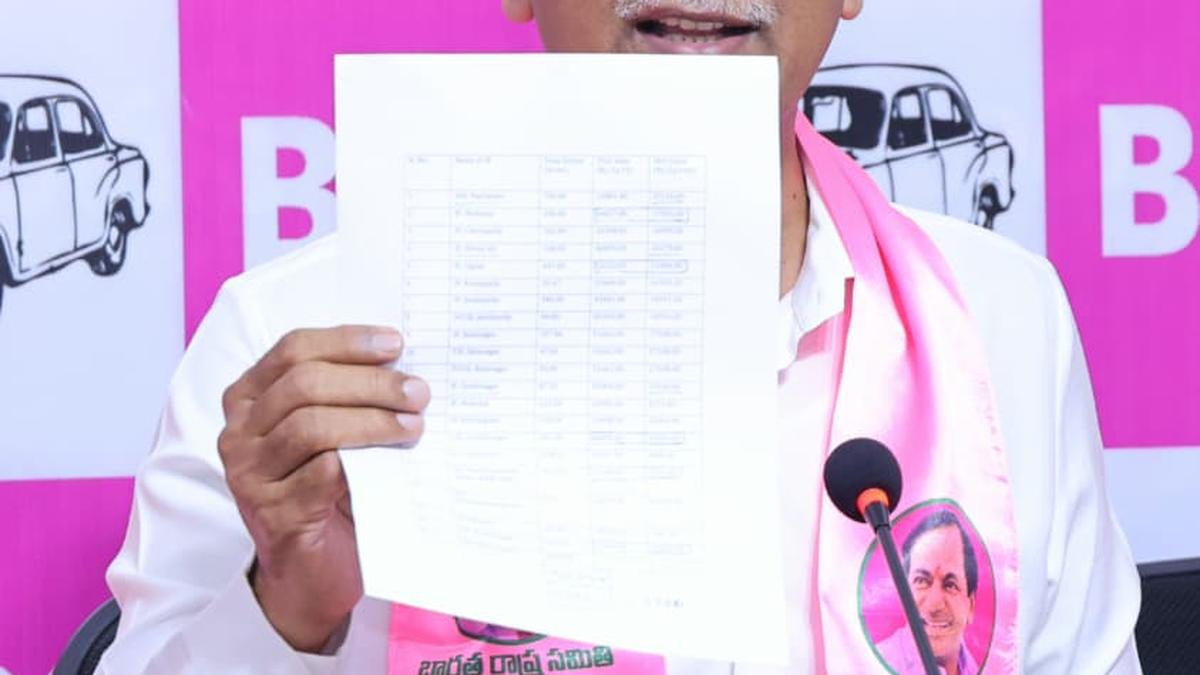
In a recent development in Telangana's political arena, Minister Harish Rao has demanded an Assembly debate regarding the alleged sale of prime lands at extremely low prices. This call for discussion comes amid growing concerns over the state's land management and potential revenue losses.
The issue revolves around the sale of valuable government lands, reportedly sold at rates far below their market value. Rao, the Minister for Finance and Power, has raised questions about the transparency and fairness of these transactions. He has urged the Assembly to scrutinize the process, citing the need to ensure public trust and protect the state's financial interests. The minister's statement has sparked a heated debate, with opposition parties accusing the government of mismanagement and potential corruption. They claim that the sale of these lands, often located in prime urban areas, at throwaway prices, has resulted in a significant loss of revenue for the state.
The controversy has brought to light the complex nature of land administration in Telangana. With a history of land disputes and a rapidly growing urban population, the state's land management system has been under scrutiny. Critics argue that the recent land sales are symptomatic of deeper issues, including inadequate land reforms and a lack of transparency in the allocation and pricing of government properties. As the debate intensifies, the Telangana government faces the challenge of addressing these concerns while ensuring fair and efficient land distribution. The upcoming Assembly session is expected to witness heated discussions, with Harish Rao's demand for a comprehensive review of land sales taking center stage. This political development highlights the delicate balance between land development, revenue generation, and public trust, leaving the government with the task of finding a solution that satisfies all stakeholders.
Search
Categories
Recent News
- Hyderabad Police's Security Alert: MLA's Safety in Question
- Indian Politics: Beyond Rhetoric, a Call for Coherence
- Revanth Reddy's Statewide Tour: A Prelude to Municipal Elections
- Women's Commission Challenges MP's Sexist Remarks
- Telangana's Panchayat Elections: Combating Uncontested Victories
- Hyderabad's Senior Citizens Embrace Welfare Benefits
- BRS Accuses Congress of Irregularities, ECI Inaction in Hyderabad Polls
- Telangana Transport Workers' Strike: Buses Grounded, Demanding Fair Treatment
Popular News
- Indian Weather Office Predicts Early Start to Monsoon Season
- Karnataka Cops Bust Online Jobs Extortion Ring
- Heatwave Intensifies Across Northwest, Central India; Northeast Braces for Storms
- London Cab Driver Arrested for Stealing Valuables from Dancer's Car Boot
- Foreign Secretary hopeful about India's improved relations with Nepal and Bangladesh