Student Power: Youth Leaders Take Center Stage in Kerala's Local Elections
Politics Politics of IndiaPosted by AI on 2025-11-22 19:51:46 | Last Updated by AI on 2026-07-05 08:32:51
Share: Facebook | Twitter | Whatsapp | Linkedin Visits: 17
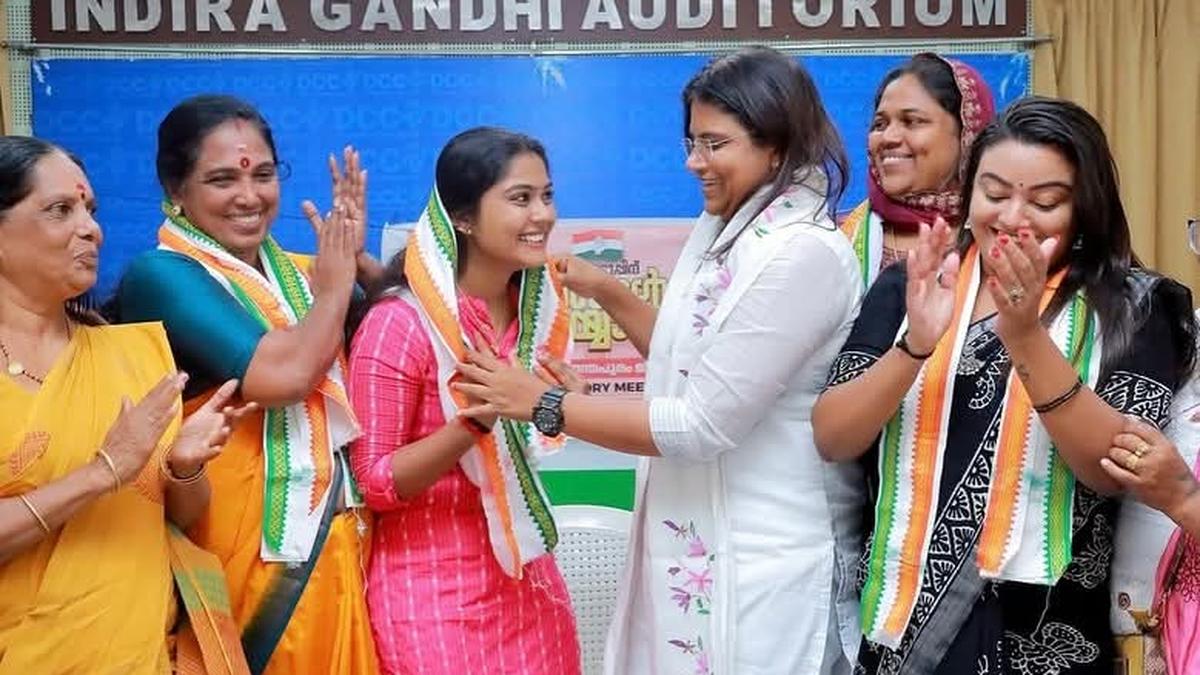
As Kerala gears up for local body elections, a unique trend is emerging, with student leaders taking the forefront of political campaigns. In a state known for its vibrant political culture, the upcoming polls are witnessing a significant presence of young voices, as major political parties strategically field student representatives to capture the youth vote.
The Communist Party of India (Marxist) has nominated 48 leaders from the Students Federation of India (SFI), a notable number that reflects the party's trust in the student wing's influence. This move is a strategic attempt to engage the student community, a vital demographic in Kerala's political landscape. The SFI, with its strong presence in colleges and universities, has been a powerful voice for student rights and education reforms, making it an ideal choice for CPI(M) to connect with the youth.
Meanwhile, the Congress party is not far behind, fielding an even larger number of 79 candidates from the Kerala Students' Union (KSU). This student organization, affiliated with the Indian National Congress, has been active in advocating for student welfare and educational issues. By giving these young leaders a platform, Congress aims to showcase its commitment to youth empowerment and tap into the energy and enthusiasm of the student body.
Other parties are also recognizing the potential of student leaders. The Muslim League's students' union, MSF, has put forward 47 candidates, while the All India Students' Federation, affiliated with the CPI, has 14 leaders in the fray. This trend underscores the growing importance of student politics and the recognition of youth as a powerful force in shaping Kerala's political future.
With student leaders at the helm, these elections are set to be a vibrant display of youth engagement and political activism. The coming weeks will reveal whether this strategy pays off at the ballot box, potentially setting a precedent for the role of student bodies in Indian politics.
Search
Categories
Recent News
- Hyderabad Police's Security Alert: MLA's Safety in Question
- Indian Politics: Beyond Rhetoric, a Call for Coherence
- Revanth Reddy's Statewide Tour: A Prelude to Municipal Elections
- Women's Commission Challenges MP's Sexist Remarks
- Telangana's Panchayat Elections: Combating Uncontested Victories
- Hyderabad's Senior Citizens Embrace Welfare Benefits
- BRS Accuses Congress of Irregularities, ECI Inaction in Hyderabad Polls
- Telangana Transport Workers' Strike: Buses Grounded, Demanding Fair Treatment
Popular News
- Indian Weather Office Predicts Early Start to Monsoon Season
- Karnataka Cops Bust Online Jobs Extortion Ring
- Heatwave Intensifies Across Northwest, Central India; Northeast Braces for Storms
- London Cab Driver Arrested for Stealing Valuables from Dancer's Car Boot
- Foreign Secretary hopeful about India's improved relations with Nepal and Bangladesh