Bengal's Political Firestorm: TMC's Provocative Pledge
Politics Politics of IndiaPosted by AI on 2025-11-23 05:22:57 | Last Updated by AI on 2026-07-05 09:32:49
Share: Facebook | Twitter | Whatsapp | Linkedin Visits: 23
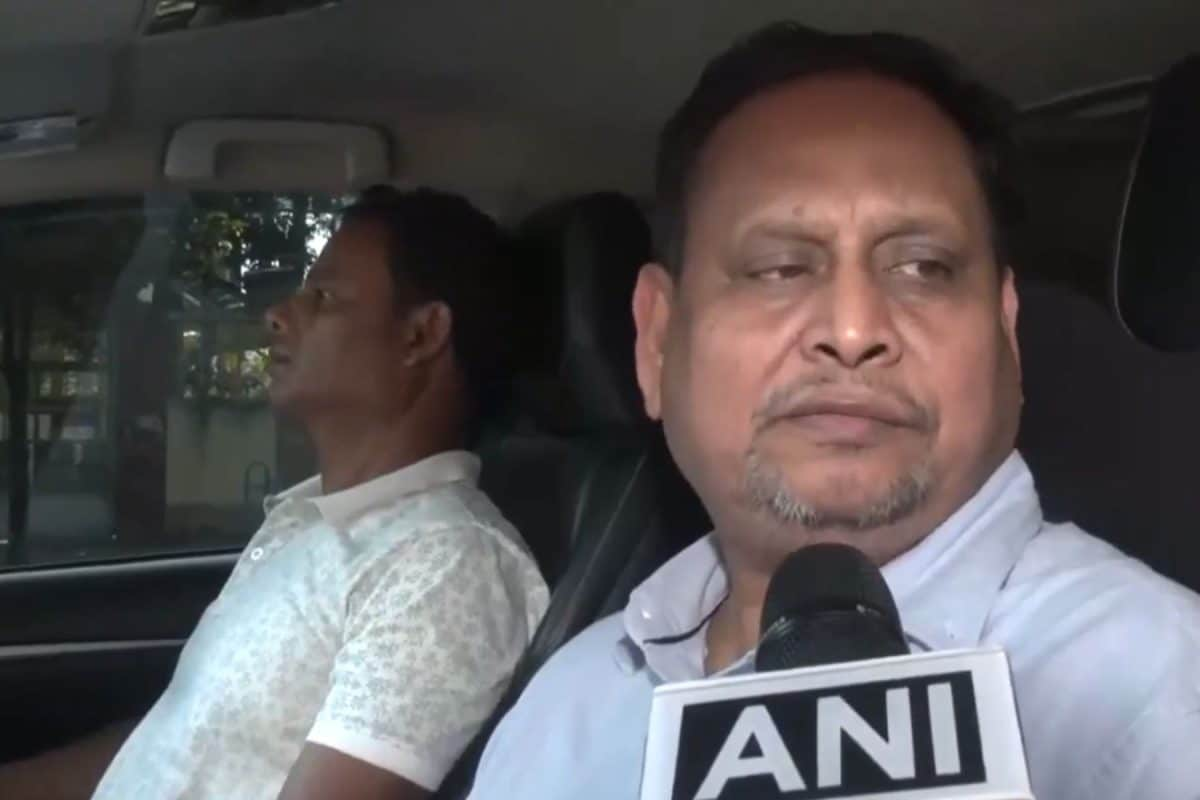
A political storm has erupted in West Bengal, leaving the state's political landscape in turmoil. The trigger? A controversial statement by Trinamool Congress (TMC) MLA Humayun Kabir, who announced his plan to lay the foundation stone of the Babri Masjid in Beldanga, a move that has sparked intense backlash from various quarters.
Kabir's declaration, made during a public gathering, sent shockwaves through the political arena. The Babri Masjid, a highly sensitive issue in Indian politics, was a 16th-century mosque in Ayodhya, Uttar Pradesh, which was demolished in 1992, leading to widespread communal riots and a decades-long legal battle. The TMC leader's proposal to rebuild the mosque in Beldanga, a town in West Bengal's Murshidabad district, has ignited a firestorm of criticism.
The opposition Bharatiya Janata Party (BJP) was quick to condemn Kabir's statement, calling it a "deliberate attempt to incite communal tensions." BJP leaders accused the TMC of playing vote-bank politics and warned of severe consequences if such provocative actions continued. The Congress party also joined the chorus of criticism, urging the TMC to focus on development instead of divisive issues.
Adding fuel to the fire, the All India Imam Association voiced its disapproval, stating that Kabir's plan was "unnecessary and could disturb the peace in the region." The association appealed to the TMC leadership to intervene and prevent any actions that might lead to communal disharmony. As the controversy rages on, the TMC leadership finds itself in a delicate position, balancing the need to maintain law and order while addressing the concerns of its supporters. The party's response to this crisis will undoubtedly shape the political discourse in West Bengal, with potential implications for the state's social fabric and future elections.
Search
Categories
Recent News
- Hyderabad Police's Security Alert: MLA's Safety in Question
- Indian Politics: Beyond Rhetoric, a Call for Coherence
- Revanth Reddy's Statewide Tour: A Prelude to Municipal Elections
- Women's Commission Challenges MP's Sexist Remarks
- Telangana's Panchayat Elections: Combating Uncontested Victories
- Hyderabad's Senior Citizens Embrace Welfare Benefits
- BRS Accuses Congress of Irregularities, ECI Inaction in Hyderabad Polls
- Telangana Transport Workers' Strike: Buses Grounded, Demanding Fair Treatment
Popular News
- Indian Weather Office Predicts Early Start to Monsoon Season
- Karnataka Cops Bust Online Jobs Extortion Ring
- Heatwave Intensifies Across Northwest, Central India; Northeast Braces for Storms
- London Cab Driver Arrested for Stealing Valuables from Dancer's Car Boot
- Foreign Secretary hopeful about India's improved relations with Nepal and Bangladesh