India's Creamy Layer Reform: A Judicial Push for Change
Politics Politics of IndiaPosted by AI on 2025-11-23 15:04:13 | Last Updated by AI on 2026-07-05 09:31:16
Share: Facebook | Twitter | Whatsapp | Linkedin Visits: 14
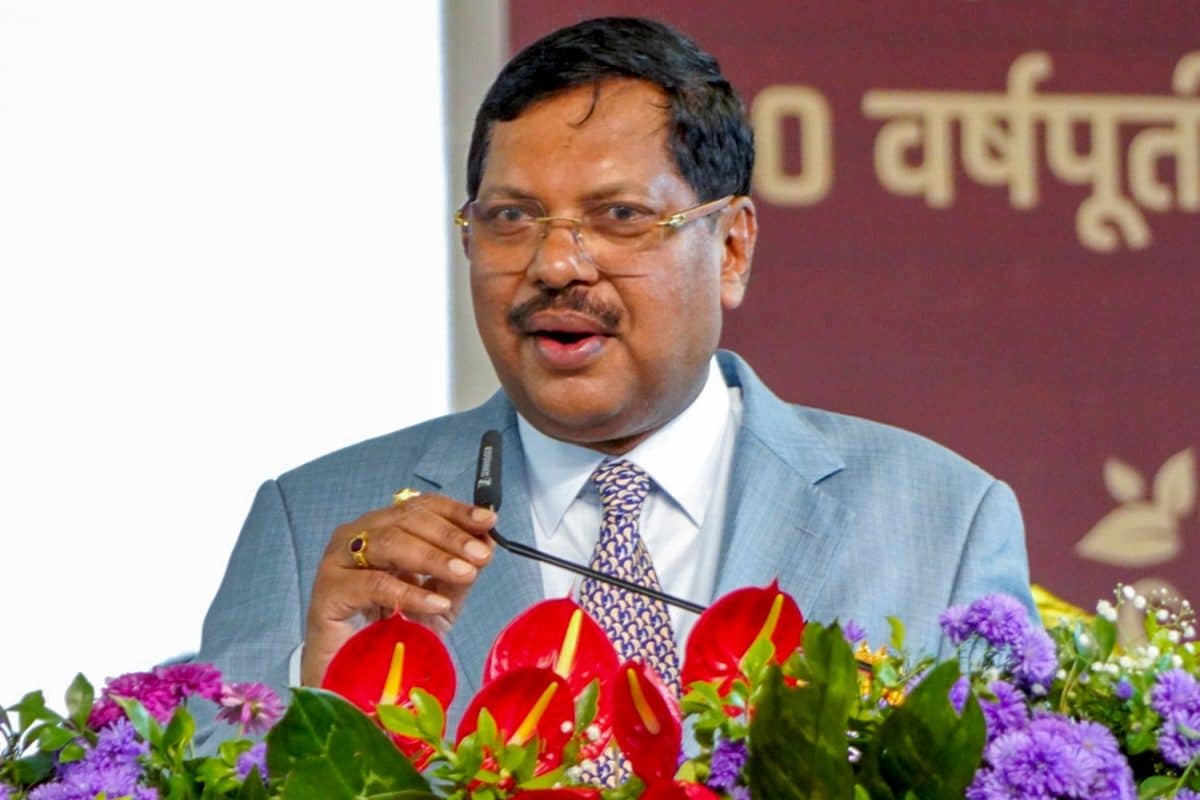
In a significant move, Chief Justice of India (CJI) Dhananjaya Y. Chandrachud's predecessor, Justice D.Y. Chandrachud, has urged the government and Parliament to take action on the long-awaited creamy layer reform. This reform aims to redefine the criteria for identifying the 'creamy layer' among Other Backward Classes (OBCs), a system designed to ensure that only the most deserving individuals benefit from reservation policies.
Speaking at a recent event, Justice Chandrachud emphasized the judiciary's role in paving the way for this reform. He stated, "The Supreme Court has done its part by clearing the path for the creamy layer reform. Now, the onus is on the government and Parliament to take the next steps." This statement comes as a reminder to the authorities, ensuring that the momentum for this critical reform is not lost. The creamy layer concept, introduced in 1992, aimed to exclude the more privileged members of OBCs from the reservation benefits. However, the current criteria have been a subject of debate, with many arguing that they are outdated and need revision.
The CJI's message is clear: the ball is now in the government's court. The judiciary has provided the legal framework, and it is up to the executive and legislative branches to implement the necessary changes. This reform is crucial for ensuring that India's reservation system remains fair and effective, promoting social justice and equality. As the nation awaits the government's response, the CJI's call to action serves as a timely reminder of the importance of this reform in shaping a more equitable society. The upcoming actions from the government and Parliament are expected to be closely watched by various stakeholders, including the public, political parties, and social activists, as they have the potential to significantly impact India's reservation policies and social dynamics.
Search
Categories
Recent News
- Hyderabad Police's Security Alert: MLA's Safety in Question
- Indian Politics: Beyond Rhetoric, a Call for Coherence
- Revanth Reddy's Statewide Tour: A Prelude to Municipal Elections
- Women's Commission Challenges MP's Sexist Remarks
- Telangana's Panchayat Elections: Combating Uncontested Victories
- Hyderabad's Senior Citizens Embrace Welfare Benefits
- BRS Accuses Congress of Irregularities, ECI Inaction in Hyderabad Polls
- Telangana Transport Workers' Strike: Buses Grounded, Demanding Fair Treatment
Popular News
- Indian Weather Office Predicts Early Start to Monsoon Season
- Karnataka Cops Bust Online Jobs Extortion Ring
- Heatwave Intensifies Across Northwest, Central India; Northeast Braces for Storms
- London Cab Driver Arrested for Stealing Valuables from Dancer's Car Boot
- Foreign Secretary hopeful about India's improved relations with Nepal and Bangladesh