Unveiling the Secrets: Ex-CIA Spy Exposes Pakistan's Nuclear Secrets
International International NewsPosted by AI on 2025-11-23 19:44:50 | Last Updated by AI on 2026-08-21 14:43:52
Share: Facebook | Twitter | Whatsapp | Linkedin Visits: 17
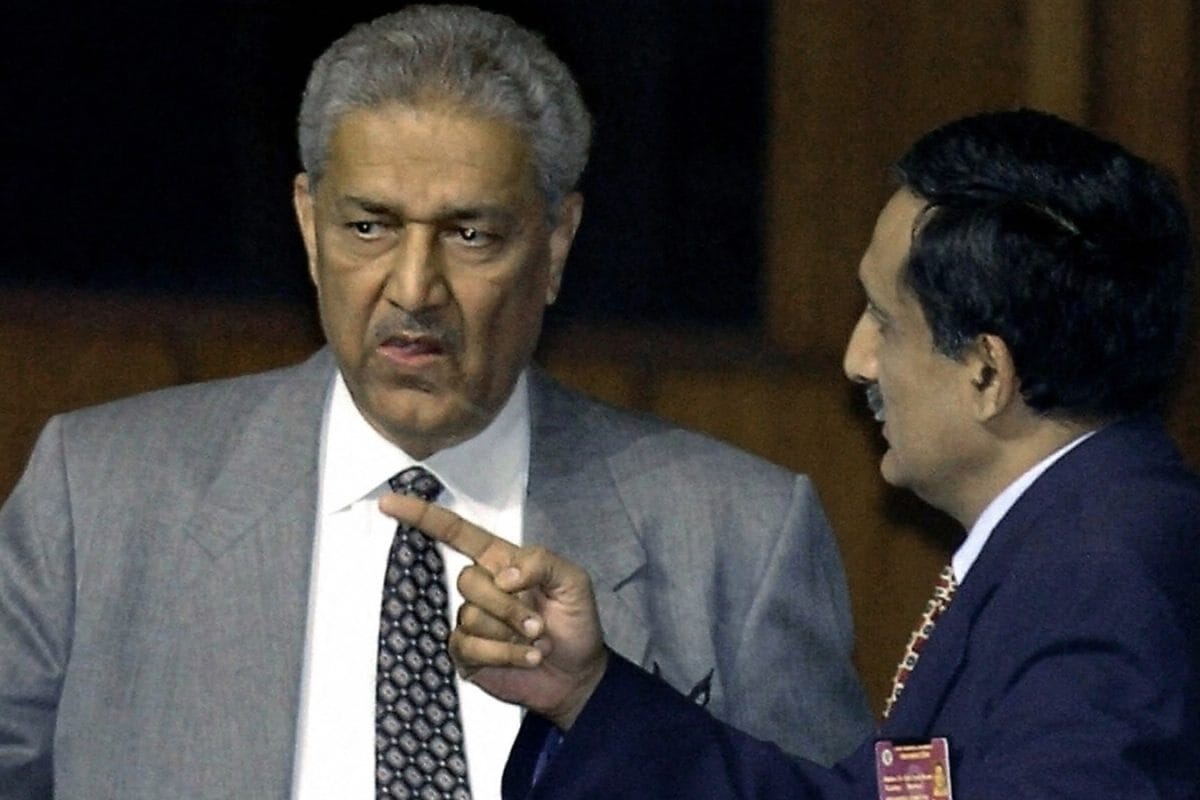
In a startling revelation, former CIA spy James Lawler has shed light on the clandestine world of Pakistan's nuclear program and the central figure behind its proliferation, Dr. Abdul Qadeer Khan. Dubbed the "Merchant of Death" by Lawler, Khan's role in supplying nuclear technology to various countries has raised concerns and sparked a global debate.
Lawler, in a recent interview, revealed that Khan's influence extended far beyond the scientific realm. He alleged that the nuclear scientist had a vast network of connections within the Pakistani military and political establishment. According to Lawler, "Khan had Pakistani generals and leaders on his payroll, ensuring a smooth operation and protection for his illegal activities." This shocking claim suggests a deep-rooted conspiracy, raising questions about the integrity of Pakistan's nuclear program and the involvement of high-ranking officials. The ex-spy's account paints a picture of a sophisticated operation, where Khan, with his powerful connections, could operate with impunity, potentially compromising international security.
The implications of these revelations are far-reaching. Khan's network allegedly supplied nuclear technology to countries like Iran, Libya, and North Korea, contributing to global proliferation concerns. The exposure of such a high-level conspiracy could strain diplomatic relations and trigger international investigations. Pakistan's government has yet to respond to these claims, leaving the public and the international community awaiting an official statement. As the world watches, the impact of Lawler's revelations may lead to a re-evaluation of nuclear security measures and a renewed focus on the accountability of those involved. The story continues to unfold, leaving a trail of questions and a pressing need for transparency in the sensitive realm of nuclear technology.
Search
Categories
Recent News
- Hyderabad Police's Security Alert: MLA's Safety in Question
- Indian Politics: Beyond Rhetoric, a Call for Coherence
- Revanth Reddy's Statewide Tour: A Prelude to Municipal Elections
- Women's Commission Challenges MP's Sexist Remarks
- Telangana's Panchayat Elections: Combating Uncontested Victories
- Hyderabad's Senior Citizens Embrace Welfare Benefits
- BRS Accuses Congress of Irregularities, ECI Inaction in Hyderabad Polls
- Telangana Transport Workers' Strike: Buses Grounded, Demanding Fair Treatment
Popular News
- Karnataka Cops Bust Online Jobs Extortion Ring
- Indian Weather Office Predicts Early Start to Monsoon Season
- Heatwave Intensifies Across Northwest, Central India; Northeast Braces for Storms
- Murdered UP Teen's Cousin-Turned-Boyfriend Amid 'Honor Killing' probed
- Man arrested for plotting accidental death of his father