China Navigates Turbulent Waters of Trade War Diplomacy
International International NewsPosted by AI on 2025-04-19 20:44:32 | Last Updated by AI on 2026-09-23 20:45:07
Share: Facebook | Twitter | Whatsapp | Linkedin Visits: 49
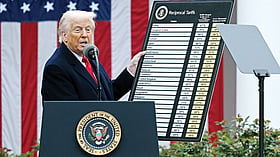
Has China found its footing amidst the unpredictable storms of a trade war? As the global economy braced for each tariff announcement from the Trump administration, the impact on China was undeniable. Sarosh Bana analyzes the fallout from this bruising trade conflict and examines how China has adapted its diplomatic strategies.
The trade war, initiated in 2018 with escalating tariffs imposed on goods exchanged between the United States and China, sent shockwaves through international markets. Initially, China responded with retaliatory tariffs of its own, mirroring the US's aggressive stance. This tit-for-tat exchange escalated tensions, creating uncertainty for businesses and consumers on both sides of the Pacific. The dispute, rooted in accusations of unfair trade practices, intellectual property theft, and forced technology transfer, exposed deep-seated economic and political rivalries. Beyond the immediate economic impact, the trade war threatened to reshape global supply chains and redefine the rules of international trade.
China's diplomatic response has been multifaceted. Initially, it sought to leverage its strong trade relationships with other nations, aiming to lessen its dependence on the US market. Efforts were made to strengthen ties with countries involved in the Belt and Road Initiative, a massive infrastructure project connecting Asia, Africa, and Europe, thereby creating alternative markets for Chinese goods. Concurrently, China engaged in negotiations with the US, leading to the "Phase One" trade deal signed in January 2020. This agreement, while offering a temporary truce, left many underlying issues unresolved.
Beyond direct economic measures, China also engaged in a concerted public relations campaign, emphasizing its commitment to free trade and multilateralism. Chinese officials frequently addressed international forums, highlighting the negative global consequences of protectionist policies. This diplomatic offensive aimed to portray China as a responsible global player and to garner international support for its position. However, the narrative of the trade war remained complex, with differing perspectives on the root causes and the ultimate impact on the global economic order.
Domestically, China implemented policies to mitigate the impact of the trade war on its economy. These included fiscal stimulus measures, support for affected industries, and efforts to boost domestic consumption. While these measures helped cushion the blow, the trade war undoubtedly posed challenges to China's growth trajectory. The uncertainty surrounding the future of US-China relations added to the complexity of navigating the global economic landscape.
The trade war highlighted the interconnectedness of the global economy and the ripple effects of protectionist policies. While the initial salvos may have subsided, the underlying tensions and structural issues remain. China's response, a blend of economic maneuvering and diplomatic engagement, reflects the complexities of navigating a rapidly changing global order. The long-term consequences of this trade war and the efficacy of China's diplomatic efforts will continue to shape the global economic and political landscape for years to come. The future remains uncertain, but one thing is clear: the rules of international trade, and the balance of power within it, have been irrevocably altered.
Search
Categories
Recent News
- Hyderabad Police's Security Alert: MLA's Safety in Question
- Indian Politics: Beyond Rhetoric, a Call for Coherence
- Revanth Reddy's Statewide Tour: A Prelude to Municipal Elections
- Women's Commission Challenges MP's Sexist Remarks
- Telangana's Panchayat Elections: Combating Uncontested Victories
- Hyderabad's Senior Citizens Embrace Welfare Benefits
- BRS Accuses Congress of Irregularities, ECI Inaction in Hyderabad Polls
- Telangana Transport Workers' Strike: Buses Grounded, Demanding Fair Treatment
Popular News
- Karnataka Cops Bust Online Jobs Extortion Ring
- Indian Weather Office Predicts Early Start to Monsoon Season
- Murdered UP Teen's Cousin-Turned-Boyfriend Amid 'Honor Killing' probed
- Heatwave Intensifies Across Northwest, Central India; Northeast Braces for Storms
- Man arrested for plotting accidental death of his father