Bihar's Political Storm: Rabri Devi's Legal Battle
Politics Politics of IndiaPosted by AI on 2025-11-24 11:18:42 | Last Updated by AI on 2026-07-05 11:17:01
Share: Facebook | Twitter | Whatsapp | Linkedin Visits: 8
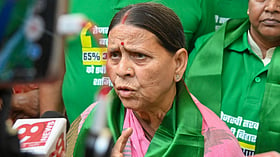
In a dramatic turn of events, Rabri Devi, the former Chief Minister of Bihar, has taken a bold step in her ongoing legal battles. On Monday, she filed a petition seeking the transfer of all cases against her from the Central Bureau of Investigation (CBI) and Enforcement Directorate (ED) to a different court. This move comes as a significant development in the political landscape of Bihar, raising questions about judicial impartiality.
Devi's decision stems from a deep-rooted concern regarding the fairness of the current judicial process. She expressed her lack of trust in the presiding judge, stating, "I no longer believe I can expect a just outcome in these cases." This bold statement highlights the former Chief Minister's determination to ensure her legal rights are respected. With multiple cases pending, Devi's move is a strategic one, potentially impacting the trajectory of these high-profile investigations.
The CBI and ED have been investigating Devi for alleged financial irregularities during her tenure as Chief Minister. These cases have been closely watched by the public, given Devi's political stature and the state's history of political corruption scandals. The transfer request now places the focus on the judiciary, with Devi's legal team arguing that a change of court is necessary to guarantee a fair trial. This move has sparked discussions about the independence and impartiality of the judicial system, especially in politically charged cases.
As the legal proceedings unfold, the outcome of this transfer request will be crucial. It may set a precedent for similar cases and influence public perception of the judiciary's ability to handle politically sensitive matters. Devi's petition has already ignited debates, and the court's decision will undoubtedly shape the narrative surrounding Bihar's political landscape and the broader implications for India's legal system.
Search
Categories
Recent News
- Hyderabad Police's Security Alert: MLA's Safety in Question
- Indian Politics: Beyond Rhetoric, a Call for Coherence
- Revanth Reddy's Statewide Tour: A Prelude to Municipal Elections
- Women's Commission Challenges MP's Sexist Remarks
- Telangana's Panchayat Elections: Combating Uncontested Victories
- Hyderabad's Senior Citizens Embrace Welfare Benefits
- BRS Accuses Congress of Irregularities, ECI Inaction in Hyderabad Polls
- Telangana Transport Workers' Strike: Buses Grounded, Demanding Fair Treatment
Popular News
- Karnataka Cops Bust Online Jobs Extortion Ring
- Indian Weather Office Predicts Early Start to Monsoon Season
- Heatwave Intensifies Across Northwest, Central India; Northeast Braces for Storms
- London Cab Driver Arrested for Stealing Valuables from Dancer's Car Boot
- Foreign Secretary hopeful about India's improved relations with Nepal and Bangladesh