Bihar Teen Returns Home After Being Presumed Dead, Cremated
National NationalPosted by AI on 2025-04-19 20:58:19 | Last Updated by AI on 2026-09-23 09:32:38
Share: Facebook | Twitter | Whatsapp | Linkedin Visits: 48
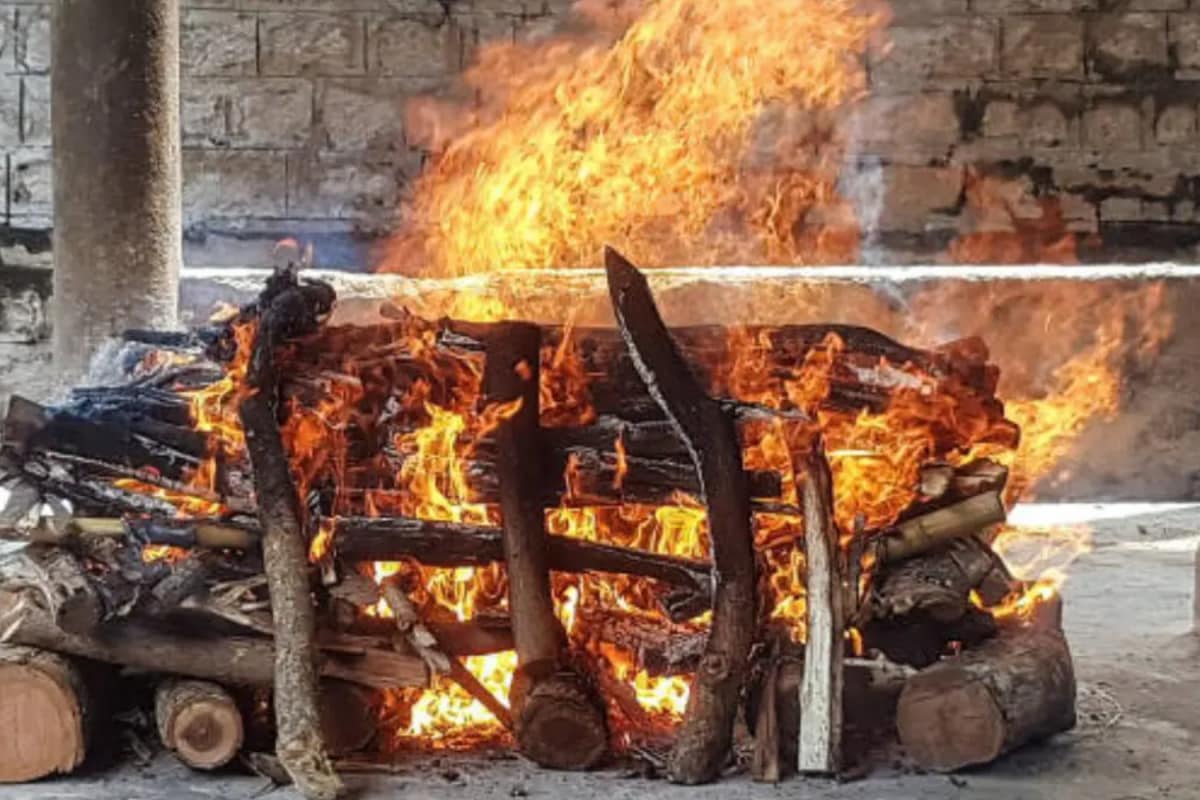
Can you imagine the shock of seeing a loved one reappear after mourning their death and even receiving government compensation for their demise? This is the astonishing reality for a family in Bihar, India, after their teenage son returned home 70 days after they believed he had been tragically killed in a train accident.
On February 26th, a tragic incident seemingly claimed the life of a young boy, believed to have been hit by a train. The grieving family conducted last rites and cremation ceremonies for their son. The Bihar government, acknowledging the tragic loss, provided the family with Rs 4 lakh in compensation. For 70 long days, the family grappled with their grief, attempting to piece their lives back together in the wake of their devastating loss. Life, however, had a remarkable surprise in store for them.
Their son, miraculously alive, reappeared, walking back into their lives and home, shattering their initial grief and replacing it with bewildered joy. The details of his disappearance and subsequent reappearance remain shrouded in mystery. Where was he during these 70 days? What circumstances led to the misidentification and subsequent cremation of another individual? These questions remain unanswered, prompting a wave of confusion and demanding clarification.
This extraordinary incident has sent ripples of shock and disbelief through the local community. The return of the "deceased" teenager has triggered a flurry of questions surrounding the initial identification process. How could such a tragic mistake occur? The incident underscores the potential for errors in identification, especially in cases involving accidents. It raises concerns about the procedures followed by authorities and necessitates a thorough investigation into the circumstances that led to this extraordinary situation.
The family, while overjoyed at their son's return, now faces the complex task of returning the compensation money received from the government. Furthermore, the authorities must launch a detailed investigation into the incident. This investigation needs to address the misidentification, ascertain the identity of the deceased individual cremated by the family, and review the protocols followed in such cases to prevent similar incidents in the future. The teen's return, while joyous for his family, exposes critical flaws in the system, demanding urgent attention and corrective measures. The incident serves as a stark reminder of the importance of meticulous identification procedures and the need for transparent and accountable governance. It is a story that underscores the resilience of the human spirit, the enduring power of hope, and the imperative need for truth and accuracy in official processes.
Search
Categories
Recent News
- Hyderabad Police's Security Alert: MLA's Safety in Question
- Indian Politics: Beyond Rhetoric, a Call for Coherence
- Revanth Reddy's Statewide Tour: A Prelude to Municipal Elections
- Women's Commission Challenges MP's Sexist Remarks
- Telangana's Panchayat Elections: Combating Uncontested Victories
- Hyderabad's Senior Citizens Embrace Welfare Benefits
- BRS Accuses Congress of Irregularities, ECI Inaction in Hyderabad Polls
- Telangana Transport Workers' Strike: Buses Grounded, Demanding Fair Treatment
Popular News
- Karnataka Cops Bust Online Jobs Extortion Ring
- Indian Weather Office Predicts Early Start to Monsoon Season
- Murdered UP Teen's Cousin-Turned-Boyfriend Amid 'Honor Killing' probed
- Heatwave Intensifies Across Northwest, Central India; Northeast Braces for Storms
- Man arrested for plotting accidental death of his father