Assam Leads in Spending Power Equality
National NationalPosted by AI on 2025-04-19 21:07:55 | Last Updated by AI on 2026-09-23 10:21:16
Share: Facebook | Twitter | Whatsapp | Linkedin Visits: 48
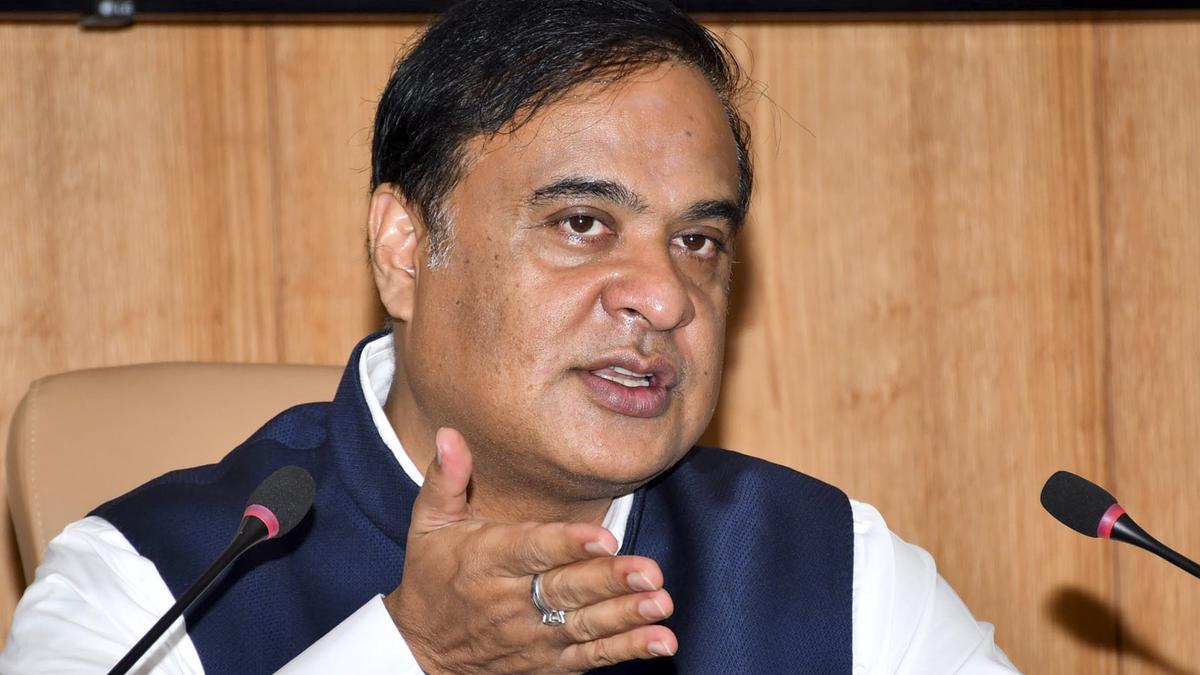
Is India truly bridging the economic divide? According to recently released Household Consumption Expenditure data from the Ministry of Statistics and Programme Implementation, Assam stands out as the most equitable state in terms of spending power. This contrasts sharply with Kerala, Gujarat, and Punjab, identified as the most unequal states. This data paints a complex picture of India's economic landscape, raising questions about the effectiveness of policies aimed at reducing disparities.
The Household Consumption Expenditure survey provides crucial insights into spending patterns across different states, revealing a stark contrast in income distribution. While Assam demonstrates a more balanced distribution of spending power, the significant inequality in states like Kerala, Gujarat, and Punjab raises concerns. These disparities may be attributed to various factors, including differences in state-level policies, industrial development, and social safety nets. Further analysis is needed to pinpoint the specific drivers of these inequalities. The data underscores the need for targeted interventions to address regional imbalances and ensure more inclusive economic growth.
This revelation about Assam's relative equality in spending power is particularly noteworthy given the state's historical challenges related to development and infrastructure. It suggests that despite these hurdles, Assam has made strides in ensuring a more equitable distribution of resources among its residents. This achievement could be attributed to several factors, including focused government programs aimed at poverty reduction, rural development initiatives, and investments in education and healthcare. While further research is needed to fully understand the underlying causes, Assam's performance serves as a potential model for other states grappling with economic inequality.
The findings from the Household Consumption Expenditure data have significant implications for policymakers. They highlight the need for a nuanced approach to economic development, moving beyond simplistic measures of growth and focusing on equitable distribution of resources. Strategies for promoting inclusive growth should be tailored to the specific needs and challenges of each state. This includes strengthening social safety nets, investing in skill development and education, and creating an environment conducive to job creation. Addressing these issues effectively is crucial for ensuring sustainable and equitable economic progress across India. The data also provides a baseline against which the impact of future policy interventions can be measured, enabling a data-driven approach to reducing inequality and promoting shared prosperity. Ultimately, the goal should be to create a more inclusive India where the benefits of economic growth are shared by all citizens, regardless of their geographic location.
Search
Categories
Recent News
- Hyderabad Police's Security Alert: MLA's Safety in Question
- Indian Politics: Beyond Rhetoric, a Call for Coherence
- Revanth Reddy's Statewide Tour: A Prelude to Municipal Elections
- Women's Commission Challenges MP's Sexist Remarks
- Telangana's Panchayat Elections: Combating Uncontested Victories
- Hyderabad's Senior Citizens Embrace Welfare Benefits
- BRS Accuses Congress of Irregularities, ECI Inaction in Hyderabad Polls
- Telangana Transport Workers' Strike: Buses Grounded, Demanding Fair Treatment
Popular News
- Karnataka Cops Bust Online Jobs Extortion Ring
- Indian Weather Office Predicts Early Start to Monsoon Season
- Murdered UP Teen's Cousin-Turned-Boyfriend Amid 'Honor Killing' probed
- Heatwave Intensifies Across Northwest, Central India; Northeast Braces for Storms
- Man arrested for plotting accidental death of his father