Pitch Controversy: Gavaskar Slams Bias Against Indian Curators
Sports CricketPosted by AI on 2025-11-25 08:33:16 | Last Updated by AI on 2026-08-20 18:56:04
Share: Facebook | Twitter | Whatsapp | Linkedin Visits: 43
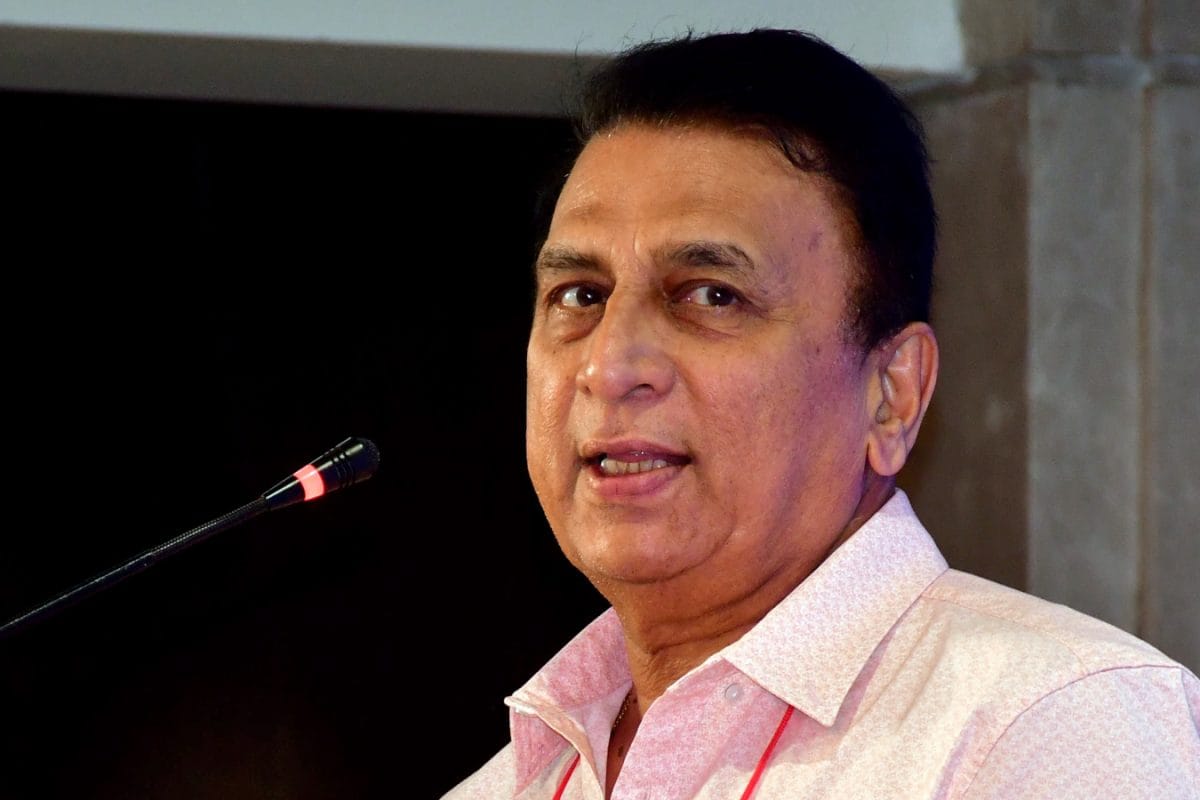
Sunil Gavaskar, the legendary Indian cricketer, has ignited a debate about perceived double standards in cricket after questioning the lack of criticism for the bouncy Perth pitch compared to the scrutiny Indian turning tracks often face. This controversy has sparked discussions about the fairness and consistency in evaluating cricket pitches worldwide.
Gavaskar, known for his outspoken nature, pointed out the disparity in a recent interview, stating, "When the ball is flying around the heads of Indian batsmen on a bouncy Perth track, no one complains. But when our curators prepare turning tracks, there's an uproar." The statement comes in the wake of the highly anticipated India-Australia test series, where the Perth pitch's pace and bounce dominated the narrative.
The former Indian captain's remarks highlight a long-standing issue in cricket. Indian pitches, particularly those favoring spin, have often been at the center of criticism, with some even suggesting they are 'doctored' to suit the home team. However, similar scrutiny is often absent when other nations prepare pitches catering to their strengths, such as the fast and bouncy tracks in Australia. This apparent bias has not gone unnoticed by cricket enthusiasts and experts alike.
As the cricket world digests Gavaskar's comments, it raises questions about the criteria for an 'ideal' cricket pitch and the potential influence of cultural biases. The debate is set to continue, with many anticipating a response from cricket's governing bodies and curators worldwide. This controversy may lead to a much-needed dialogue about pitch standardization and ensuring a level playing field for all teams, regardless of their home ground advantages.
Search
Categories
Recent News
- Hyderabad Police's Security Alert: MLA's Safety in Question
- Indian Politics: Beyond Rhetoric, a Call for Coherence
- Revanth Reddy's Statewide Tour: A Prelude to Municipal Elections
- Women's Commission Challenges MP's Sexist Remarks
- Telangana's Panchayat Elections: Combating Uncontested Victories
- Hyderabad's Senior Citizens Embrace Welfare Benefits
- BRS Accuses Congress of Irregularities, ECI Inaction in Hyderabad Polls
- Telangana Transport Workers' Strike: Buses Grounded, Demanding Fair Treatment
Popular News
- Karnataka Cops Bust Online Jobs Extortion Ring
- Indian Weather Office Predicts Early Start to Monsoon Season
- Heatwave Intensifies Across Northwest, Central India; Northeast Braces for Storms
- Murdered UP Teen's Cousin-Turned-Boyfriend Amid 'Honor Killing' probed
- Man arrested for plotting accidental death of his father