Indian Cricket Team's Stop-Clock Drama: A Costly Delay
Sports CricketPosted by AI on 2025-11-25 12:19:32 | Last Updated by AI on 2026-08-20 18:22:03
Share: Facebook | Twitter | Whatsapp | Linkedin Visits: 18
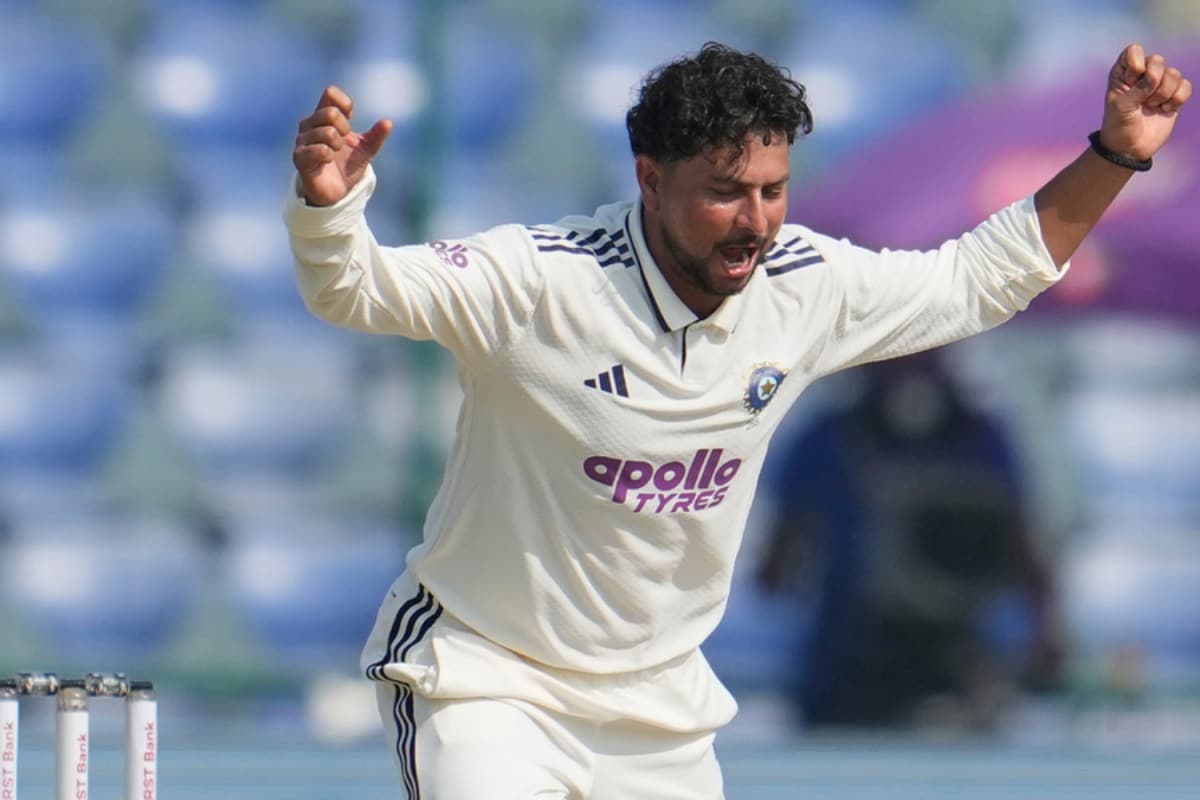
The Indian cricket team's recent match witnessed a heated moment as wicketkeeper Rishabh Pant's frustration boiled over during a tense situation. With the team facing a crucial phase in the game, Pant's outburst at teammate Kuldeep Yadav for his slow response under the stop-clock rule has sparked discussions.
The incident occurred when India was chasing a challenging target, and every second counted. As Kuldeep took his time to get into position, Pant's impatience grew. "Baar baar nahi bolunga, jaldi karo!" (I won't keep repeating, hurry up!) he shouted, his voice carrying across the field. This public display of frustration from Pant, known for his calm demeanor, surprised many viewers and spectators.
Former Indian cricket team director Ravi Shastri also weighed in on the incident, criticizing Kuldeep's lack of urgency. "There's no room for laziness in this format. Every second is valuable, and the stop-clock rule is there for a reason. The team's momentum can be affected by such delays," Shastri said in a post-match interview. This incident highlights the pressure and intensity that players face during high-stakes matches.
The stop-clock rule, a recent addition to the game's regulations, aims to improve the pace of play. However, it has also led to moments like this, where players' reactions are under the spotlight. With the team's performance in focus, such incidents can have a significant impact on public perception and the players' mindset. As the team moves forward, they will need to balance their on-field strategies with the added pressure of time management, ensuring that every second counts in their pursuit of victory.
Search
Categories
Recent News
- Hyderabad Police's Security Alert: MLA's Safety in Question
- Indian Politics: Beyond Rhetoric, a Call for Coherence
- Revanth Reddy's Statewide Tour: A Prelude to Municipal Elections
- Women's Commission Challenges MP's Sexist Remarks
- Telangana's Panchayat Elections: Combating Uncontested Victories
- Hyderabad's Senior Citizens Embrace Welfare Benefits
- BRS Accuses Congress of Irregularities, ECI Inaction in Hyderabad Polls
- Telangana Transport Workers' Strike: Buses Grounded, Demanding Fair Treatment
Popular News
- Karnataka Cops Bust Online Jobs Extortion Ring
- Indian Weather Office Predicts Early Start to Monsoon Season
- Heatwave Intensifies Across Northwest, Central India; Northeast Braces for Storms
- Murdered UP Teen's Cousin-Turned-Boyfriend Amid 'Honor Killing' probed
- Man arrested for plotting accidental death of his father