Ethiopian Eruption's Ash Cloud: Global Impact and Travel Chaos
Politics Politics of IndiaPosted by AI on 2025-11-25 15:03:45 | Last Updated by AI on 2026-07-05 15:17:26
Share: Facebook | Twitter | Whatsapp | Linkedin Visits: 17
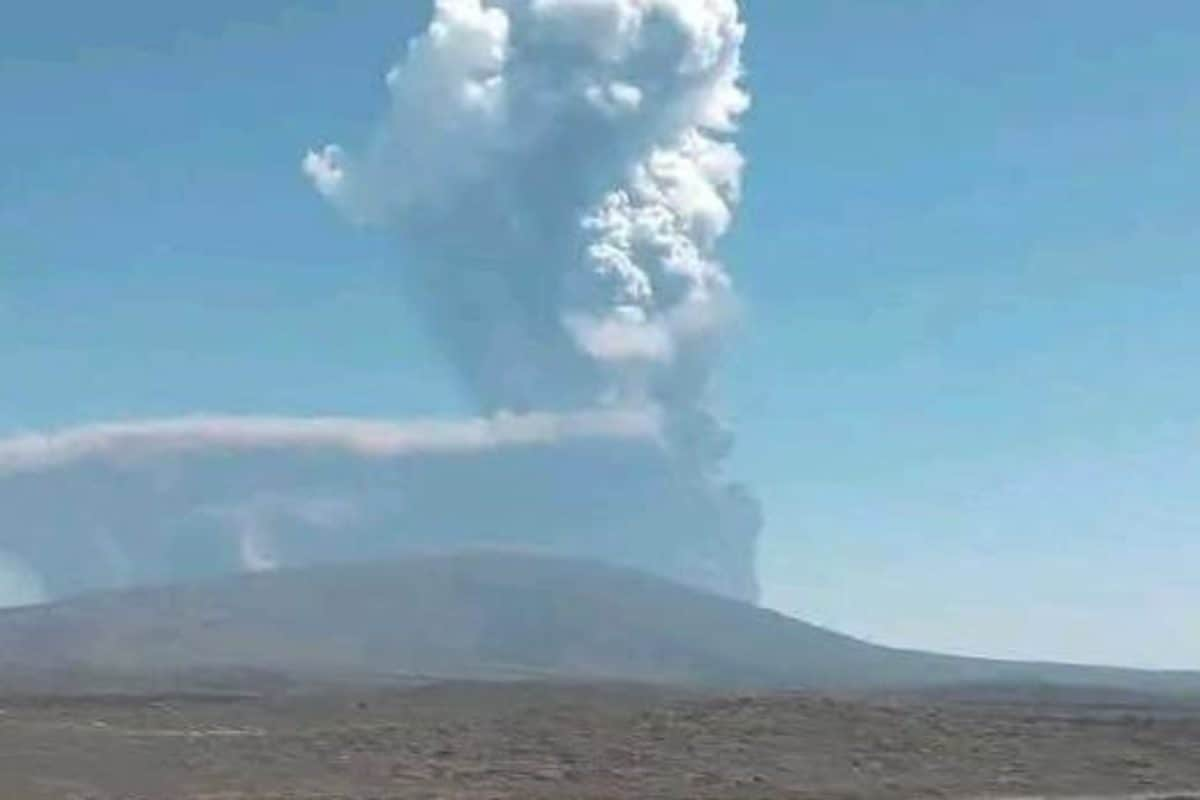
A massive volcanic eruption in Ethiopia has sent shockwaves across the globe, with its ash cloud causing widespread disruption. The powerful explosion of Hayli Gubbi, a remote volcano in the Afar region, has captured the world's attention as its consequences reach far beyond the country's borders.
The ash cloud, a towering plume of volcanic debris, has already caused significant air travel chaos. Several flights have been canceled, affecting thousands of passengers across multiple continents. The cloud's trajectory is a cause for concern, as it drifts towards major air traffic hubs like Delhi, potentially impacting international travel routes. This disruption comes at a crucial time for the aviation industry, which is still recovering from the pandemic's setbacks.
As the ash spreads, it paints a surreal picture in the sky, turning the sun into a hazy, dimmed orb and casting an eerie shadow over vast regions. This natural phenomenon, while visually striking, poses a serious threat to aircraft safety, as volcanic ash can cause significant damage to engines and reduce visibility.
Indian meteorologists predict that the ash cloud will clear Indian skies by early evening, providing some relief to the region's aviation sector. However, the cloud's journey continues, with its next destination being China. The potential impact on East Asian air traffic is a growing concern, prompting authorities to issue advisories and prepare for possible disruptions. This event serves as a stark reminder of nature's power and its ability to influence global systems, even from a remote corner of the world. With the world watching, the aftermath of this eruption will undoubtedly shape travel plans and strategies in the coming days.
Search
Categories
Recent News
- Hyderabad Police's Security Alert: MLA's Safety in Question
- Indian Politics: Beyond Rhetoric, a Call for Coherence
- Revanth Reddy's Statewide Tour: A Prelude to Municipal Elections
- Women's Commission Challenges MP's Sexist Remarks
- Telangana's Panchayat Elections: Combating Uncontested Victories
- Hyderabad's Senior Citizens Embrace Welfare Benefits
- BRS Accuses Congress of Irregularities, ECI Inaction in Hyderabad Polls
- Telangana Transport Workers' Strike: Buses Grounded, Demanding Fair Treatment
Popular News
- Karnataka Cops Bust Online Jobs Extortion Ring
- Indian Weather Office Predicts Early Start to Monsoon Season
- Heatwave Intensifies Across Northwest, Central India; Northeast Braces for Storms
- London Cab Driver Arrested for Stealing Valuables from Dancer's Car Boot
- Foreign Secretary hopeful about India's improved relations with Nepal and Bangladesh