India to Tackle E-Waste with District-Level Processing Plants
National NationalPosted by AI on 2025-04-19 22:12:29 | Last Updated by AI on 2026-09-23 11:51:32
Share: Facebook | Twitter | Whatsapp | Linkedin Visits: 33
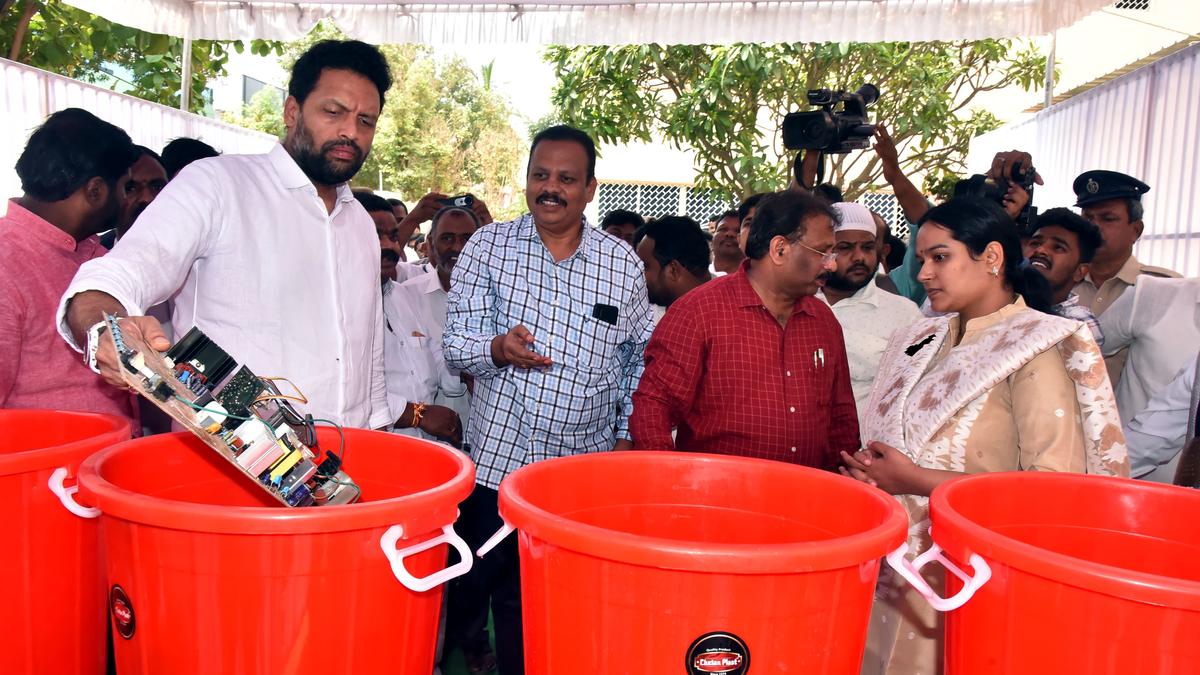
Mountains of discarded electronics, a global challenge, are set to be confronted head-on in India. According to recent announcements by Indian officials, including Minister of State for Electronics and Information Technology Rajeev Chandrasekhar, e-waste processing plants are slated for construction in every district across the country. This ambitious initiative aims to formalize and streamline the handling of electronic waste, a sector currently plagued by informal practices and environmental concerns. This move is a significant step in India's commitment to sustainable development and responsible waste management.
India, one of the world's fastest-growing electronics markets, generates millions of tons of e-waste annually. Discarded mobile phones, computers, televisions, and other electronic devices contribute to this growing problem. Currently, much of this e-waste is handled by the informal sector, often leading to unsafe disposal methods that pose significant risks to human health and the environment. Burning e-waste to extract valuable metals, for instance, releases toxic fumes that can contaminate soil, water, and air. These practices not only harm the environment but also expose workers, many of whom are women and children, to hazardous conditions.
The establishment of district-level processing plants is designed to address this critical issue. These facilities will be equipped to handle e-waste in an environmentally sound manner, ensuring the safe extraction of valuable materials while minimizing pollution. The initiative also promotes job creation within the formal sector, providing safer and more regulated employment opportunities. By bringing e-waste processing under formal channels, the government aims to improve the traceability of e-waste, reducing illegal dumping and promoting responsible recycling. The government also plans to engage with stakeholders across the electronics value chain, including manufacturers, consumers, and recyclers, to promote awareness and encourage responsible e-waste management practices.
This undertaking aligns with India's broader environmental goals and international commitments. The government's emphasis on a circular economy, where resources are reused and recycled, underscores the long-term vision of this project. The plan not only addresses the immediate challenge of e-waste management but also contributes to the larger goal of sustainable development. By investing in this infrastructure, India positions itself as a leader in responsible e-waste management, demonstrating a commitment to both environmental protection and economic growth.
The success of this ambitious endeavor hinges on effective implementation and sustained collaboration among various stakeholders. The government's commitment to engaging with all parties involved, from manufacturers to consumers, is crucial for achieving long-term sustainability. This initiative marks a significant stride towards a cleaner, greener future for India, demonstrating a proactive approach to tackling a global challenge. The hope is that these efforts will not only mitigate the harmful effects of e-waste but also create a model for other nations to emulate.
Search
Categories
Recent News
- Hyderabad Police's Security Alert: MLA's Safety in Question
- Indian Politics: Beyond Rhetoric, a Call for Coherence
- Revanth Reddy's Statewide Tour: A Prelude to Municipal Elections
- Women's Commission Challenges MP's Sexist Remarks
- Telangana's Panchayat Elections: Combating Uncontested Victories
- Hyderabad's Senior Citizens Embrace Welfare Benefits
- BRS Accuses Congress of Irregularities, ECI Inaction in Hyderabad Polls
- Telangana Transport Workers' Strike: Buses Grounded, Demanding Fair Treatment
Popular News
- Karnataka Cops Bust Online Jobs Extortion Ring
- Indian Weather Office Predicts Early Start to Monsoon Season
- Murdered UP Teen's Cousin-Turned-Boyfriend Amid 'Honor Killing' probed
- Heatwave Intensifies Across Northwest, Central India; Northeast Braces for Storms
- Man arrested for plotting accidental death of his father