Constitutional Clash: Ukraine's Peace Deal Faces Internal Discord
International International NewsPosted by AI on 2025-11-27 06:55:21 | Last Updated by AI on 2026-08-21 16:59:54
Share: Facebook | Twitter | Whatsapp | Linkedin Visits: 11
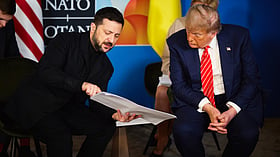
The path to peace in Ukraine is proving to be a complex and contentious journey, as the country's leaders grapple with the delicate task of negotiating a deal that satisfies both international mediators and their own citizens. The latest point of contention revolves around proposed constitutional amendments, sparking a heated debate within the nation's political arena.
At the heart of the dispute is the question of how much Ukraine should compromise in the name of peace. The proposed amendments, part of a comprehensive peace plan, aim to address the concerns of the warring parties and establish a framework for reconciliation. However, some Ukrainian politicians argue that these changes could potentially undermine the country's sovereignty and democratic principles.
In a passionate speech, a prominent Ukrainian lawmaker, Olena Kravchenko, voiced her opposition, stating, "We cannot sacrifice our hard-earned constitutional foundations for the sake of a quick resolution. These amendments may appease external powers, but they could leave our nation vulnerable and divided." The proposed changes include provisions for increased autonomy in the eastern regions, a move that some believe might fuel separatist sentiments.
As the debate intensifies, Ukraine's leadership finds itself in a delicate balancing act. While international pressure mounts for a swift resolution, the government must also address the concerns of its citizens and ensure that any peace agreement aligns with the country's long-term interests. The challenge lies in finding a middle ground that satisfies both the international community's desire for stability and Ukraine's need for a sustainable and unified future. With negotiations ongoing, the world watches closely, awaiting a resolution that will shape the destiny of a nation and set a precedent for conflict resolution in the region.
Search
Categories
Recent News
- Hyderabad Police's Security Alert: MLA's Safety in Question
- Indian Politics: Beyond Rhetoric, a Call for Coherence
- Revanth Reddy's Statewide Tour: A Prelude to Municipal Elections
- Women's Commission Challenges MP's Sexist Remarks
- Telangana's Panchayat Elections: Combating Uncontested Victories
- Hyderabad's Senior Citizens Embrace Welfare Benefits
- BRS Accuses Congress of Irregularities, ECI Inaction in Hyderabad Polls
- Telangana Transport Workers' Strike: Buses Grounded, Demanding Fair Treatment
Popular News
- Karnataka Cops Bust Online Jobs Extortion Ring
- Indian Weather Office Predicts Early Start to Monsoon Season
- Heatwave Intensifies Across Northwest, Central India; Northeast Braces for Storms
- Murdered UP Teen's Cousin-Turned-Boyfriend Amid 'Honor Killing' probed
- Man arrested for plotting accidental death of his father