Cricket Legend Defends Gambhir Amidst Criticism
Sports CricketPosted by AI on 2025-11-27 09:57:17 | Last Updated by AI on 2026-08-20 16:51:03
Share: Facebook | Twitter | Whatsapp | Linkedin Visits: 10
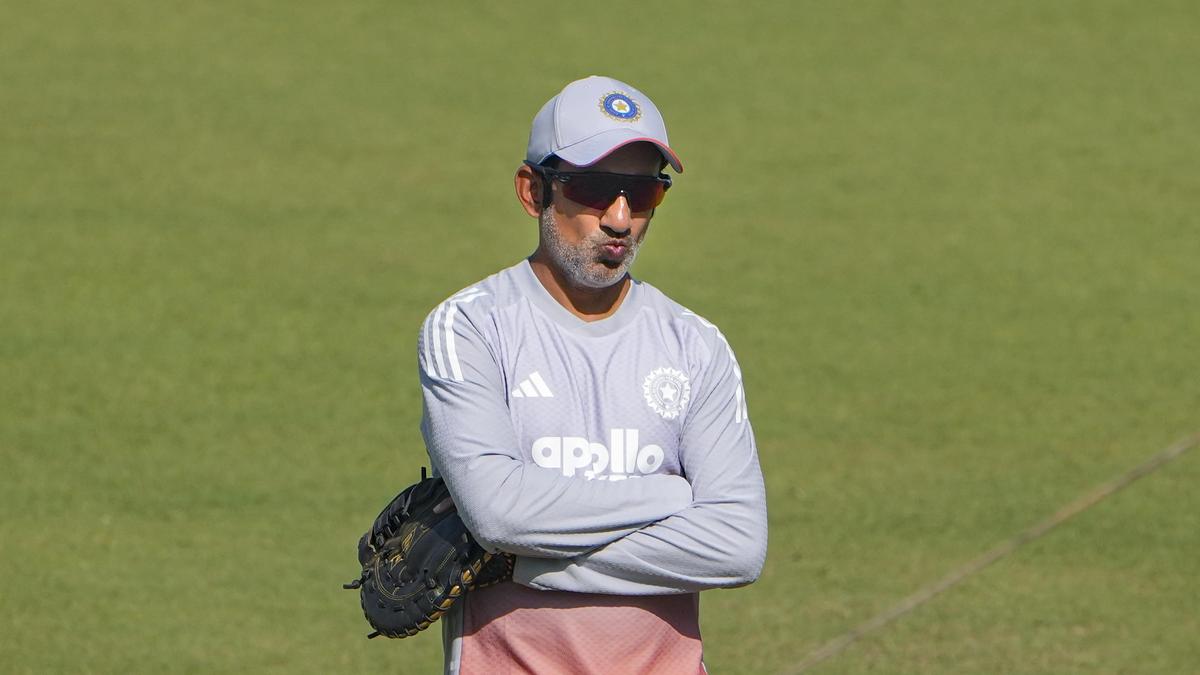
The recent 408-run defeat against South Africa in the second Test has sparked intense scrutiny of Gautam Gambhir's coaching abilities, with many questioning his strategies and leadership. However, Indian cricket legend Sunil Gavaskar has come forward to offer a different perspective, shedding light on the complex dynamics of coaching and player performance.
Gavaskar, a former Indian cricket captain and renowned batsman, provided a nuanced defense of Gambhir's coaching methods. He emphasized that while a coach plays a crucial role in preparing the team, it is ultimately the players who must execute on the field. "The coach can only do so much," Gavaskar stated, adding that "it is the players who need to step up and deliver when it matters." This perspective shifts the focus from solely blaming the coach to acknowledging the shared responsibility between coaches and players.
The criticism directed at Gambhir highlights a common challenge in sports: the fine line between strategic guidance and individual performance. As Gavaskar's comments suggest, coaches provide the framework, but players must possess the skill and mental fortitude to perform under pressure. This dynamic is particularly evident in cricket, where individual performances can significantly impact the team's success.
As the dust settles on India's Test series loss, the cricket community is left with a thought-provoking debate. Should coaches bear the brunt of the criticism when teams underperform, or is it time to reevaluate the expectations placed on players to execute strategies flawlessly? This ongoing discussion will undoubtedly shape the future of coaching and player development in cricket, ensuring a more comprehensive understanding of the intricate relationship between coaches and athletes.
Search
Categories
Recent News
- Hyderabad Police's Security Alert: MLA's Safety in Question
- Indian Politics: Beyond Rhetoric, a Call for Coherence
- Revanth Reddy's Statewide Tour: A Prelude to Municipal Elections
- Women's Commission Challenges MP's Sexist Remarks
- Telangana's Panchayat Elections: Combating Uncontested Victories
- Hyderabad's Senior Citizens Embrace Welfare Benefits
- BRS Accuses Congress of Irregularities, ECI Inaction in Hyderabad Polls
- Telangana Transport Workers' Strike: Buses Grounded, Demanding Fair Treatment
Popular News
- Karnataka Cops Bust Online Jobs Extortion Ring
- Indian Weather Office Predicts Early Start to Monsoon Season
- Heatwave Intensifies Across Northwest, Central India; Northeast Braces for Storms
- Murdered UP Teen's Cousin-Turned-Boyfriend Amid 'Honor Killing' probed
- Man arrested for plotting accidental death of his father