Guinea-Bissau Coup: Military Seizes Power, Ousting President Embalo
International International NewsPosted by AI on 2025-11-27 20:06:36 | Last Updated by AI on 2026-08-21 17:36:46
Share: Facebook | Twitter | Whatsapp | Linkedin Visits: 14
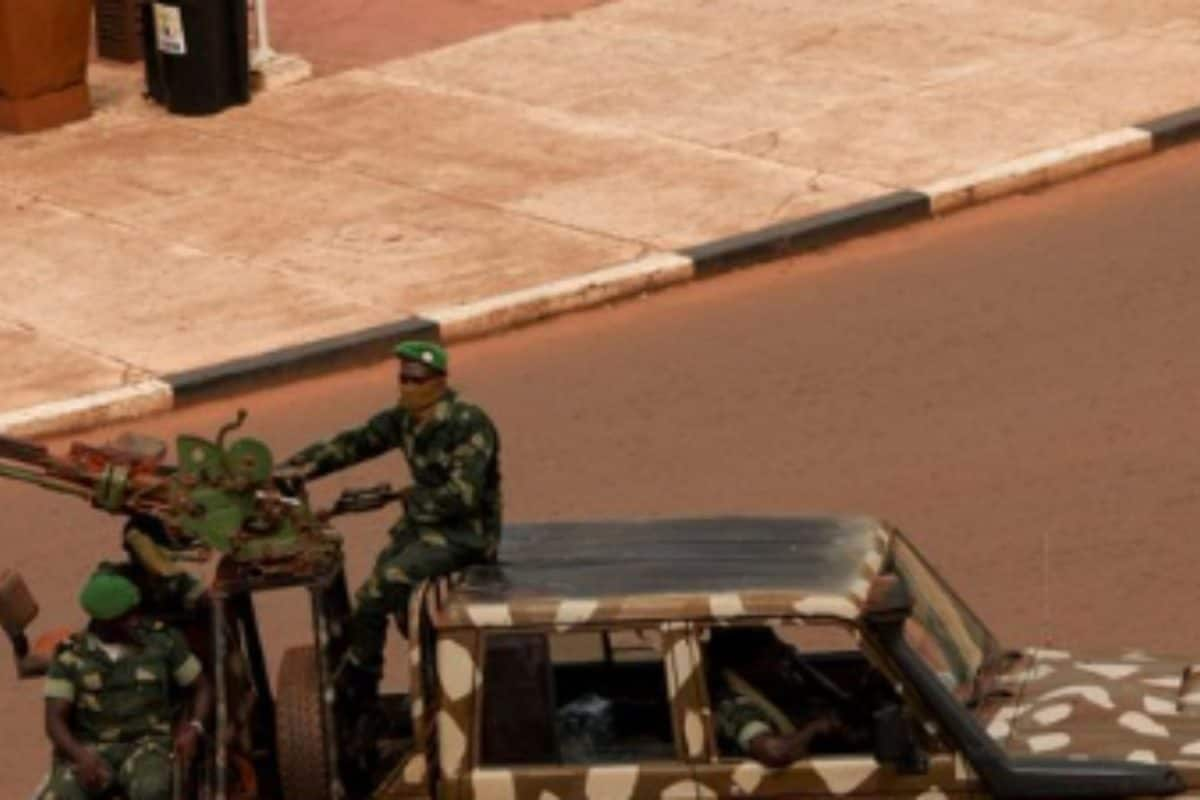
In a dramatic turn of events, the small West African nation of Guinea-Bissau has witnessed yet another military coup, marking its second such incident in just over a decade. On February 1, 2023, Major-General Horta Inta-a, the country's army chief, seized power and declared himself the transitional president, ousting President Umaro Sissoco Embalo and detaining him along with several government officials. This sudden power grab has plunged the country into a state of uncertainty and raised concerns about the region's political stability.
The coup was announced by Inta-a in a statement broadcast on the state television channel, TGB. He cited the government's failure to resolve the country's issues and the need for a "return to constitutional order" as reasons for the military's intervention. The general assured that the armed forces would work towards a "true and effective internal reconciliation" and promised to respect all international agreements. This move comes amidst ongoing political tensions and allegations of corruption within the government.
Guinea-Bissau has a history of political instability, with the previous coup in 2012 also resulting in the ousting of a sitting president. The country has struggled to establish a stable democracy, and this latest incident underscores the challenges it faces. The international community has been quick to respond, with the African Union and the Economic Community of West African States (ECOWAS) both condemning the coup and calling for the immediate release of President Embalo and the restoration of constitutional order.
As the situation unfolds, the world watches with concern, hoping for a swift and peaceful resolution to this latest power struggle in Guinea-Bissau. The country's future hangs in the balance as it grapples with the consequences of yet another military takeover.
Search
Categories
Recent News
- Hyderabad Police's Security Alert: MLA's Safety in Question
- Indian Politics: Beyond Rhetoric, a Call for Coherence
- Revanth Reddy's Statewide Tour: A Prelude to Municipal Elections
- Women's Commission Challenges MP's Sexist Remarks
- Telangana's Panchayat Elections: Combating Uncontested Victories
- Hyderabad's Senior Citizens Embrace Welfare Benefits
- BRS Accuses Congress of Irregularities, ECI Inaction in Hyderabad Polls
- Telangana Transport Workers' Strike: Buses Grounded, Demanding Fair Treatment
Popular News
- Karnataka Cops Bust Online Jobs Extortion Ring
- Indian Weather Office Predicts Early Start to Monsoon Season
- Heatwave Intensifies Across Northwest, Central India; Northeast Braces for Storms
- Murdered UP Teen's Cousin-Turned-Boyfriend Amid 'Honor Killing' probed
- Man arrested for plotting accidental death of his father