Law Commission's Proposal: Unlocking the Key to Simultaneous Elections
Politics Politics of IndiaPosted by AI on 2025-11-28 07:06:25 | Last Updated by AI on 2026-07-05 21:08:43
Share: Facebook | Twitter | Whatsapp | Linkedin Visits: 17
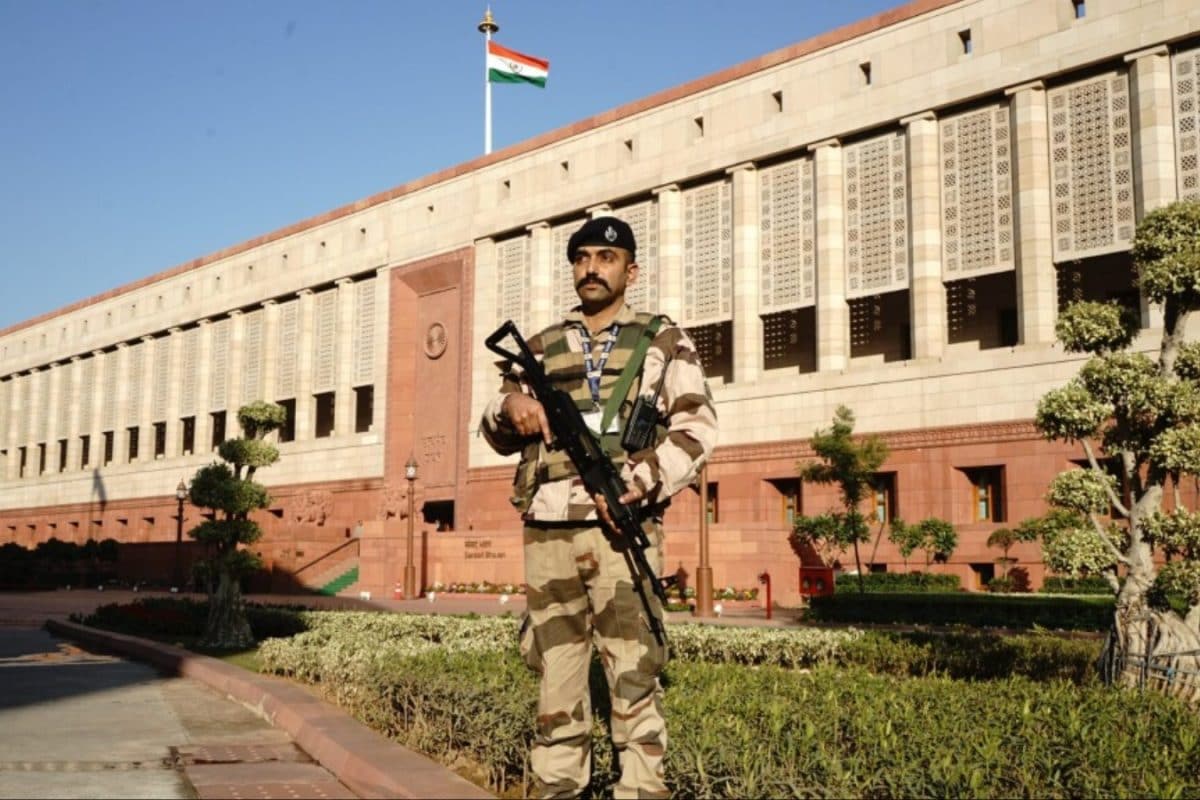
In a significant development, the 23rd Law Commission has presented a compelling case for constitutional amendments to facilitate the highly anticipated 'One Nation, One Election' initiative. The proposal, submitted to the Joint Parliamentary Committee, suggests that Parliament can legally modify the five-year term of legislative bodies, paving the way for simultaneous elections across the country. This move could potentially revolutionize India's electoral landscape, addressing the logistical challenges and financial burdens associated with frequent elections.
The Commission's recommendation comes as a response to the growing demand for electoral reforms, aiming to streamline the democratic process and reduce the administrative strain on the country's resources. By amending the Constitution to allow for a flexible legislative term, the Commission believes that the logistical nightmare of conducting multiple elections in a short span can be avoided. This would mean that the terms of state assemblies and the Lok Sabha could be synchronized, leading to simultaneous elections, a concept that has been widely debated and advocated for in recent years.
This proposal has far-reaching implications for the country's political landscape. If implemented, it could significantly reduce the financial burden on the state, as conducting elections in India is a costly affair, with the Election Commission of India bearing the brunt of the expenses. Moreover, it may also alleviate the strain on administrative resources and security forces, which are currently deployed for extended periods during election seasons. The Law Commission's suggestion provides a legal framework for this ambitious electoral reform, leaving the decision in the hands of the Parliament to take the necessary steps to bring this idea to fruition.
As the Joint Parliamentary Committee deliberates on this proposal, the nation awaits a decision that could shape the future of Indian elections, potentially leading to a more efficient and cost-effective democratic process. The coming months will be crucial in determining whether India embraces this transformative change, marking a new era in its electoral history.
Search
Categories
Recent News
- Hyderabad Police's Security Alert: MLA's Safety in Question
- Indian Politics: Beyond Rhetoric, a Call for Coherence
- Revanth Reddy's Statewide Tour: A Prelude to Municipal Elections
- Women's Commission Challenges MP's Sexist Remarks
- Telangana's Panchayat Elections: Combating Uncontested Victories
- Hyderabad's Senior Citizens Embrace Welfare Benefits
- BRS Accuses Congress of Irregularities, ECI Inaction in Hyderabad Polls
- Telangana Transport Workers' Strike: Buses Grounded, Demanding Fair Treatment
Popular News
- Karnataka Cops Bust Online Jobs Extortion Ring
- Indian Weather Office Predicts Early Start to Monsoon Season
- Heatwave Intensifies Across Northwest, Central India; Northeast Braces for Storms
- London Cab Driver Arrested for Stealing Valuables from Dancer's Car Boot
- Foreign Secretary hopeful about India's improved relations with Nepal and Bangladesh