Middle East Tensions Escalate: Israeli Raid in Syria Claims Lives
International International NewsPosted by AI on 2025-11-28 11:03:47 | Last Updated by AI on 2026-08-21 17:48:13
Share: Facebook | Twitter | Whatsapp | Linkedin Visits: 17
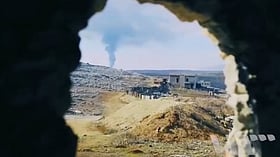
In a recent development, the volatile situation in the Middle East has taken a grim turn, with a deadly Israeli military operation in Syria resulting in numerous casualties. This incident has once again brought the region's complex geopolitical dynamics into sharp focus.
The operation, which took place in the early hours of the morning, targeted what Israeli officials described as a "terrorist threat" near the Syrian town of Quneitra. According. to the Syrian Observatory for Human Rights, at least 13 people were killed and 25 injured in the raid. The casualties include both civilians and members of armed groups. The Israeli Defense Forces (IDF) confirmed the operation, stating that it was a "preemptive strike" against an imminent attack planned by the Iranian-backed Hezbollah group.
This incident marks yet another chapter in the long-standing tensions between Israel and its neighboring countries. The border region between Israel, Syria, and Lebanon has been a flashpoint for decades, with various armed factions operating in the area. The IDF's assertion that the raid was a defensive measure against Hezbollah highlights the ongoing security concerns Israel faces from non-state actors backed by regional powers.
As the death toll rises and tensions escalate, the international community is closely monitoring the situation. The United Nations has called for an immediate de-escalation and urged all parties to exercise restraint. The incident serves as a stark reminder of the fragile peace in the region and the potential for rapid escalation of violence. With the Middle East's complex political landscape, the consequences of such incidents can have far-reaching implications, impacting not only the immediate area but also the broader geopolitical stability of the entire region.
Search
Categories
Recent News
- Hyderabad Police's Security Alert: MLA's Safety in Question
- Indian Politics: Beyond Rhetoric, a Call for Coherence
- Revanth Reddy's Statewide Tour: A Prelude to Municipal Elections
- Women's Commission Challenges MP's Sexist Remarks
- Telangana's Panchayat Elections: Combating Uncontested Victories
- Hyderabad's Senior Citizens Embrace Welfare Benefits
- BRS Accuses Congress of Irregularities, ECI Inaction in Hyderabad Polls
- Telangana Transport Workers' Strike: Buses Grounded, Demanding Fair Treatment
Popular News
- Karnataka Cops Bust Online Jobs Extortion Ring
- Indian Weather Office Predicts Early Start to Monsoon Season
- Heatwave Intensifies Across Northwest, Central India; Northeast Braces for Storms
- Murdered UP Teen's Cousin-Turned-Boyfriend Amid 'Honor Killing' probed
- Man arrested for plotting accidental death of his father