South Africa's Dominance Exposes India's Test Woes
Sports CricketPosted by AI on 2025-11-29 06:10:16 | Last Updated by AI on 2026-08-20 15:31:23
Share: Facebook | Twitter | Whatsapp | Linkedin Visits: 15
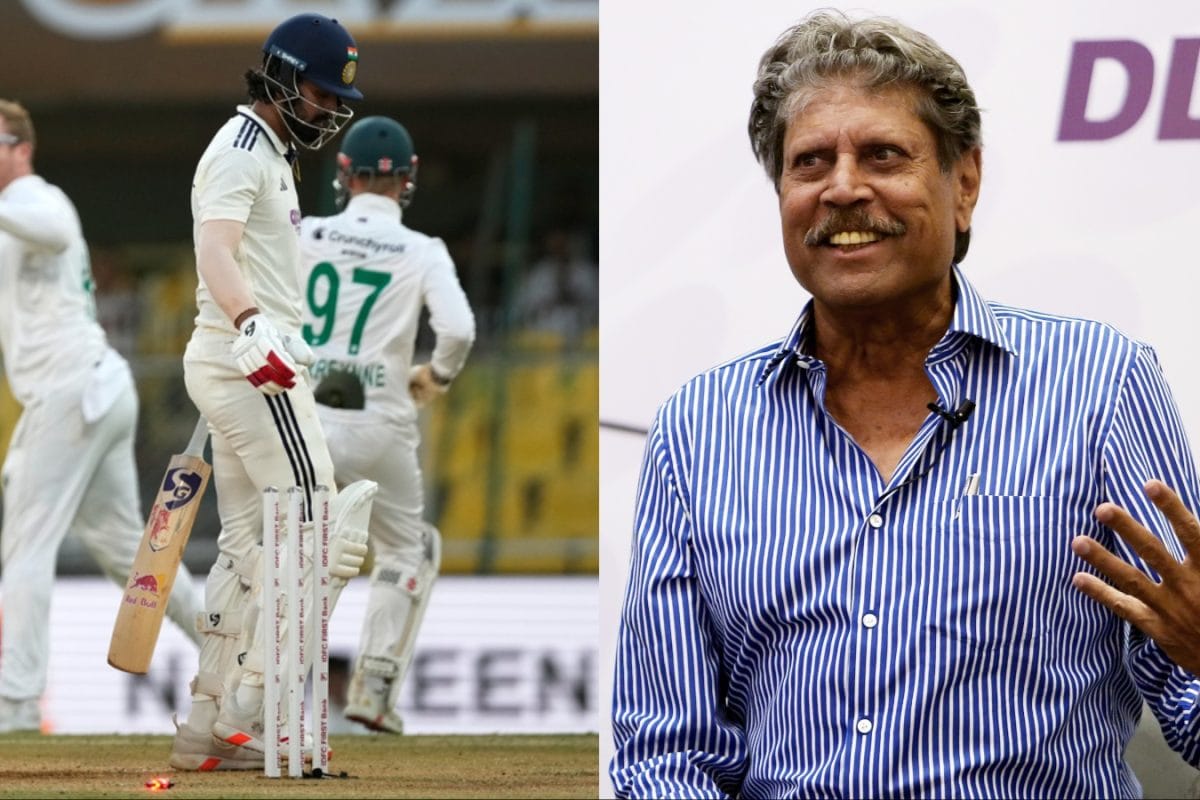
The mighty roar of the crowd at the M. Chinnaswamy Stadium in Bangalore turned into a deafening silence as the Indian cricket team succumbed to yet another defeat, this time at the hands of the Proteas. The highly anticipated home series, which was expected to showcase India's Test prowess, ended in a disappointing 2-0 whitewash. This result raises serious concerns about the future of India's longest format ambitions.
Former Indian captain Kapil Dev's scathing criticism reflects the mood of many fans across the nation. "We are more occupied with T20s and ODIs," he said, lamenting the team's performance. This statement hits home as India, once known for its formidable Test side, now struggles to find its footing in the longest format. The recent series exposed India's vulnerability against a well-rounded South African team, who outclassed them in all departments.
The statistics paint a worrying picture. India's batting lineup, often touted as one of the best, managed just one half-century across both innings in the second Test, a stark contrast to South Africa's consistent performance. The bowling unit, despite having world-class spinners and pacers, failed to make significant inroads into the opposition's batting. This series serves as a wake-up call, highlighting the need for a strategic overhaul in India's Test cricket approach.
As the dust settles on this series, the Indian cricket board and team management have some soul-searching to do. The challenge is to strike a balance between the glitz of shorter formats and the grit required for Test success. With the next Test series against a formidable opponent on the horizon, the pressure is on to address these concerns and regain the dominance that once defined Indian Test cricket.
Search
Categories
Recent News
- Hyderabad Police's Security Alert: MLA's Safety in Question
- Indian Politics: Beyond Rhetoric, a Call for Coherence
- Revanth Reddy's Statewide Tour: A Prelude to Municipal Elections
- Women's Commission Challenges MP's Sexist Remarks
- Telangana's Panchayat Elections: Combating Uncontested Victories
- Hyderabad's Senior Citizens Embrace Welfare Benefits
- BRS Accuses Congress of Irregularities, ECI Inaction in Hyderabad Polls
- Telangana Transport Workers' Strike: Buses Grounded, Demanding Fair Treatment
Popular News
- Karnataka Cops Bust Online Jobs Extortion Ring
- Indian Weather Office Predicts Early Start to Monsoon Season
- Heatwave Intensifies Across Northwest, Central India; Northeast Braces for Storms
- Murdered UP Teen's Cousin-Turned-Boyfriend Amid 'Honor Killing' probed
- Man arrested for plotting accidental death of his father