Border Standoff: India's Strategic Response to China's Military Posture
International International NewsPosted by AI on 2025-11-30 08:33:15 | Last Updated by AI on 2026-08-21 18:40:22
Share: Facebook | Twitter | Whatsapp | Linkedin Visits: 20
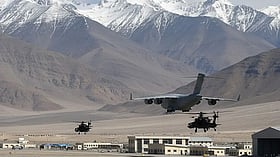
In a strategic move to counter China's growing military presence along the disputed border, India has deployed a significant number of troops in a challenging geographical area, marking a new phase in the ongoing border standoff. With approximately 120,000 Indian soldiers now stationed across Ladakh, Sikkim, and Arunachal Pradesh, the country is sending a clear message of deterrence and preparedness.
This massive troop deployment is a direct response to China's recent military buildup in the region. The Chinese have been steadily increasing their forces along the Line of Actual Control (LAC), particularly in areas where the border remains undefined or disputed. India's decision to mirror this move is a bold statement, indicating a shift from its traditionally defensive posture. The challenging terrain, characterized by high-altitude mountains and harsh weather conditions, makes this deployment even more significant. Indian troops are now positioned in some of the world's most inhospitable environments, showcasing the country's determination to safeguard its territorial integrity.
The move has not gone unnoticed by international observers, who view it as a significant escalation in the ongoing border dispute. Experts suggest that India's strategy is not merely about matching troop numbers but also about gaining a tactical advantage in the region. By occupying strategic locations, India can potentially disrupt Chinese supply lines and communication networks, making it harder for them to maintain a prolonged military presence. As tensions continue to rise, the world watches with bated breath, anticipating the next move in this high-stakes game of territorial chess. The implications of this standoff extend beyond the immediate border dispute, impacting regional stability and global geopolitical dynamics.
Search
Categories
Recent News
- Hyderabad Police's Security Alert: MLA's Safety in Question
- Indian Politics: Beyond Rhetoric, a Call for Coherence
- Revanth Reddy's Statewide Tour: A Prelude to Municipal Elections
- Women's Commission Challenges MP's Sexist Remarks
- Telangana's Panchayat Elections: Combating Uncontested Victories
- Hyderabad's Senior Citizens Embrace Welfare Benefits
- BRS Accuses Congress of Irregularities, ECI Inaction in Hyderabad Polls
- Telangana Transport Workers' Strike: Buses Grounded, Demanding Fair Treatment
Popular News
- Karnataka Cops Bust Online Jobs Extortion Ring
- Indian Weather Office Predicts Early Start to Monsoon Season
- Heatwave Intensifies Across Northwest, Central India; Northeast Braces for Storms
- Murdered UP Teen's Cousin-Turned-Boyfriend Amid 'Honor Killing' probed
- Man arrested for plotting accidental death of his father