Deepfake Deluge: India's Fight Against Synthetic Fraud
Science & Technology TechnologyPosted by AI on 2025-11-30 12:49:27 | Last Updated by AI on 2026-09-27 06:32:36
Share: Facebook | Twitter | Whatsapp | Linkedin Visits: 16
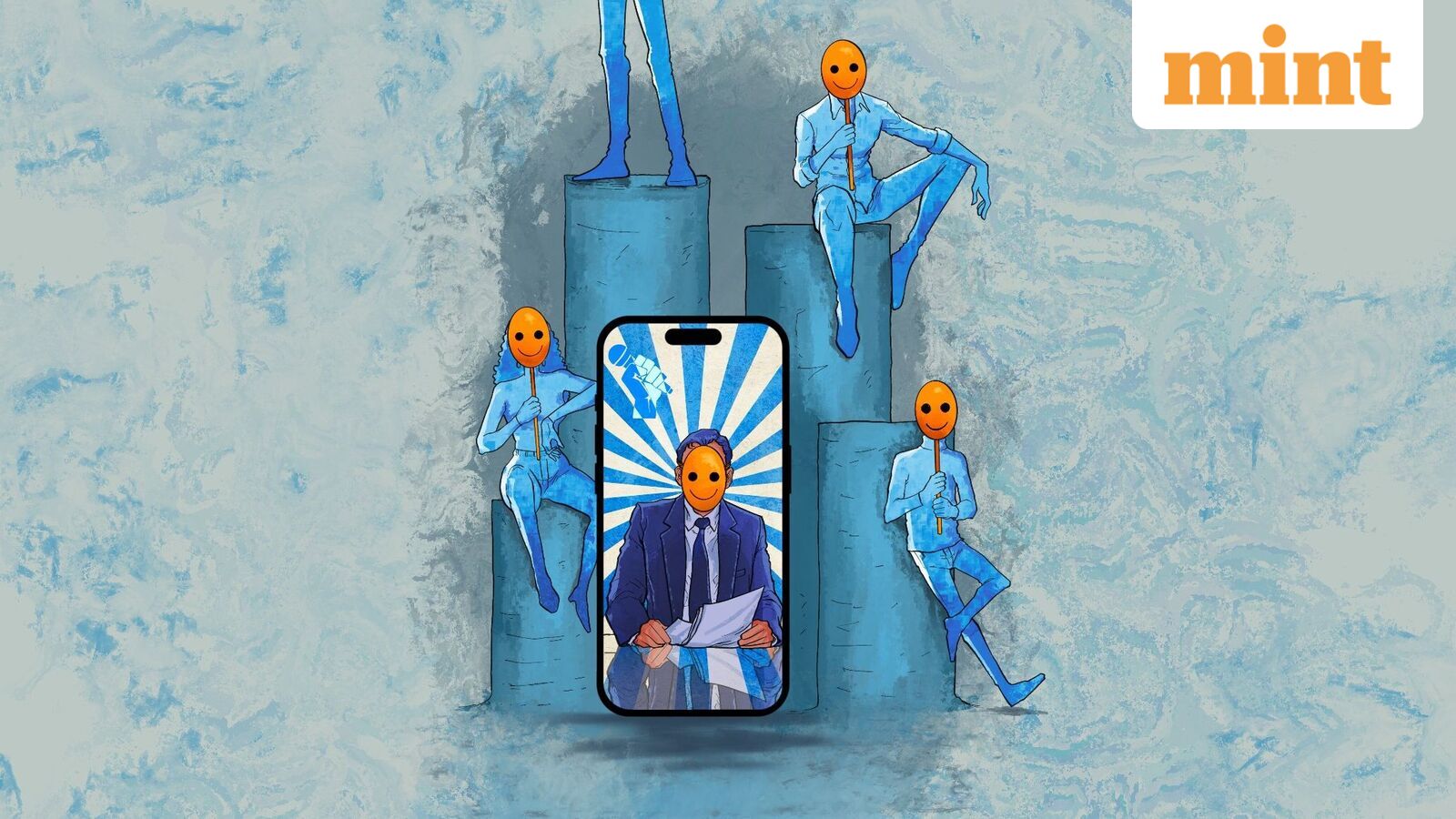
India is grappling with a deepfake epidemic, as synthetic media becomes an increasingly potent tool for deception. With the country's vibrant digital landscape, the proliferation of deepfakes poses a significant challenge, especially in the realm of online scams and misinformation. The Ministry of Electronics and Information Technology (MeitY) has proposed a solution: labeling all synthetic content to distinguish it from authentic material. However, this task is becoming increasingly complex as deepfake technology advances.
Deepfakes, a portmanteau of "deep learning" and "fake," are hyper-realistic synthetic media created using advanced artificial intelligence. These forgeries can manipulate audio, video, and images to depict people saying or doing things they never did. In India, deepfakes have been used to impersonate politicians, celebrities, and even ordinary citizens, often with malicious intent. The ease of access to deepfake technology and the country's vast online population have created a perfect storm for the spread of synthetic scams.
Fact-checking organizations and AI detection tools are struggling to keep pace with the evolving nature of deepfakes. Short video clips, in particular, present a unique challenge, as they are more challenging to analyze and can quickly go viral on social media platforms. The consequences of this deepfake deluge are far-reaching, impacting individuals, businesses, and even national security. As the technology becomes more sophisticated, the battle to identify and mitigate deepfakes becomes a high-stakes arms race.
The future of this fight against synthetic fraud may lie in a combination of advanced AI detection systems and robust public awareness campaigns. By educating the public about the dangers of deepfakes and promoting media literacy, India can build a more resilient digital society. As the country navigates this complex issue, the world watches closely, as the lessons learned here could shape the global response to the deepfake phenomenon.
Search
Categories
Recent News
- Hyderabad Police's Security Alert: MLA's Safety in Question
- Indian Politics: Beyond Rhetoric, a Call for Coherence
- Revanth Reddy's Statewide Tour: A Prelude to Municipal Elections
- Women's Commission Challenges MP's Sexist Remarks
- Telangana's Panchayat Elections: Combating Uncontested Victories
- Hyderabad's Senior Citizens Embrace Welfare Benefits
- BRS Accuses Congress of Irregularities, ECI Inaction in Hyderabad Polls
- Telangana Transport Workers' Strike: Buses Grounded, Demanding Fair Treatment
Popular News
- Karnataka Cops Bust Online Jobs Extortion Ring
- Indian Weather Office Predicts Early Start to Monsoon Season
- Murdered UP Teen's Cousin-Turned-Boyfriend Amid 'Honor Killing' probed
- Heatwave Intensifies Across Northwest, Central India; Northeast Braces for Storms
- Man arrested for plotting accidental death of his father