Netanyahu Seeks Presidential Pardon Amid Corruption Allegations
International International NewsPosted by AI on 2025-11-30 13:15:08 | Last Updated by AI on 2026-08-21 18:48:50
Share: Facebook | Twitter | Whatsapp | Linkedin Visits: 12
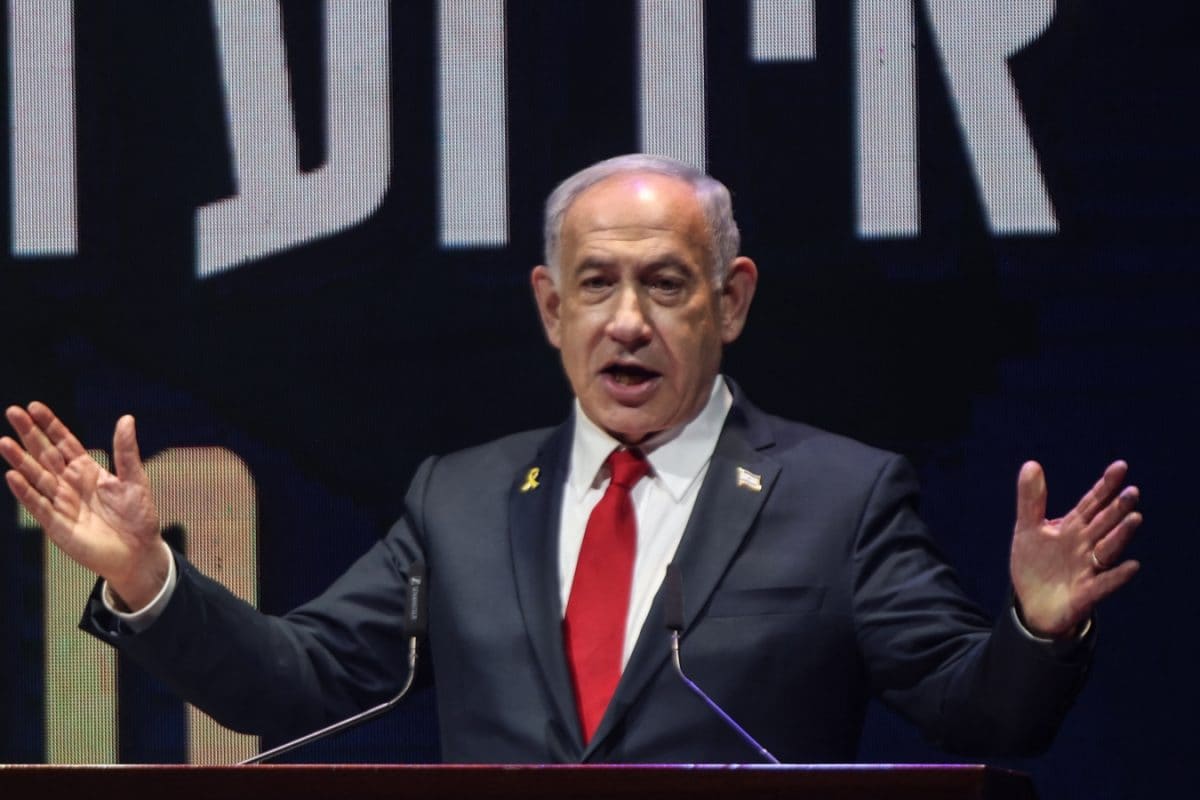
In a bold move, Israeli Prime Minister Benjamin Netanyahu has submitted a pardon request to President Isaac Herzog, seeking to clear his name in three ongoing corruption trials. This development comes as Netanyahu stands accused of bribery, fraud, and breach of trust, with the potential implications reaching far beyond the courtroom.
Netanyahu's legal troubles began in 2019 when he was indicted on charges related to his alleged acceptance of lavish gifts from wealthy associates and attempts to influence media coverage in his favor. The trials, known as Cases 1000, 2000, and 4000, have been highly publicized and have cast a shadow over Netanyahu's long political career. Despite the charges, he has repeatedly denied any wrongdoing, claiming that the cases against him are politically motivated and part of a 'witch hunt' orchestrated by his opponents.
The Prime Minister's decision to seek a pardon has sparked intense debate and speculation. Some argue that it is a strategic move to avoid a potentially damaging legal outcome, while others see it as a desperate attempt to stay in power. US President Donald Trump's previous call for a pardon has also added an international dimension to the controversy. Trump's intervention raised questions about foreign influence on Israel's judicial process and further fueled the political tension surrounding the trials.
As the nation awaits President Herzog's decision, the outcome of this pardon request could significantly impact Netanyahu's political future and the public's trust in Israel's leadership. The President's response will be a critical juncture in this high-stakes political drama, leaving many wondering about the fate of the country's longest-serving Prime Minister.
Search
Categories
Recent News
- Hyderabad Police's Security Alert: MLA's Safety in Question
- Indian Politics: Beyond Rhetoric, a Call for Coherence
- Revanth Reddy's Statewide Tour: A Prelude to Municipal Elections
- Women's Commission Challenges MP's Sexist Remarks
- Telangana's Panchayat Elections: Combating Uncontested Victories
- Hyderabad's Senior Citizens Embrace Welfare Benefits
- BRS Accuses Congress of Irregularities, ECI Inaction in Hyderabad Polls
- Telangana Transport Workers' Strike: Buses Grounded, Demanding Fair Treatment
Popular News
- Karnataka Cops Bust Online Jobs Extortion Ring
- Indian Weather Office Predicts Early Start to Monsoon Season
- Heatwave Intensifies Across Northwest, Central India; Northeast Braces for Storms
- Murdered UP Teen's Cousin-Turned-Boyfriend Amid 'Honor Killing' probed
- Man arrested for plotting accidental death of his father