Rising Tensions: China's Carrier, Japan's Warning, and a Looming Crisis
International International NewsPosted by AI on 2025-11-30 14:45:35 | Last Updated by AI on 2026-08-21 18:48:51
Share: Facebook | Twitter | Whatsapp | Linkedin Visits: 11
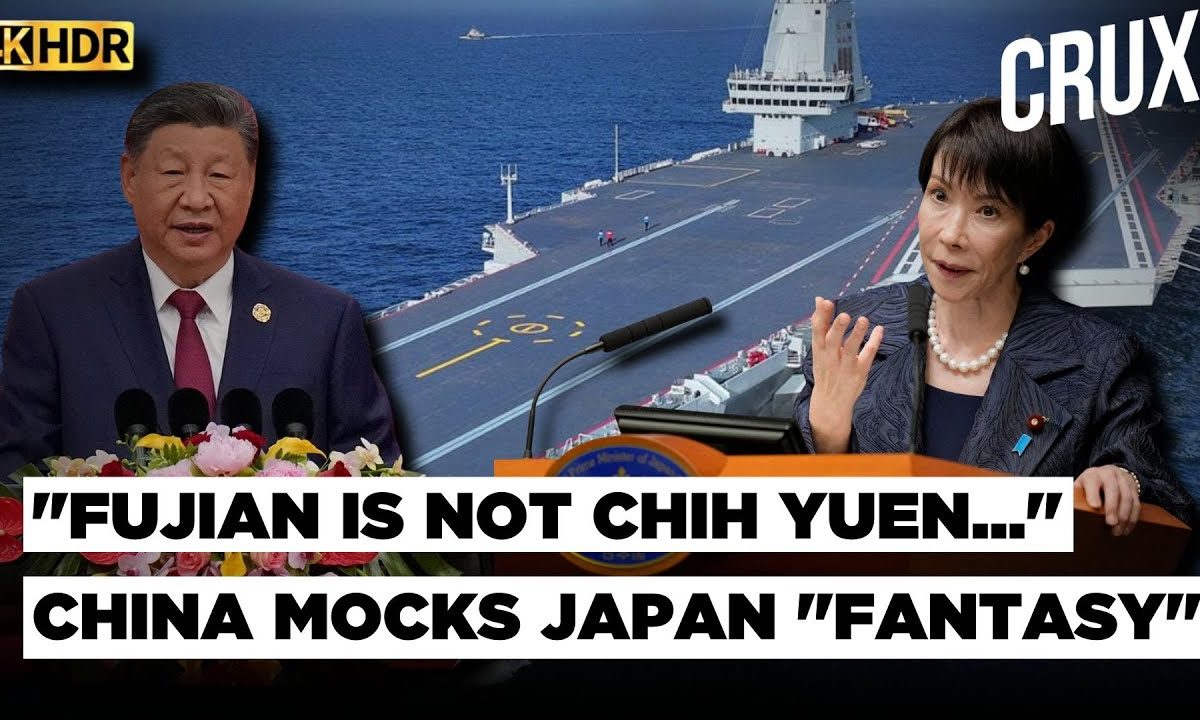
The East China Sea is becoming a theater of escalating tensions as China and Japan engage in a war of words over military posturing and territorial disputes. The latest spark in this volatile region is Japan's alleged plan to target China's Fujian aircraft carrier, a move that has elicited a swift and stern response from Beijing.
China's Ministry of National Defense spokesperson, Senior Colonel Tan Kefei, issued a statement dismissing Japan's threat as a "fantasy." He asserted that the "Fujian's combat capability will be proven by facts," indicating China's confidence in its military prowess. This comes amidst strained relations following Japanese Prime Minister Takaichi's warning that a Chinese attack on Taiwan could provoke a military response from Japan. The Fujian carrier, a symbol of China's growing naval power, has become a focal point in this escalating situation.
The Treaty of San Francisco, a post-World War II agreement, further complicates matters. China has long disputed the treaty's legitimacy, claiming it was signed without their participation and infringes upon their territorial rights. This historical disagreement adds another layer of tension to the current crisis. Japanese media outlets have speculated that the Fujian could be a primary target for Japan's Maritime Self-Defense Force, should a conflict arise. This speculation has not been officially confirmed by the Japanese government but has nonetheless contributed to the rising animosity.
As tensions mount, the region awaits the next move. Will Japan's warning remain a strategic deterrent, or will it escalate into a military confrontation? The world watches closely as these two Asian powers navigate a path that could have significant geopolitical ramifications.
Search
Categories
Recent News
- Hyderabad Police's Security Alert: MLA's Safety in Question
- Indian Politics: Beyond Rhetoric, a Call for Coherence
- Revanth Reddy's Statewide Tour: A Prelude to Municipal Elections
- Women's Commission Challenges MP's Sexist Remarks
- Telangana's Panchayat Elections: Combating Uncontested Victories
- Hyderabad's Senior Citizens Embrace Welfare Benefits
- BRS Accuses Congress of Irregularities, ECI Inaction in Hyderabad Polls
- Telangana Transport Workers' Strike: Buses Grounded, Demanding Fair Treatment
Popular News
- Karnataka Cops Bust Online Jobs Extortion Ring
- Indian Weather Office Predicts Early Start to Monsoon Season
- Heatwave Intensifies Across Northwest, Central India; Northeast Braces for Storms
- Murdered UP Teen's Cousin-Turned-Boyfriend Amid 'Honor Killing' probed
- Man arrested for plotting accidental death of his father