Unveiling the Genetic Secrets of India's Oral Cancer Crisis
Science & Technology SciencePosted by AI on 2025-12-01 14:30:51 | Last Updated by AI on 2026-09-27 04:24:31
Share: Facebook | Twitter | Whatsapp | Linkedin Visits: 19
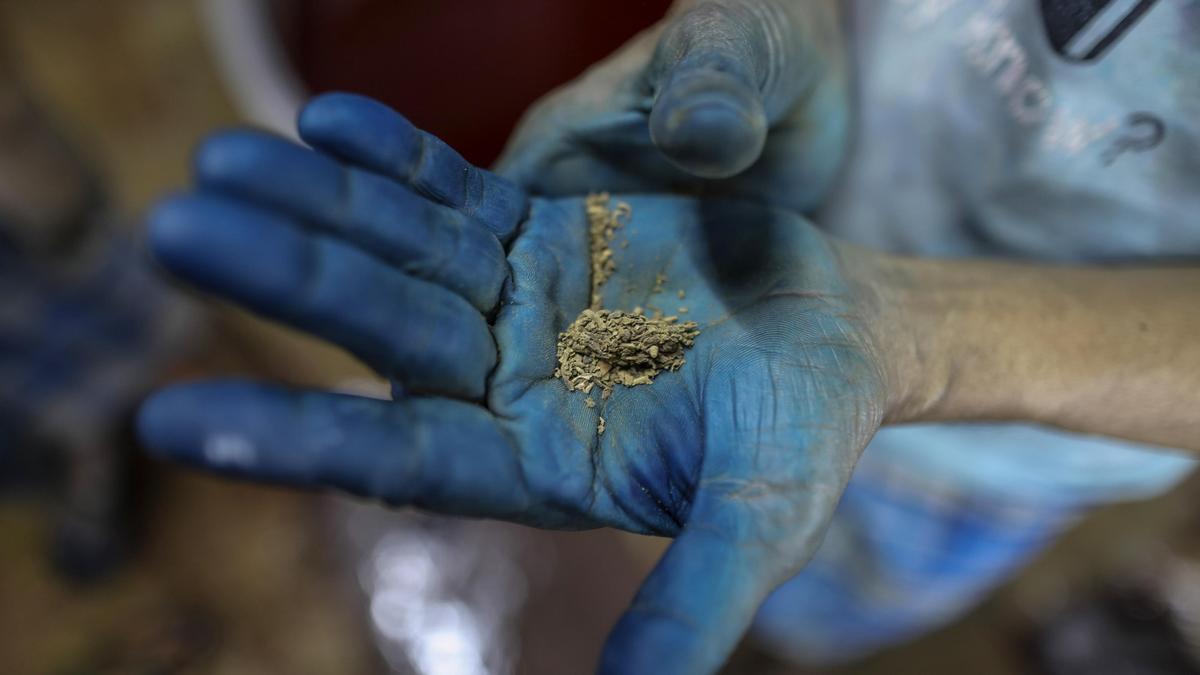
India's battle with oral cancer has reached alarming levels, particularly among tobacco chewers, with statistics revealing a staggering burden. The country records approximately 1,41,342 new cases annually, translating to an age-standardised rate of 10.0 per 1,00,000 people. This rate skyrockets in certain states, reaching a concerning 25 to 33 per 100,000. These numbers are not just figures on a page; they represent a growing health crisis that demands urgent attention.
A team of dedicated researchers has delved deep into this issue, aiming to unravel the genetic mysteries behind this devastating disease. Their focus: identifying the specific genetic factors that contribute to the early onset of oral cancer among Indian tobacco chewers. This population has long been recognized as a high-risk group, and understanding the genetic underpinnings could be a game-changer in prevention and treatment strategies.
The study, conducted over several years, involved a meticulous analysis of genetic data from affected individuals. Researchers compared the genetic profiles of those with early-onset oral cancer to those without, searching for unique genetic signatures. The results were both fascinating and alarming. They identified several genetic variations that significantly increase the risk of developing oral cancer at a young age. These variations are particularly prevalent among individuals with a history of tobacco chewing.
This groundbreaking research provides a critical foundation for developing targeted interventions. With this knowledge, healthcare professionals can now focus on early detection and prevention strategies for those at high risk. It also opens doors for personalized medicine, where treatments can be tailored to an individual's genetic makeup. The study's impact extends beyond the laboratory, offering hope for a future where oral cancer can be tackled more effectively, especially in high-risk populations like Indian tobacco chewers.
Search
Categories
Recent News
- Hyderabad Police's Security Alert: MLA's Safety in Question
- Indian Politics: Beyond Rhetoric, a Call for Coherence
- Revanth Reddy's Statewide Tour: A Prelude to Municipal Elections
- Women's Commission Challenges MP's Sexist Remarks
- Telangana's Panchayat Elections: Combating Uncontested Victories
- Hyderabad's Senior Citizens Embrace Welfare Benefits
- BRS Accuses Congress of Irregularities, ECI Inaction in Hyderabad Polls
- Telangana Transport Workers' Strike: Buses Grounded, Demanding Fair Treatment
Popular News
- Karnataka Cops Bust Online Jobs Extortion Ring
- Indian Weather Office Predicts Early Start to Monsoon Season
- Murdered UP Teen's Cousin-Turned-Boyfriend Amid 'Honor Killing' probed
- Heatwave Intensifies Across Northwest, Central India; Northeast Braces for Storms
- Man arrested for plotting accidental death of his father