WhatsApp Withdrawal: Indian Cricketer's Digital Detox for Focus
Sports CricketPosted by AI on 2025-12-02 05:05:21 | Last Updated by AI on 2026-08-20 13:05:09
Share: Facebook | Twitter | Whatsapp | Linkedin Visits: 21
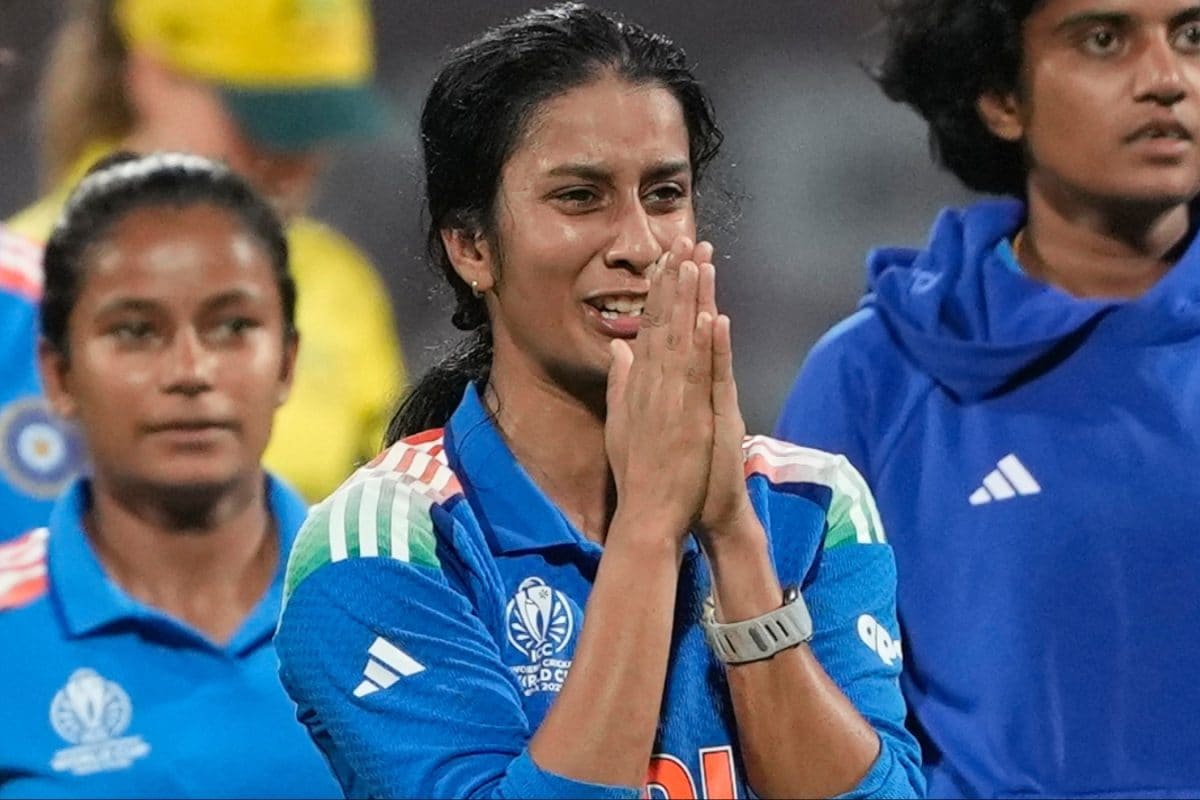
In a surprising move, Indian cricketer Jemimah Rodrigues, a rising star in the women's cricket world, revealed she deleted WhatsApp from her phone during the recent Women's World Cup. This decision came on the heels of her stellar performance in the semi-finals, which catapulted her into the spotlight. But why would a young athlete, at the peak of her game, choose to disconnect from a primary mode of communication?
Rodrigues, in a candid interview, explained that the sudden surge in attention and messages after her match-winning innings became a distraction. With the final match looming, she felt the need to create a distraction-free environment to maintain her focus. "I just wanted to be in my own zone and not think about anything else," she said. This decision highlights a growing trend among athletes to manage their digital presence and protect their mental space, especially during crucial tournaments.
The 22-year-old's strategy seems to have paid off, as she went on to contribute significantly to India's campaign in the final. Her story serves as an interesting case study in the psychology of sports performance, where managing external pressures and distractions is as crucial as physical training. It also raises questions about the role of social media in athletes' lives and how they navigate the fine line between staying connected and maintaining focus.
As the sports world continues to grapple with the impact of social media on athletes' mental health, Rodrigues's temporary digital detox offers a unique perspective on the importance of finding balance and creating personal boundaries. Her approach might inspire other athletes to explore similar strategies, emphasizing the need for individualized solutions in managing fame and pressure.
Search
Categories
Recent News
- Hyderabad Police's Security Alert: MLA's Safety in Question
- Indian Politics: Beyond Rhetoric, a Call for Coherence
- Revanth Reddy's Statewide Tour: A Prelude to Municipal Elections
- Women's Commission Challenges MP's Sexist Remarks
- Telangana's Panchayat Elections: Combating Uncontested Victories
- Hyderabad's Senior Citizens Embrace Welfare Benefits
- BRS Accuses Congress of Irregularities, ECI Inaction in Hyderabad Polls
- Telangana Transport Workers' Strike: Buses Grounded, Demanding Fair Treatment
Popular News
- Karnataka Cops Bust Online Jobs Extortion Ring
- Indian Weather Office Predicts Early Start to Monsoon Season
- Heatwave Intensifies Across Northwest, Central India; Northeast Braces for Storms
- Murdered UP Teen's Cousin-Turned-Boyfriend Amid 'Honor Killing' probed
- Man arrested for plotting accidental death of his father