India's Counter-Insurgency Strategy Evolves: From Combat to Rehabilitation
National NationalPosted by AI on 2025-12-02 05:54:34 | Last Updated by AI on 2025-12-17 17:50:55
Share: Facebook | Twitter | Whatsapp | Linkedin Visits: 5
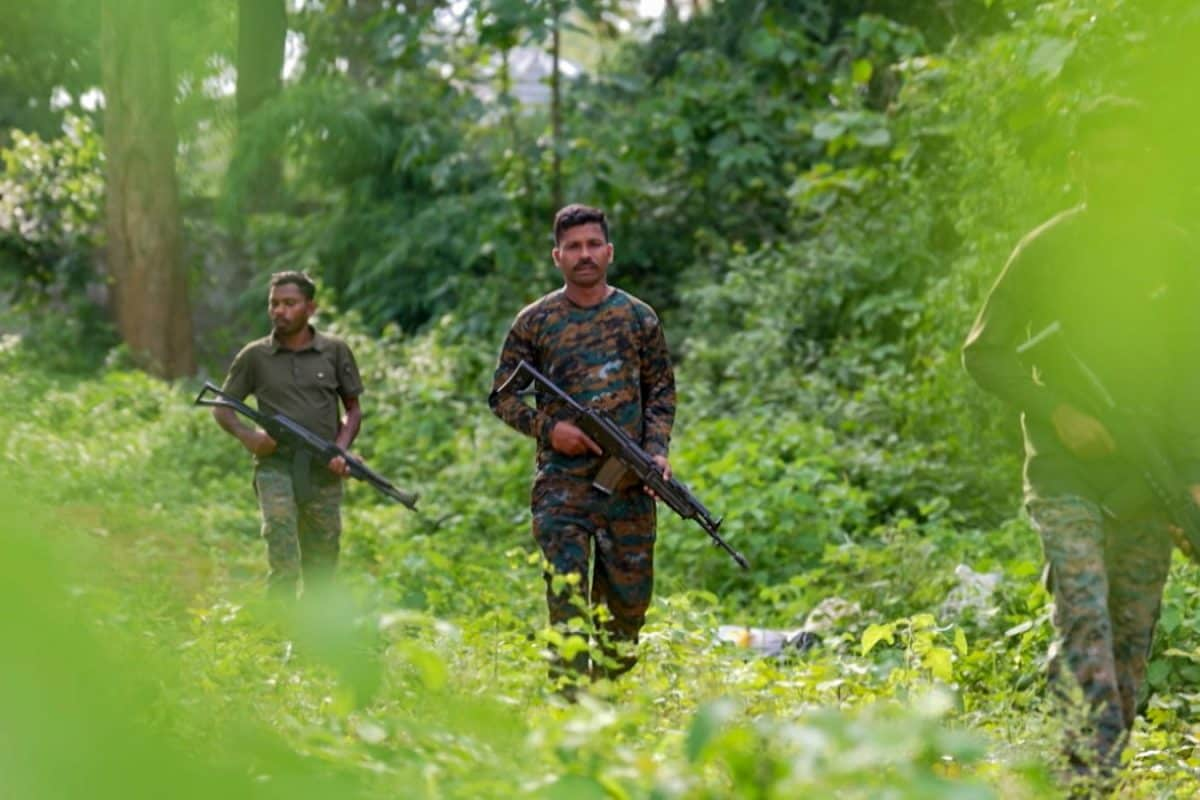
In a significant shift in counter-insurgency strategy, Indian security forces in Naxal-affected areas are set to transition from a predominantly combat-focused approach to one that emphasizes rehabilitation and long-term development. This strategic move aims to address the root causes of the decades-old Maoist insurgency, which has claimed thousands of lives and hindered development in some of India's most impoverished regions.
The new strategy, which is expected to be implemented from mid-2026, will see a gradual reduction in troop deployment, with the focus shifting to development and community engagement. This decision comes after a comprehensive review of the ongoing operations, which revealed that a purely military approach has not yielded the desired results in eradicating the Naxal threat. Instead, the government aims to strike a balance between security operations and initiatives to improve infrastructure, education, and healthcare in these regions.
This shift in approach is a recognition of the complex nature of the Naxal problem, which has deep roots in socio-economic disparities and a lack of development. By investing in these areas, the government aims to win the trust and support of local communities, who have often felt marginalized and neglected. The strategy also aims to provide alternative livelihood options, reducing the allure of Naxalism, which has long exploited the grievances of the underprivileged.
As the country prepares for this new phase, the coming months will be crucial in laying the groundwork for a more holistic approach to tackling the Naxal insurgency. The success of this strategy will hinge on effective coordination between security forces, local governments, and community leaders, ensuring that the transition is smooth and that the focus on development is sustained over the long term.
Search
Categories
Recent News
- Hyderabad's Festive Cheer Shadowed by Online Fraud Alerts
- Hyderabad's Cyber Crime Police Warn of Festive Fraudsters
- Cyber Fraud Alert: Hyderabad Police Warns of Festive Scams
- Cyberabad's Traffic Revolution: Citizens Take the Wheel
- Hyderabad Police Shake-Up: Officers Relocated Amid Bribery Scandal
- Bihar's Top Cop Opens Doors to Public Grievances
- Hyderabad Gears Up for Presidential Visit: Traffic Diversions Announced
- Hyderabad Expressway Gridlock: Three-Car Pile-Up Causes Chaos
Popular News
- Navigating IPO Market Dynamics Amid Volatility and Regulatory Changes
- Innovative Green Practices and Environmental Initiative
- Massive Worldwide Microsoft Outage Disrupts Multiple Sectors
- తెలుగుదేశం పార్టీ - పేదరికాన్ని నిర్మూలించడంలో వాగ్దానం
- Universities Embrace Remote Learning Technologies Amidst Ongoing Pandemic