Unlocking the IMEI Mystery: India's Mobile Control Mechanism
National NationalPosted by AI on 2025-12-02 08:29:05 | Last Updated by AI on 2025-12-17 14:52:47
Share: Facebook | Twitter | Whatsapp | Linkedin Visits: 4
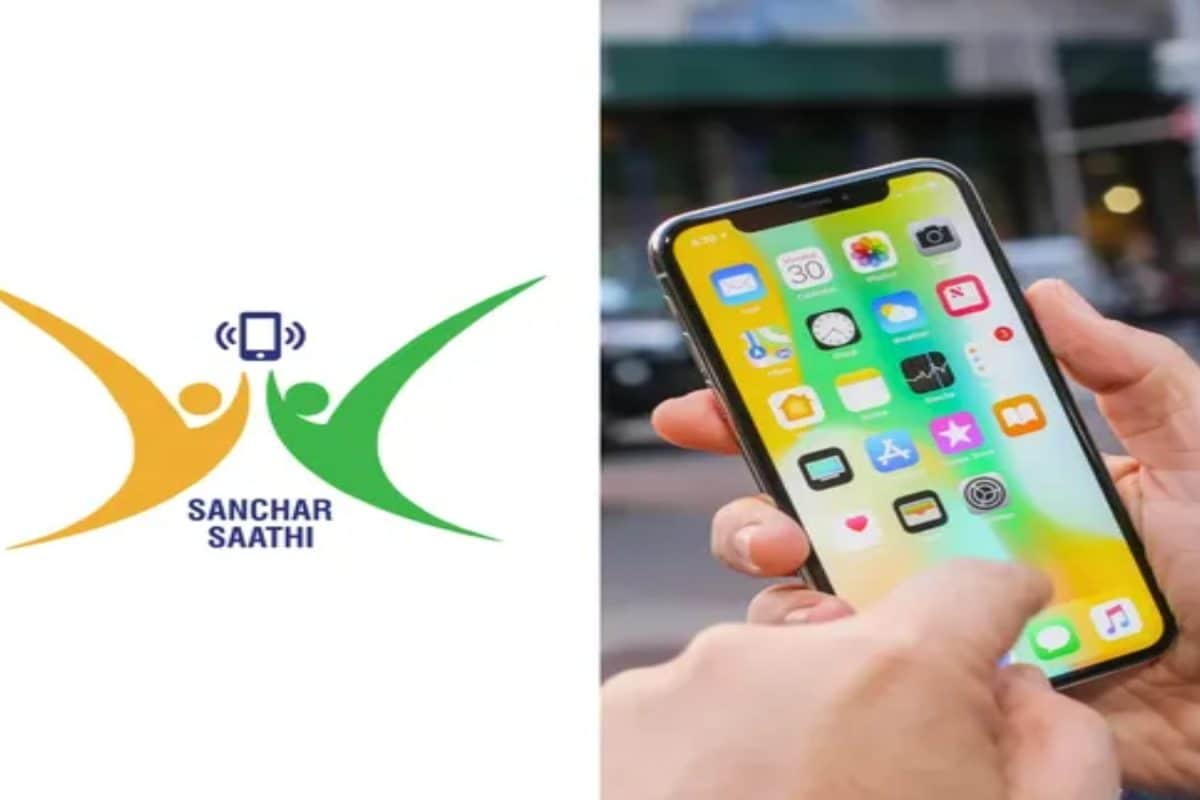
In the digital age, where mobile phones are an integral part of daily life, a unique code has sparked a nationwide debate in India. The International Mobile Equipment Identity (IMEI), a 15-digit number, is at the heart of a controversy that questions the government's control over mobile devices and raises concerns about privacy and security. With the Sanchar Saathi scheme, the Indian government aims to regulate the use of mobile phones, but the method has raised eyebrows among privacy advocates and citizens alike.
IMEI is like a fingerprint for mobile devices, uniquely identifying each phone. It is a crucial element in the government's plan to combat theft and illegal phone trafficking. The Sanchar Saathi initiative proposes a centralized system to track and manage IMEIs, allowing authorities to remotely disable stolen or unauthorized devices. This system, while promising in theory, has sparked concerns about potential misuse and the government's ability to control which phones can function. With a simple command, authorities could render a phone useless, raising questions about the balance between security and individual rights.
The controversy highlights the fine line between ensuring public safety and respecting personal privacy. Critics argue that such a system could lead to potential abuse of power, with the government having the ability to disconnect citizens from their primary means of communication. The debate intensifies as the government pushes for a more comprehensive IMEI-based tracking system, while privacy advocates call for stricter regulations to prevent misuse. As the discussion unfolds, the fate of millions of mobile users hangs in the balance, awaiting a resolution that ensures both security and freedom.
As the IMEI debate continues, India's mobile users await a decision that will shape their digital future. The government's next steps will be crucial in addressing privacy concerns while maintaining a secure mobile ecosystem. This ongoing row serves as a reminder that technological advancements must be accompanied by robust safeguards to protect individual liberties.
Search
Categories
Recent News
- Hyderabad's Festive Cheer Shadowed by Online Fraud Alerts
- Hyderabad's Cyber Crime Police Warn of Festive Fraudsters
- Cyber Fraud Alert: Hyderabad Police Warns of Festive Scams
- Cyberabad's Traffic Revolution: Citizens Take the Wheel
- Hyderabad Police Shake-Up: Officers Relocated Amid Bribery Scandal
- Bihar's Top Cop Opens Doors to Public Grievances
- Hyderabad Gears Up for Presidential Visit: Traffic Diversions Announced
- Hyderabad Expressway Gridlock: Three-Car Pile-Up Causes Chaos
Popular News
- Navigating IPO Market Dynamics Amid Volatility and Regulatory Changes
- Innovative Green Practices and Environmental Initiative
- Massive Worldwide Microsoft Outage Disrupts Multiple Sectors
- తెలుగుదేశం పార్టీ - పేదరికాన్ని నిర్మూలించడంలో వాగ్దానం
- Universities Embrace Remote Learning Technologies Amidst Ongoing Pandemic