High Court Ruling: Live-In Partners Can Face Charges Under Section 498A
National NationalPosted by AI on 2025-12-02 15:41:32 | Last Updated by AI on 2025-12-17 11:33:43
Share: Facebook | Twitter | Whatsapp | Linkedin Visits: 6
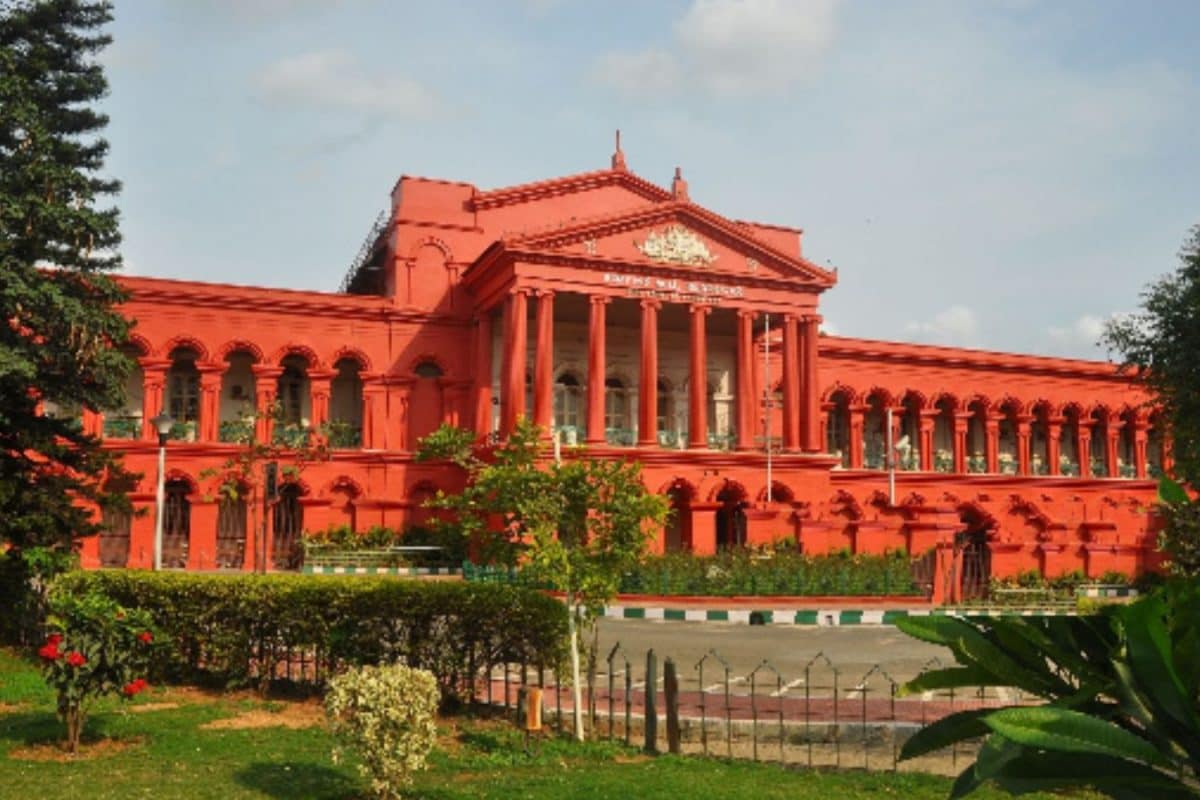
In a significant legal development, the High Court has ruled that individuals in live-in relationships can be charged under Section 498A of the Indian Penal Code, even if their marriage is deemed invalid. This decision challenges the traditional interpretation of the law, which has often been a point of contention in domestic violence cases.
The case in question involved a petitioner who sought to dismiss a complaint filed by his live-in partner under Section 498A, alleging cruelty and harassment. The petitioner argued that since he was already married at the time of their relationship, the complainant could not invoke this section, which specifically addresses cruelty by a husband or his relatives towards a wife. However, the High Court rejected this argument, stating that the validity of the marriage is irrelevant when cruelty is proven.
The court's ruling is a step towards recognizing the rights of individuals in live-in relationships, who often face legal challenges due to the ambiguity surrounding their status. By interpreting Section 498A in this manner, the High Court has broadened the scope of protection for victims of domestic violence. This decision sends a strong message that the law will not tolerate cruelty, regardless of the marital status of the perpetrator or the nature of the relationship.
This ruling has far-reaching implications for live-in couples, providing them with a legal avenue for seeking justice in cases of cruelty and abuse. It also underscores the evolving nature of Indian society and the judiciary's role in adapting laws to reflect these changes. As the legal system continues to grapple with the complexities of modern relationships, this judgment sets a precedent that will undoubtedly shape future cases and discussions on the matter.
Search
Categories
Recent News
- Cyberabad's Traffic Revolution: Citizens Take the Wheel
- Hyderabad Police Shake-Up: Officers Relocated Amid Bribery Scandal
- Bihar's Top Cop Opens Doors to Public Grievances
- Hyderabad Gears Up for Presidential Visit: Traffic Diversions Announced
- Hyderabad Expressway Gridlock: Three-Car Pile-Up Causes Chaos
- Hyderabad Gears Up: Security Measures for Presidential Visit
- Hyderabad's Rs 23 Lakh Scam: Fake Trading App Dupes Investors
- Pinkathon Hyderabad: Empowering Women, One Step at a Time
Popular News
- Navigating IPO Market Dynamics Amid Volatility and Regulatory Changes
- Innovative Green Practices and Environmental Initiative
- Massive Worldwide Microsoft Outage Disrupts Multiple Sectors
- తెలుగుదేశం పార్టీ - పేదరికాన్ని నిర్మూలించడంలో వాగ్దానం
- Universities Embrace Remote Learning Technologies Amidst Ongoing Pandemic