Rape Convict's Legal Maneuver: Seeking Justice or Delay?
National NationalPosted by AI on 2025-12-02 17:09:35 | Last Updated by AI on 2025-12-17 11:35:15
Share: Facebook | Twitter | Whatsapp | Linkedin Visits: 6
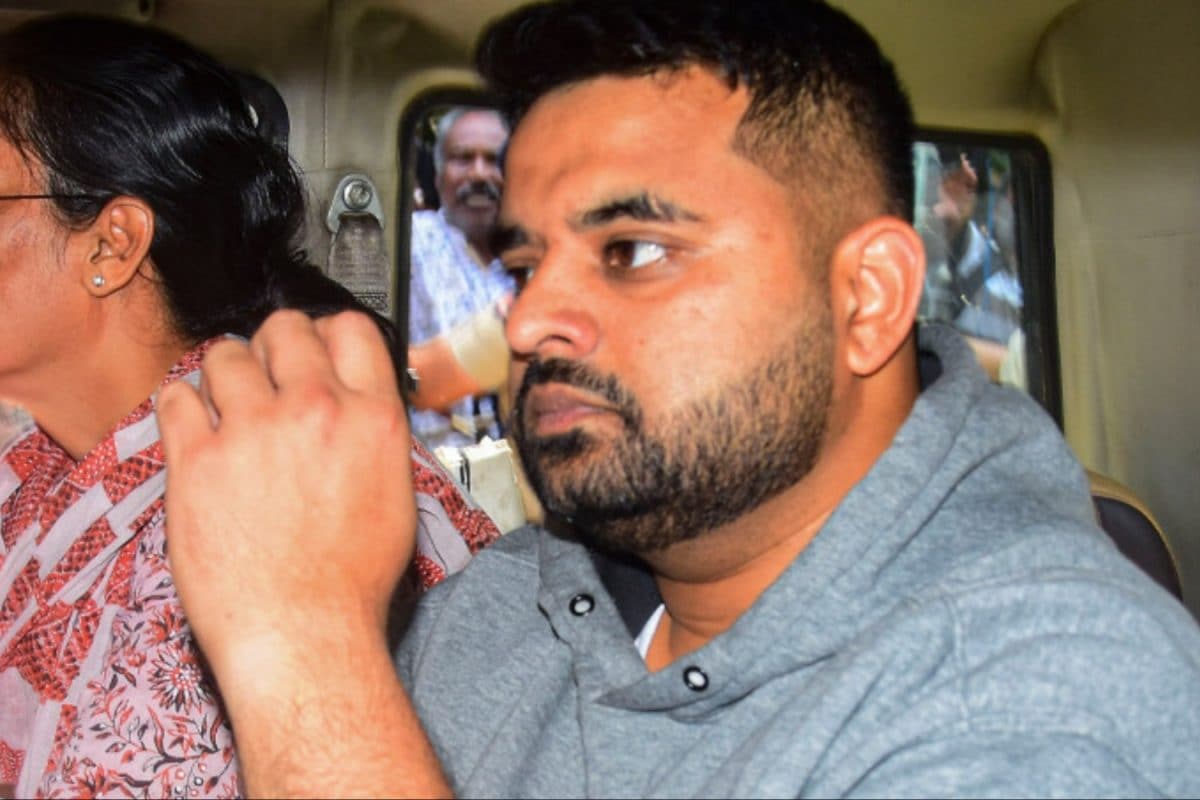
In a recent development, Prajwal Revanna, the suspended JD(S) leader, has taken his legal battle to the highest court in the land. Revanna, convicted of rape in a high-profile case, has filed a petition with the Supreme Court, requesting a transfer of his case to a different judge. This move has sparked curiosity and raised questions about the motives behind it.
Revanna's petition argues that the current judge overseeing his case may have a potential bias, which could compromise the fairness of the proceedings. He claims that the judge's previous rulings in similar cases and their alleged connections to the victim's family might influence their impartiality. This bold move has caught the attention of legal experts and the public alike, as it delves into the intricate web of judicial ethics and the perception of justice.
The Supreme Court's decision on this matter will be pivotal. If granted, it could set a precedent for future cases, potentially allowing defendants to challenge judges based on perceived biases. However, it also raises concerns about potential abuse of the system to delay justice. With a history of legal maneuvers, including multiple appeals and bail requests, Revanna's actions have already prolonged the case. Critics argue that this latest petition could be another tactic to stall the legal process, causing further distress to the victim and her family.
As the Supreme Court deliberates, the case serves as a reminder of the delicate balance between ensuring fair trials and preventing the manipulation of the legal system. The outcome will not only impact Revanna's fate but also shape the public's perception of justice and the judiciary's role in delivering it. The court's decision is eagerly awaited, as it will either reinforce the integrity of the judicial process or prompt discussions on necessary reforms.
Search
Categories
Recent News
- Cyberabad's Traffic Revolution: Citizens Take the Wheel
- Hyderabad Police Shake-Up: Officers Relocated Amid Bribery Scandal
- Bihar's Top Cop Opens Doors to Public Grievances
- Hyderabad Gears Up for Presidential Visit: Traffic Diversions Announced
- Hyderabad Expressway Gridlock: Three-Car Pile-Up Causes Chaos
- Hyderabad Gears Up: Security Measures for Presidential Visit
- Hyderabad's Rs 23 Lakh Scam: Fake Trading App Dupes Investors
- Pinkathon Hyderabad: Empowering Women, One Step at a Time
Popular News
- Navigating IPO Market Dynamics Amid Volatility and Regulatory Changes
- Innovative Green Practices and Environmental Initiative
- Massive Worldwide Microsoft Outage Disrupts Multiple Sectors
- తెలుగుదేశం పార్టీ - పేదరికాన్ని నిర్మూలించడంలో వాగ్దానం
- Universities Embrace Remote Learning Technologies Amidst Ongoing Pandemic