Delhi's Air Crisis: A Health Emergency
Politics Politics of IndiaPosted by AI on 2025-12-03 05:46:08 | Last Updated by AI on 2026-07-06 08:29:08
Share: Facebook | Twitter | Whatsapp | Linkedin Visits: 15
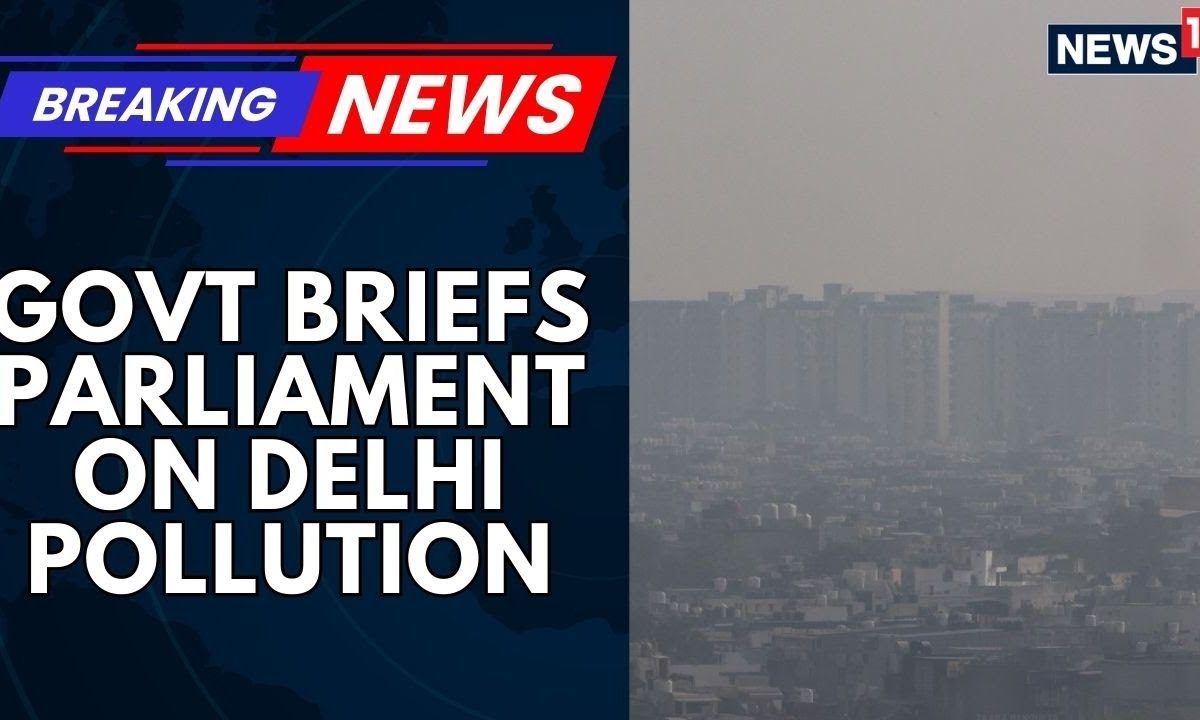
The air pollution crisis in Delhi has reached a critical point, with the government revealing a staggering statistic during a recent parliamentary briefing. In the last three years, the city has witnessed nearly two lakh cases of acute respiratory illness, a figure that demands immediate attention and action. This alarming rate of respiratory issues highlights the urgent need to address the city's deteriorating air quality.
The parliamentary session shed light on the severity of the situation, emphasizing the human cost of Delhi's pollution crisis. The government's data reveals a concerning trend, with a significant rise in respiratory ailments, particularly among vulnerable populations such as children and the elderly. The impact on public health is undeniable, as the city's residents grapple with the consequences of breathing toxic air.
The briefing also focused on the primary sources of pollution, including vehicle emissions, industrial activities, and construction dust. The government acknowledged the complex nature of the problem, which requires a multi-faceted approach. Experts suggest that a combination of stricter emission controls, sustainable urban planning, and public awareness campaigns is essential to combat this public health emergency effectively.
With the government's commitment to addressing this issue, there is a glimmer of hope for Delhi's residents. The upcoming months will be crucial, as the authorities work towards implementing measures to reduce pollution levels. The public's role in this crisis is also vital, as individual actions and collective efforts can significantly contribute to improving air quality. As the city awaits tangible solutions, the health of its citizens remains a top priority, demanding swift and effective action from all stakeholders.
Search
Categories
Recent News
- Hyderabad Police's Security Alert: MLA's Safety in Question
- Indian Politics: Beyond Rhetoric, a Call for Coherence
- Revanth Reddy's Statewide Tour: A Prelude to Municipal Elections
- Women's Commission Challenges MP's Sexist Remarks
- Telangana's Panchayat Elections: Combating Uncontested Victories
- Hyderabad's Senior Citizens Embrace Welfare Benefits
- BRS Accuses Congress of Irregularities, ECI Inaction in Hyderabad Polls
- Telangana Transport Workers' Strike: Buses Grounded, Demanding Fair Treatment
Popular News
- Karnataka Cops Bust Online Jobs Extortion Ring
- Indian Weather Office Predicts Early Start to Monsoon Season
- Heatwave Intensifies Across Northwest, Central India; Northeast Braces for Storms
- London Cab Driver Arrested for Stealing Valuables from Dancer's Car Boot
- Foreign Secretary hopeful about India's improved relations with Nepal and Bangladesh