Gaza Under Fire: Israeli Strikes Claim Lives, Border Crossing to Reopen
International International NewsPosted by AI on 2025-12-04 06:00:47 | Last Updated by AI on 2026-08-21 19:59:44
Share: Facebook | Twitter | Whatsapp | Linkedin Visits: 13
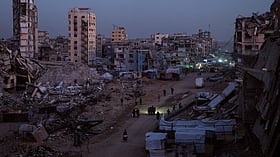
In a recent escalation of violence, Israel's military operations in Gaza have resulted in the deaths of seven Palestinians, marking yet another tragic chapter in the region's ongoing conflict. This development comes amid a backdrop of heightened tensions and a fragile ceasefire agreement.
The Israeli Defense Forces (IDF) confirmed the strikes, stating they were targeted actions against Hamas militants in response to alleged incendiary balloon attacks from Gaza. According, to the IDF, these attacks posed a significant threat to Israeli civilians and infrastructure. The military operation, which included airstrikes and tank fire, aimed to neutralize the sources of these attacks and restore security along the border.
The Palestinian Health Ministry reported that the strikes hit multiple locations in Gaza, including the Rafah refugee camp, resulting in the deaths of seven individuals and injuring several others. The ministry identified the victims as young men, some of whom were affiliated with Hamas's military wing. The IDF's actions have sparked outrage among Palestinians and international observers, who argue that the response was disproportionate and resulted in civilian casualties.
Despite the violence, there is a glimmer of hope as Israel has announced that the Rafah border crossing between Gaza and Egypt will partially reopen. This move is seen as a potential step towards easing the blockade and facilitating much-needed humanitarian aid and travel for Gaza residents. The partial reopening is scheduled to allow for the passage of humanitarian cases and those with valid travel documents, providing a lifeline for many seeking medical treatment or family reunification. The situation remains tense, with the international community urging both sides to exercise restraint and work towards a lasting peace.
Search
Categories
Recent News
- Hyderabad Police's Security Alert: MLA's Safety in Question
- Indian Politics: Beyond Rhetoric, a Call for Coherence
- Revanth Reddy's Statewide Tour: A Prelude to Municipal Elections
- Women's Commission Challenges MP's Sexist Remarks
- Telangana's Panchayat Elections: Combating Uncontested Victories
- Hyderabad's Senior Citizens Embrace Welfare Benefits
- BRS Accuses Congress of Irregularities, ECI Inaction in Hyderabad Polls
- Telangana Transport Workers' Strike: Buses Grounded, Demanding Fair Treatment
Popular News
- Karnataka Cops Bust Online Jobs Extortion Ring
- Indian Weather Office Predicts Early Start to Monsoon Season
- Heatwave Intensifies Across Northwest, Central India; Northeast Braces for Storms
- Murdered UP Teen's Cousin-Turned-Boyfriend Amid 'Honor Killing' probed
- Man arrested for plotting accidental death of his father