India's Bowling Conundrum: Siraj's ODI Omission Raises Eyebrows
Sports CricketPosted by AI on 2025-12-04 08:53:34 | Last Updated by AI on 2026-08-20 11:30:11
Share: Facebook | Twitter | Whatsapp | Linkedin Visits: 16
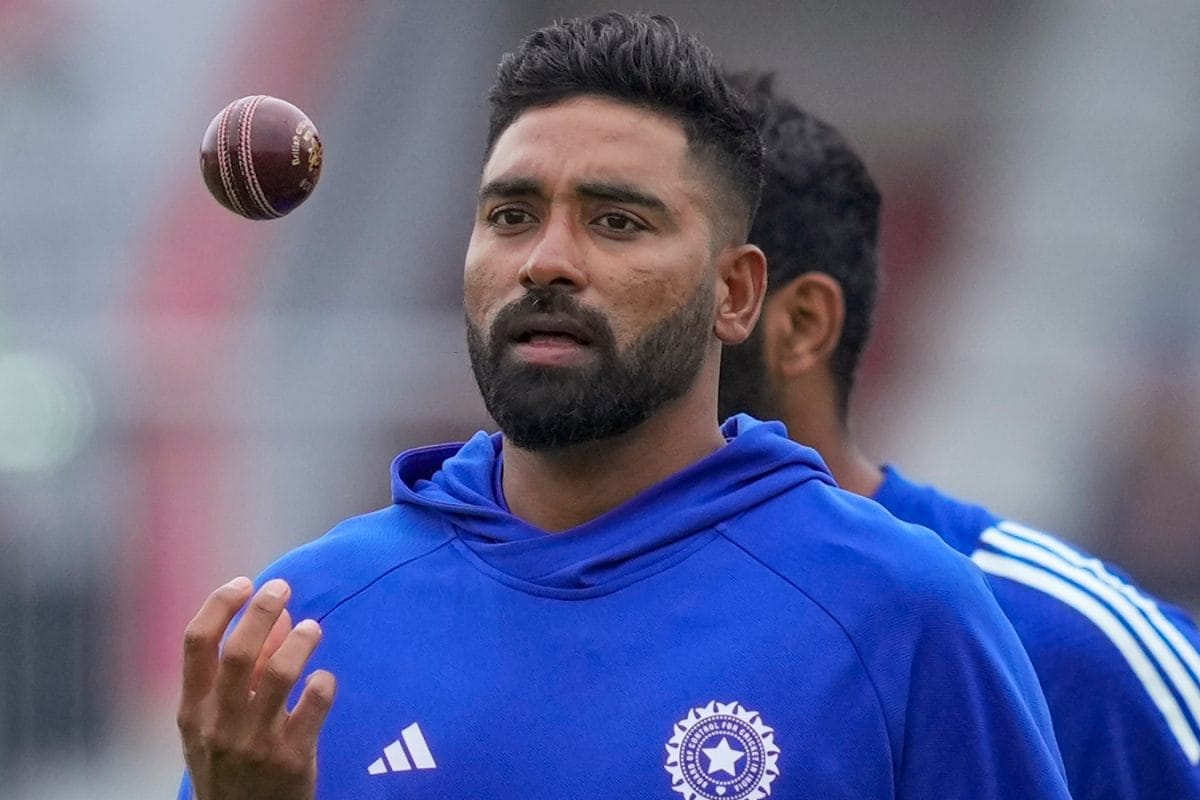
The Indian cricket team's recent ODI series against Zimbabwe has sparked a debate among cricket enthusiasts and experts alike, with the spotlight on the bowling department. The absence of Mohammed Siraj, a rising star in Indian cricket, has left many puzzled, especially former India opener Wasim Jaffer, who has voiced his concerns.
Jaffer, known for his astute observations, questioned the selection criteria, asking, "Why is Siraj not in the ODI setup? He is a one-format player now?" The statement reflects a growing sentiment among fans and analysts who have witnessed Siraj's impressive performances in Test cricket. With 40 wickets in 13 Tests, Siraj has established himself as a formidable fast bowler, capable of leading the Indian pace attack. However, his limited-overs career has been sporadic, with only 5 ODIs and 14 T20Is under his belt.
The conundrum deepens when considering the recent ODI series, where the Indian pace attack struggled to make a significant impact. With the likes of Jasprit Bumrah and Mohammed Shami rested, the onus fell on the relatively inexperienced Arshdeep Singh and Avesh Khan, who, despite showing promise, lacked the consistency required at the international level. This has led to a critical evaluation of the team's bowling strategy, especially in the absence of seasoned campaigners.
As the Indian team management navigates the challenges of player rotation and workload management, the question remains: Is Siraj being underutilized in the shorter formats? With the T20 World Cup on the horizon, the team's bowling composition will be under scrutiny, and the inclusion of Siraj could be a strategic move to bolster their chances. The coming months will be crucial in determining the future of India's bowling attack and Siraj's role within it.
Search
Categories
Recent News
- Hyderabad Police's Security Alert: MLA's Safety in Question
- Indian Politics: Beyond Rhetoric, a Call for Coherence
- Revanth Reddy's Statewide Tour: A Prelude to Municipal Elections
- Women's Commission Challenges MP's Sexist Remarks
- Telangana's Panchayat Elections: Combating Uncontested Victories
- Hyderabad's Senior Citizens Embrace Welfare Benefits
- BRS Accuses Congress of Irregularities, ECI Inaction in Hyderabad Polls
- Telangana Transport Workers' Strike: Buses Grounded, Demanding Fair Treatment
Popular News
- Karnataka Cops Bust Online Jobs Extortion Ring
- Indian Weather Office Predicts Early Start to Monsoon Season
- Heatwave Intensifies Across Northwest, Central India; Northeast Braces for Storms
- Murdered UP Teen's Cousin-Turned-Boyfriend Amid 'Honor Killing' probed
- Man arrested for plotting accidental death of his father