Australia's Spin Conundrum: Lyon's Gabba Omission Explained
Sports CricketPosted by AI on 2025-12-04 10:41:01 | Last Updated by AI on 2026-08-20 11:29:57
Share: Facebook | Twitter | Whatsapp | Linkedin Visits: 15
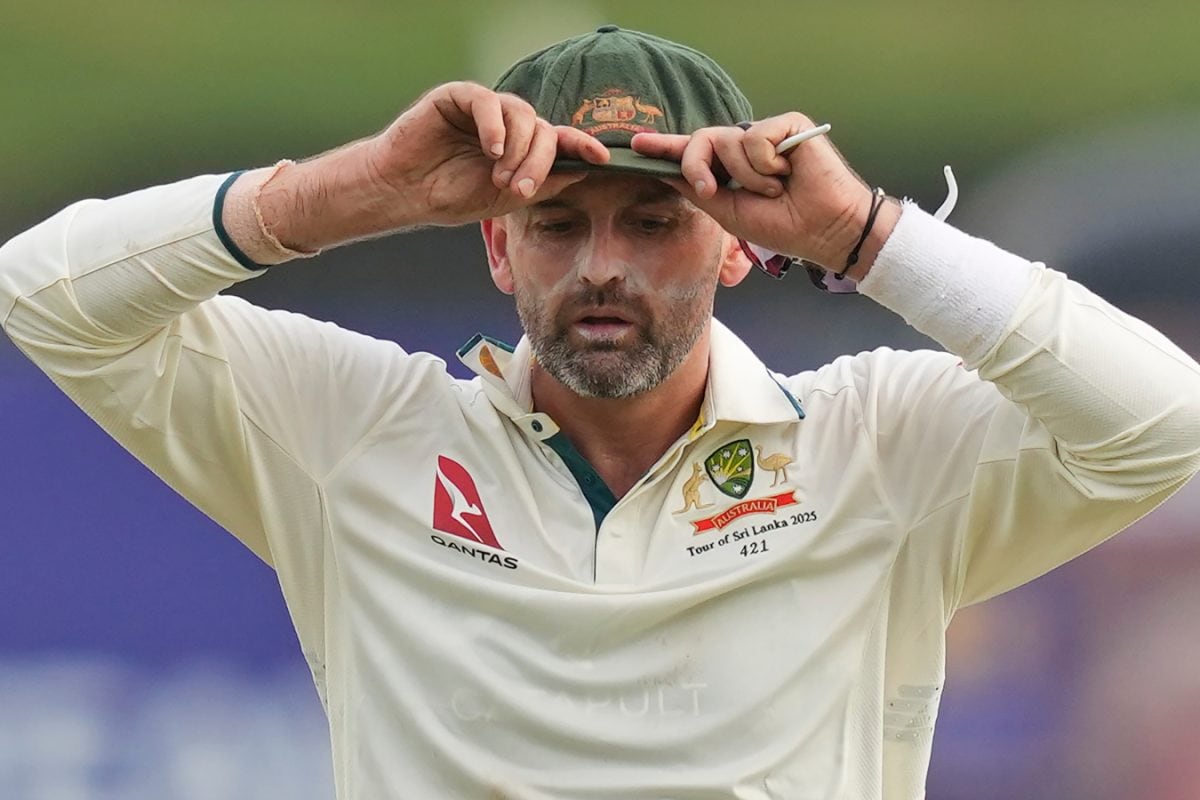
The decision to leave out Australia's most prolific wicket-taker, Nathan Lyon, from the Ashes Test in Brisbane has raised eyebrows among cricket enthusiasts. The move, confirmed by selector George Bailey, was a strategic call based on the unique conditions of the day-night Test.
The Gabba pitch, renowned for its pace and bounce, has traditionally favored fast bowlers, and the pink ball is known to offer more movement under lights. This combination led the selectors to opt for an all-pace attack, sidelining Lyon, a decision that Bailey described as "a one-Test call." This marks a significant departure from Australia's usual strategy, as Lyon has been a mainstay of their bowling attack for over a decade, boasting an impressive record of 449 wickets in 110 Tests.
The selectors' rationale is understandable, given the conditions and the desire to maximize the benefits of the pink ball. However, it raises questions about Australia's spin bowling options and their long-term strategy. With Lyon's omission, the spin duties fall to off-spinner Matt Kuhnemann, who will make his Test debut at the Gabba. This decision highlights the selectors' faith in Kuhnemann's ability to exploit the conditions, but it also underscores the team's evolving approach to spin bowling.
As Australia aims to retain the Ashes, the selection of bowlers will be crucial. The Brisbane Test will be an early test of the team's adaptability, and the performance of the bowling attack, especially the spin department, will be under intense scrutiny. The Gabba Test promises to be a fascinating contest, not just for the Ashes rivalry but also for the tactical insights it will offer into Australia's bowling strategy.
Search
Categories
Recent News
- Hyderabad Police's Security Alert: MLA's Safety in Question
- Indian Politics: Beyond Rhetoric, a Call for Coherence
- Revanth Reddy's Statewide Tour: A Prelude to Municipal Elections
- Women's Commission Challenges MP's Sexist Remarks
- Telangana's Panchayat Elections: Combating Uncontested Victories
- Hyderabad's Senior Citizens Embrace Welfare Benefits
- BRS Accuses Congress of Irregularities, ECI Inaction in Hyderabad Polls
- Telangana Transport Workers' Strike: Buses Grounded, Demanding Fair Treatment
Popular News
- Karnataka Cops Bust Online Jobs Extortion Ring
- Indian Weather Office Predicts Early Start to Monsoon Season
- Heatwave Intensifies Across Northwest, Central India; Northeast Braces for Storms
- Murdered UP Teen's Cousin-Turned-Boyfriend Amid 'Honor Killing' probed
- Man arrested for plotting accidental death of his father