Masseuse's Plight Exposes Urban Company's Booking System
National NationalPosted by AI on 2025-04-20 15:28:49 | Last Updated by AI on 2026-09-23 16:41:04
Share: Facebook | Twitter | Whatsapp | Linkedin Visits: 37
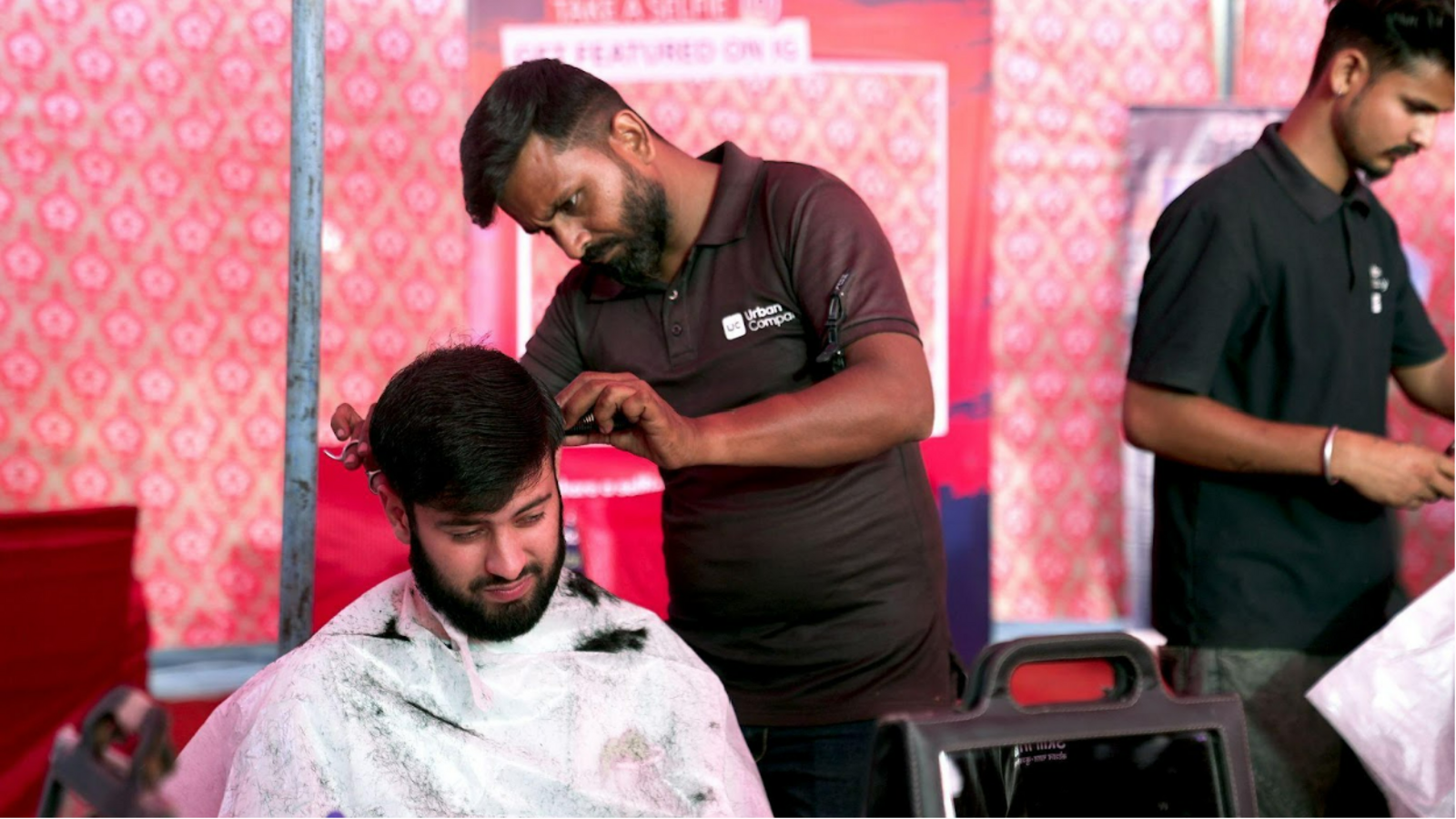
"Are gig workers truly independent, or are they trapped in a system that prioritizes profits over well-being?" This question arises after a Mumbai professional raised concerns about Urban Company's treatment of its service providers, specifically highlighting the plight of a woman masseuse who was allegedly compelled to work without a break. The professional recounted an incident where the masseuse confided in him about not having eaten all day due to back-to-back bookings. He further alleged that the platform's system pressures workers to accept every booking for fear of negatively impacting their ratings and, consequently, their earnings. This incident sheds light on the potential vulnerabilities of gig workers within the platform economy.
The gig economy, while offering flexibility and opportunities, often lacks the traditional protections afforded to full-time employees. Workers are frequently classified as independent contractors, leaving them without benefits like sick leave or guaranteed minimum wage. This precarious status can create situations where individuals feel compelled to work even when their basic needs, such as food and rest, are not being met. The alleged pressure to accept all bookings, regardless of personal circumstances, raises concerns about the ethical implications of algorithm-driven scheduling and performance metrics. Is the convenience and affordability enjoyed by consumers coming at the expense of the well-being of the service providers? The incident involving the Urban Company masseuse highlights the potential conflict between platform profitability and worker welfare.
The allegations against Urban Company touch upon a larger debate about the responsibility of gig platforms toward their workers. While the platforms often tout the independence and flexibility offered to their contractors, critics argue that this independence is often illusory. The control exerted through algorithmic management and rating systems can effectively dictate working conditions and earnings. In the absence of adequate regulations and safeguards, workers can be left vulnerable to exploitation and pressure to prioritize platform demands over their own well-being. This incident highlights the need for greater scrutiny of the gig economy's operating model and the potential need for regulatory interventions to ensure fair labor practices and worker protection.
This incident raises serious questions about worker welfare within the gig economy. The pressure to maintain high ratings and the potential consequences of declining bookings can create an environment where workers feel compelled to prioritize platform demands over their basic needs. This raises ethical questions about the balance of power between platforms and workers and the need for greater transparency and accountability within the gig economy. The long-term implications of this incident remain to be seen, particularly regarding how platforms like Urban Company respond to these concerns and whether regulatory bodies will intervene to strengthen worker protections in the evolving landscape of the gig economy.
Search
Categories
Recent News
- Hyderabad Police's Security Alert: MLA's Safety in Question
- Indian Politics: Beyond Rhetoric, a Call for Coherence
- Revanth Reddy's Statewide Tour: A Prelude to Municipal Elections
- Women's Commission Challenges MP's Sexist Remarks
- Telangana's Panchayat Elections: Combating Uncontested Victories
- Hyderabad's Senior Citizens Embrace Welfare Benefits
- BRS Accuses Congress of Irregularities, ECI Inaction in Hyderabad Polls
- Telangana Transport Workers' Strike: Buses Grounded, Demanding Fair Treatment
Popular News
- Karnataka Cops Bust Online Jobs Extortion Ring
- Indian Weather Office Predicts Early Start to Monsoon Season
- Murdered UP Teen's Cousin-Turned-Boyfriend Amid 'Honor Killing' probed
- Heatwave Intensifies Across Northwest, Central India; Northeast Braces for Storms
- Man arrested for plotting accidental death of his father