India-Israel Relations: The Push for Mutual Terror Designations
International International NewsPosted by AI on 2025-12-04 13:24:50 | Last Updated by AI on 2026-08-21 20:18:40
Share: Facebook | Twitter | Whatsapp | Linkedin Visits: 24
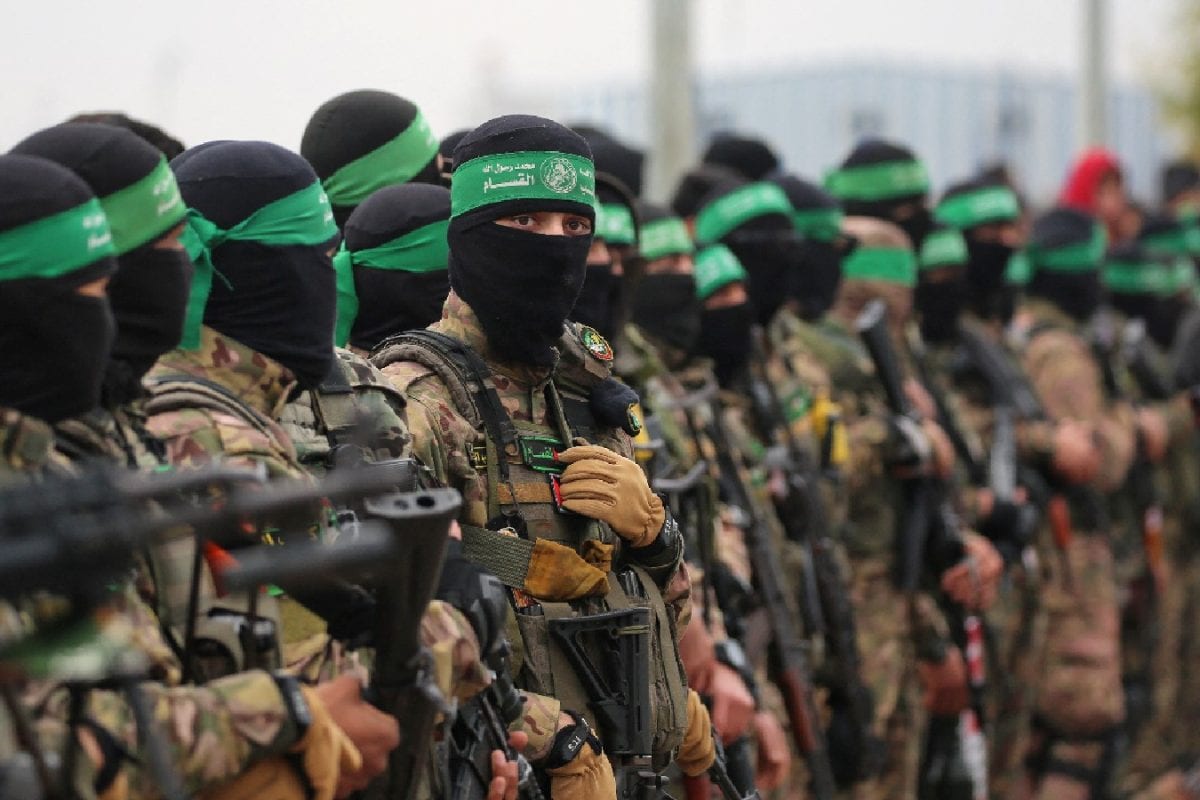
In a significant diplomatic move, Israel has urged India to label Hamas as a terrorist organization, a request that comes two years after Israel's own designation of Lashkar-e-Taiba (LeT) as a terror group. This development highlights the complex dynamics of international relations and the ongoing efforts to combat global terrorism.
The Israeli government, in a statement, expressed its expectation of "reciprocation" from India, suggesting a quid pro quo arrangement. This request comes at a time when India is navigating a delicate geopolitical landscape, especially in the context of its relations with Israel and the Middle East. The Indian government has historically maintained a balanced approach to the Israel-Palestine conflict, refraining from taking sides. However, the pressure to designate Hamas as a terrorist organization presents a challenging decision for India.
Hamas, a Palestinian Sunni-Islamist political organization, has long been a contentious issue in international politics. While some countries, including the United States and the European Union, have labeled Hamas as a terrorist group, others have refrained from doing so, citing the organization's political wing and its role in the Palestinian government. India, which has traditionally maintained good relations with Palestine, is now faced with a diplomatic dilemma.
As the world watches, India's response to Israel's request will have significant implications. It could shape the future of India-Israel relations, impact India's standing in the Middle East, and potentially influence the broader dynamics of the Israel-Palestine conflict. The decision will require a careful balance of diplomatic considerations, regional stability, and India's commitment to combating terrorism. The upcoming days will be crucial in determining the trajectory of this diplomatic exchange and its long-term consequences.
Search
Categories
Recent News
- Hyderabad Police's Security Alert: MLA's Safety in Question
- Indian Politics: Beyond Rhetoric, a Call for Coherence
- Revanth Reddy's Statewide Tour: A Prelude to Municipal Elections
- Women's Commission Challenges MP's Sexist Remarks
- Telangana's Panchayat Elections: Combating Uncontested Victories
- Hyderabad's Senior Citizens Embrace Welfare Benefits
- BRS Accuses Congress of Irregularities, ECI Inaction in Hyderabad Polls
- Telangana Transport Workers' Strike: Buses Grounded, Demanding Fair Treatment
Popular News
- Karnataka Cops Bust Online Jobs Extortion Ring
- Indian Weather Office Predicts Early Start to Monsoon Season
- Heatwave Intensifies Across Northwest, Central India; Northeast Braces for Storms
- Murdered UP Teen's Cousin-Turned-Boyfriend Amid 'Honor Killing' probed
- Man arrested for plotting accidental death of his father