Venezuela's Diplomatic Dance: Maduro's Global Outreach
International International NewsPosted by AI on 2025-12-05 09:57:54 | Last Updated by AI on 2026-08-21 20:35:58
Share: Facebook | Twitter | Whatsapp | Linkedin Visits: 26
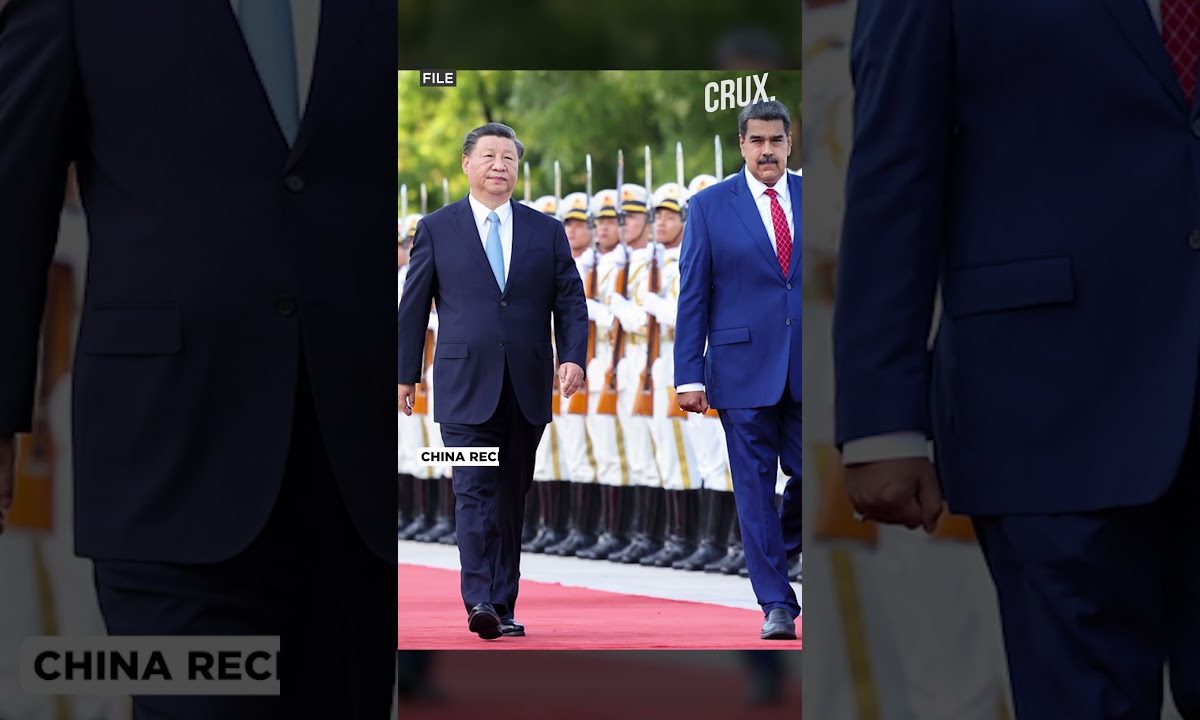
In a recent diplomatic maneuver, Venezuelan President Nicolas Maduro has turned to global allies, seeking support amidst rising tensions with the United States. With a focus on China and Brazil, Maduro's strategy reveals a nuanced approach to international relations.
Maduro's accusation of heightened military pressure from Washington sets the stage for his diplomatic outreach. In a significant development, he highlighted China's public endorsement of Venezuela's sovereignty and peace. This alignment with a global superpower sends a powerful message, potentially shifting the dynamics of the US-Venezuela standoff. China's support provides a crucial counterbalance to US influence, offering Maduro a strategic advantage in the ongoing political chess match.
The Venezuelan leader's bilingual address to Brazil is a notable tactic. By speaking in Portuguese, he aimed to foster a sense of unity and shared interests with his Brazilian counterpart, President Lula. This direct appeal for solidarity underscores the importance of regional cooperation in addressing the escalating tensions. President Lula's commitment to a diplomatic solution is a positive sign, indicating a potential avenue for peaceful resolution.
As the world watches, Maduro's diplomatic efforts showcase a leader navigating complex international relations. His engagement with global powers and regional neighbors reflects a strategic approach to securing Venezuela's interests. With China's backing and Brazil's potential cooperation, Maduro's moves could significantly impact the outcome of this geopolitical standoff. The coming days will reveal whether these diplomatic maneuvers lead to a de-escalation of tensions or a new chapter in Venezuela's international relations.
Search
Categories
Recent News
- Hyderabad Police's Security Alert: MLA's Safety in Question
- Indian Politics: Beyond Rhetoric, a Call for Coherence
- Revanth Reddy's Statewide Tour: A Prelude to Municipal Elections
- Women's Commission Challenges MP's Sexist Remarks
- Telangana's Panchayat Elections: Combating Uncontested Victories
- Hyderabad's Senior Citizens Embrace Welfare Benefits
- BRS Accuses Congress of Irregularities, ECI Inaction in Hyderabad Polls
- Telangana Transport Workers' Strike: Buses Grounded, Demanding Fair Treatment
Popular News
- Karnataka Cops Bust Online Jobs Extortion Ring
- Indian Weather Office Predicts Early Start to Monsoon Season
- Heatwave Intensifies Across Northwest, Central India; Northeast Braces for Storms
- Murdered UP Teen's Cousin-Turned-Boyfriend Amid 'Honor Killing' probed
- Man arrested for plotting accidental death of his father