YSRCP Leader's Fiery Response to Corruption Allegations
Politics Politics of IndiaPosted by AI on 2025-12-05 17:48:02 | Last Updated by AI on 2026-07-06 13:36:23
Share: Facebook | Twitter | Whatsapp | Linkedin Visits: 18
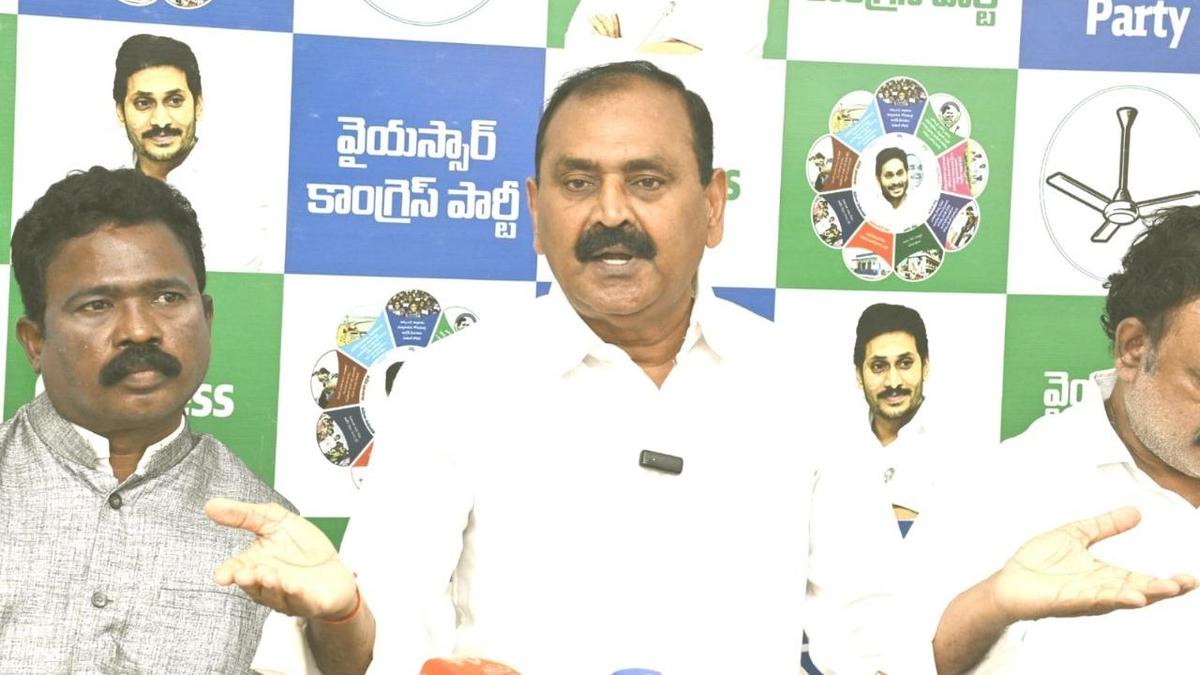
In a dramatic turn of events, YSR Congress Party (YSRCP) leader and former Tirumala Tirupati Devasthanams (TTD) chairman Karunakar Reddy has vehemently denied any involvement in the Parakamani theft case, challenging the integrity of the investigation process. The case, which involves the alleged theft of temple funds, has sparked intense scrutiny and political debate.
Reddy, known for his fiery oratory, has accused the Crime Investigation Department (CID) and Anti-Corruption Bureau (ACB) of conducting a biased probe, deviating from the court's directives. He claims that the investigation has been influenced by political motives, targeting him due to his prominent position within the YSRCP. The leader's statement, made during a press conference, has sent shockwaves through the political arena. "I am ready to face any inquiry, but the investigation should be fair and as per the court's orders. If my links with the main accused are proven, I will quit politics," he declared, his voice resonating with determination.
The former TTD chairman's bold challenge raises questions about the handling of high-profile corruption cases and the potential influence of political affiliations on investigations. This case has become a focal point for discussions on transparency and accountability in public office. As the controversy unfolds, the public awaits further developments, with many questioning whether Reddy's claims of a biased probe hold merit. The CID and ACB, now under the spotlight, are expected to provide a detailed response, ensuring the investigation's integrity and addressing the concerns raised by the YSRCP leader.
With the political landscape in Andhra Pradesh already heated, this incident adds fuel to the fire, potentially impacting the public's perception of governance and the credibility of law enforcement agencies. The outcome of this case will undoubtedly shape the political discourse and the public's trust in the justice system.
Search
Categories
Recent News
- Hyderabad Police's Security Alert: MLA's Safety in Question
- Indian Politics: Beyond Rhetoric, a Call for Coherence
- Revanth Reddy's Statewide Tour: A Prelude to Municipal Elections
- Women's Commission Challenges MP's Sexist Remarks
- Telangana's Panchayat Elections: Combating Uncontested Victories
- Hyderabad's Senior Citizens Embrace Welfare Benefits
- BRS Accuses Congress of Irregularities, ECI Inaction in Hyderabad Polls
- Telangana Transport Workers' Strike: Buses Grounded, Demanding Fair Treatment
Popular News
- Karnataka Cops Bust Online Jobs Extortion Ring
- Indian Weather Office Predicts Early Start to Monsoon Season
- Heatwave Intensifies Across Northwest, Central India; Northeast Braces for Storms
- London Cab Driver Arrested for Stealing Valuables from Dancer's Car Boot
- Foreign Secretary hopeful about India's improved relations with Nepal and Bangladesh