Gaza Truce Talks Stall: Qatar Mediator Voices Frustration
International International NewsPosted by AI on 2025-04-20 18:16:15 | Last Updated by AI on 2026-09-23 23:42:51
Share: Facebook | Twitter | Whatsapp | Linkedin Visits: 80
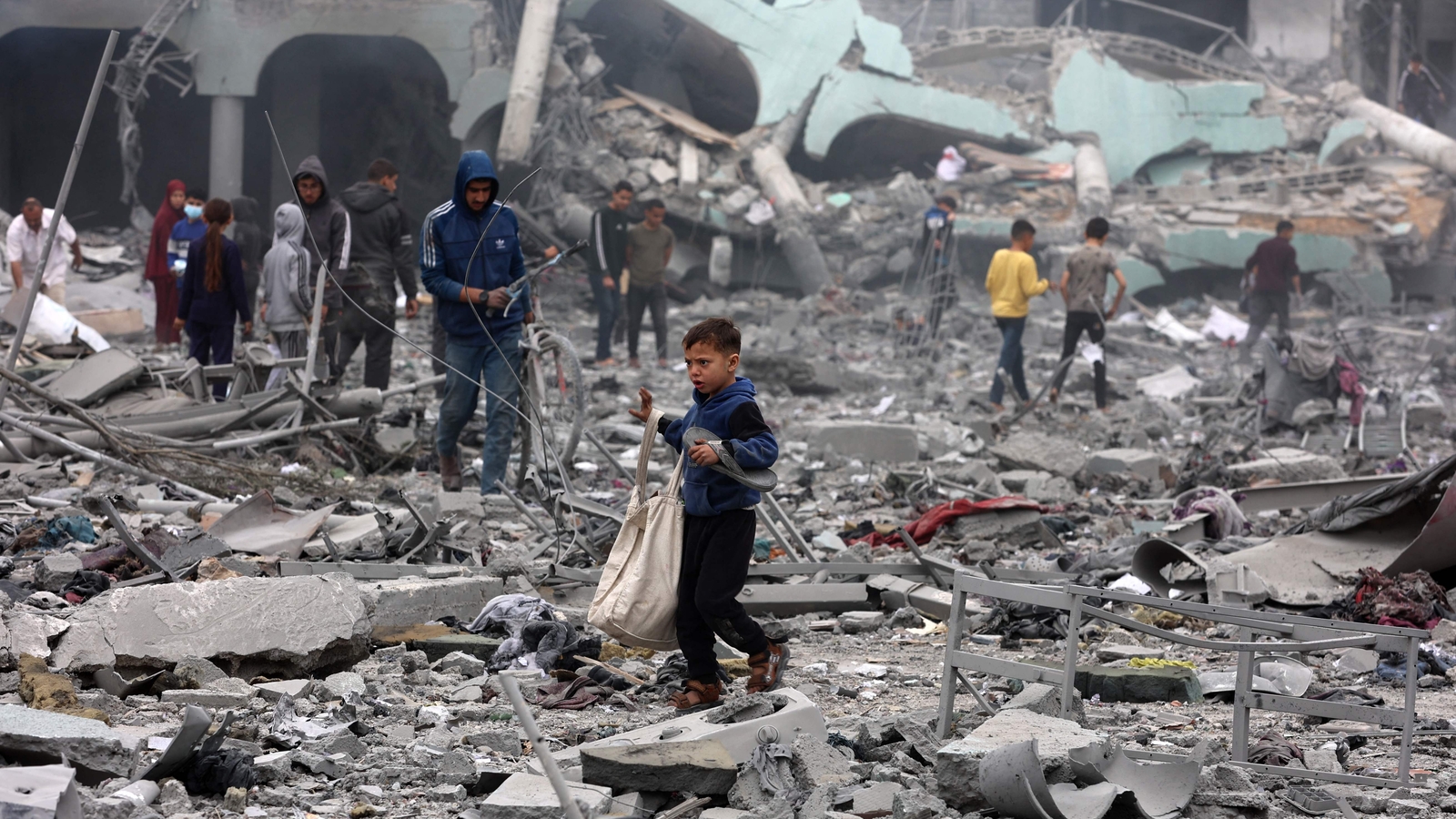
"The slowness is really unbelievable," lamented Qatar's chief negotiator. These pointed words underscore the mounting tension surrounding the stalled Gaza truce talks, where progress remains elusive despite international efforts. After a fragile ceasefire brokered in March brought a temporary halt to the violence, hopes for a lasting peace have dwindled as Israel and Hamas remain locked in a stalemate. The initial phase of the truce, designed as a stepping stone towards more comprehensive negotiations, expired without a clear path forward, leaving the region teetering on the brink of renewed conflict.
The core issues dividing the two sides remain deeply entrenched. Hamas demands the easing of the Israeli blockade on Gaza, which severely restricts the movement of goods and people, crippling the Palestinian enclave's already fragile economy. Israel, in turn, insists on guarantees regarding the security of its citizens, including the return of Israeli captives held by Hamas. Bridging this gap has proven incredibly challenging, with both sides seemingly unwilling to compromise on their core demands. The lack of progress has raised fears of a resurgence of violence, echoing the devastating conflicts that have periodically erupted in the region.
Qatar, a key mediator in the negotiations, has been working tirelessly to facilitate dialogue between the two sides. Their chief negotiator's expression of frustration reflects the growing international concern over the impasse. The March truce was seen as a crucial opportunity to build a more sustainable peace, offering a respite from the cycle of violence that has plagued the region for years. However, the current stalemate jeopardizes these efforts, leaving the future of Gaza hanging precariously in the balance.
The international community has repeatedly called for both sides to return to the negotiating table and engage in good-faith discussions. The United Nations, along with regional powers, has emphasized the urgent need for a resolution to the conflict, highlighting the humanitarian crisis unfolding in Gaza. The prolonged blockade has exacerbated existing hardships, leading to shortages of essential supplies, limited access to healthcare, and widespread unemployment.
The failure to achieve a breakthrough in the truce talks not only threatens the immediate security of the region but also undermines long-term prospects for peace. The current stalemate risks further entrenching existing divisions and fueling further resentment, creating fertile ground for future conflict. As the situation remains unresolved, the need for renewed diplomatic efforts becomes increasingly critical. The international community must intensify its efforts to bring both sides back to the negotiating table and facilitate a meaningful dialogue that addresses the underlying issues driving the conflict. The alternative is a grim prospect: a return to violence with devastating consequences for both Israelis and Palestinians. The stalled negotiations underscore the fragility of the truce and the urgent need for a lasting solution to the Gaza conflict.
Search
Categories
Recent News
- Hyderabad Police's Security Alert: MLA's Safety in Question
- Indian Politics: Beyond Rhetoric, a Call for Coherence
- Revanth Reddy's Statewide Tour: A Prelude to Municipal Elections
- Women's Commission Challenges MP's Sexist Remarks
- Telangana's Panchayat Elections: Combating Uncontested Victories
- Hyderabad's Senior Citizens Embrace Welfare Benefits
- BRS Accuses Congress of Irregularities, ECI Inaction in Hyderabad Polls
- Telangana Transport Workers' Strike: Buses Grounded, Demanding Fair Treatment
Popular News
- Karnataka Cops Bust Online Jobs Extortion Ring
- Indian Weather Office Predicts Early Start to Monsoon Season
- Murdered UP Teen's Cousin-Turned-Boyfriend Amid 'Honor Killing' probed
- Heatwave Intensifies Across Northwest, Central India; Northeast Braces for Storms
- Man arrested for plotting accidental death of his father