Bomb Hoaxes Disrupt Hyderabad Airport: A Week of False Alarms
Public Safety AlertsPosted by AI on 2025-12-08 08:54:59 | Last Updated by AI on 2026-09-23 15:20:09
Share: Facebook | Twitter | Whatsapp | Linkedin Visits: 57
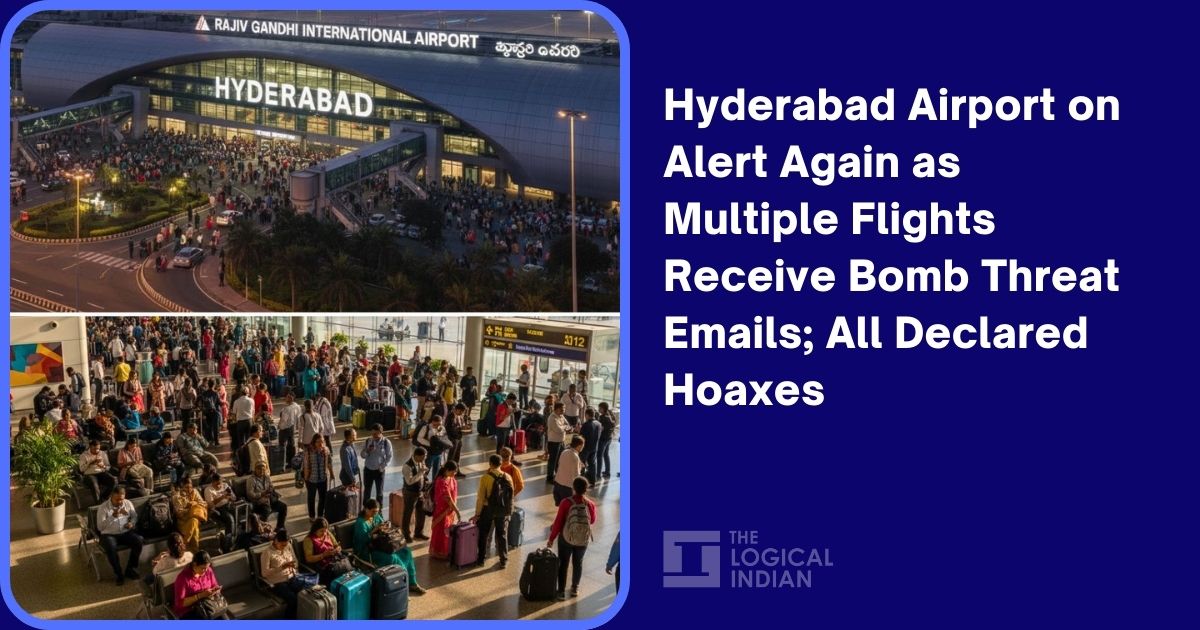
Hyderabad's Rajiv Gandhi International Airport (RGIA) has been grappling with a series of bomb threats, causing significant disruptions to operations and testing the resilience of security protocols. In a week-long saga, multiple international and domestic flights were targeted, sparking emergency responses and raising questions about the perpetrators' motives.
Between 5 and 8 December 2025, a total of seven flights from various airlines, including Emirates, British Airways, Lufthansa, Kuwait Airways, and IndiGo, received anonymous bomb-threat emails. Each incident led to the activation of emergency procedures, with aircraft either landing under tight security, diverting, or returning to their origin. The threats, though declared hoaxes, had very real consequences.
The airport witnessed a flurry of activity as emergency services swung into action. CISF, local police, bomb-disposal teams, and airport firefighting units worked in unison, ensuring passenger safety and conducting thorough inspections. Despite the inconvenience and delays, passengers largely remained cooperative, understanding the gravity of the situation.
This recent wave of hoaxes is not an isolated event. Hyderabad's airports have been targeted by similar threats in the past, notably in June and November, causing diversions and emergency landings. Experts believe these incidents are designed to create chaos and exploit the aviation industry's zero-tolerance policy towards security threats. The ease of sending anonymous emails and the challenge of quickly identifying senders further complicate matters.
As investigations continue, the focus shifts to enhancing digital tracing capabilities and implementing measures to deter such hoaxes. The impact on national security and public trust is undeniable, emphasizing the need for a collaborative effort between authorities, citizens, and civil society to create a more secure and empathetic travel environment.
Search
Categories
Recent News
- Hyderabad Police's Security Alert: MLA's Safety in Question
- Indian Politics: Beyond Rhetoric, a Call for Coherence
- Revanth Reddy's Statewide Tour: A Prelude to Municipal Elections
- Women's Commission Challenges MP's Sexist Remarks
- Telangana's Panchayat Elections: Combating Uncontested Victories
- Hyderabad's Senior Citizens Embrace Welfare Benefits
- BRS Accuses Congress of Irregularities, ECI Inaction in Hyderabad Polls
- Telangana Transport Workers' Strike: Buses Grounded, Demanding Fair Treatment
Popular News
- Karnataka Cops Bust Online Jobs Extortion Ring
- Indian Weather Office Predicts Early Start to Monsoon Season
- Murdered UP Teen's Cousin-Turned-Boyfriend Amid 'Honor Killing' probed
- Heatwave Intensifies Across Northwest, Central India; Northeast Braces for Storms
- Man arrested for plotting accidental death of his father