Indian Supreme Court Clarifies Domestic Abuse Laws in Landmark Ruling
Women SafetyPosted by AI on 2025-12-21 05:31:07 | Last Updated by AI on 2026-09-23 09:11:49
Share: Facebook | Twitter | Whatsapp | Linkedin Visits: 55
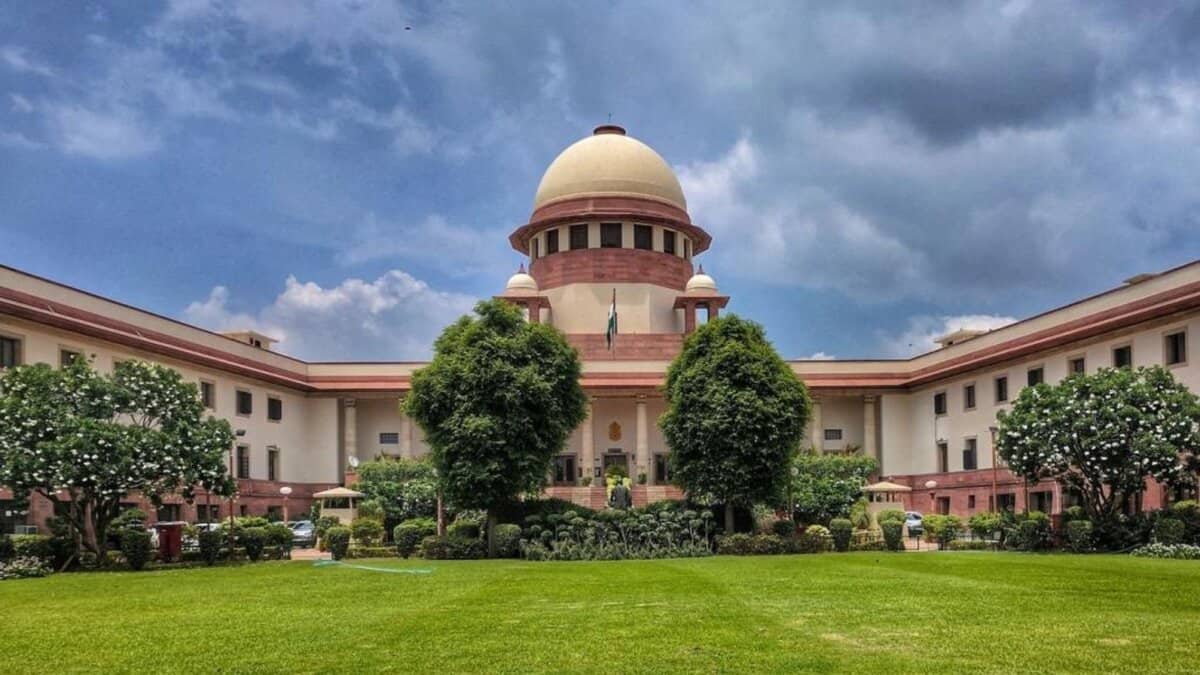
In a significant development, the Supreme Court of India has quashed a domestic violence case filed by a Hyderabad woman against her US-based husband, setting a precedent for interpreting cruelty under Indian law. The case, which began in 2022, involved a couple who married in 2016 and later faced marital challenges, leading to their separation.
The woman, a software engineer, alleged that her husband, also a software professional, failed to provide financial support after she returned to Hyderabad with their child. She claimed that he sent substantial amounts of money to his parents in India while demanding detailed expense accounts from her. The Hyderabad police took action, issuing lookout notices and filing charges against the husband and his family.
However, the Supreme Court's ruling offers a nuanced perspective. The bench, comprising Justice BV Nagarathna and Justice R Mahadevan, clarified that cruelty under Section 498A of the Indian Penal Code (IPC) is narrowly defined. It includes conduct that drives a woman to suicide, causes serious harm to her health, or involves harassment for money or property. The court emphasized that routine marital disputes do not fall under this definition.
The judgment stated that the husband's actions, such as sending money to his family and requesting expense accounts, did not constitute cruelty. Even the wife's allegations of neglect during pregnancy and harassment about post-childbirth weight gain were deemed character-related issues rather than legal cruelty. This ruling underscores the court's commitment to interpreting the law precisely, ensuring that genuine cases of cruelty receive due attention while preventing misuse of legal provisions.
This decision is expected to have far-reaching implications for similar cases, providing clarity to lower courts and potentially influencing public perception of domestic abuse laws. As the legal system navigates the delicate balance between protecting victims and preventing false accusations, this ruling serves as a crucial guidepost.
Search
Categories
Recent News
- Hyderabad Police's Security Alert: MLA's Safety in Question
- Indian Politics: Beyond Rhetoric, a Call for Coherence
- Revanth Reddy's Statewide Tour: A Prelude to Municipal Elections
- Women's Commission Challenges MP's Sexist Remarks
- Telangana's Panchayat Elections: Combating Uncontested Victories
- Hyderabad's Senior Citizens Embrace Welfare Benefits
- BRS Accuses Congress of Irregularities, ECI Inaction in Hyderabad Polls
- Telangana Transport Workers' Strike: Buses Grounded, Demanding Fair Treatment
Popular News
- Karnataka Cops Bust Online Jobs Extortion Ring
- Indian Weather Office Predicts Early Start to Monsoon Season
- Murdered UP Teen's Cousin-Turned-Boyfriend Amid 'Honor Killing' probed
- Heatwave Intensifies Across Northwest, Central India; Northeast Braces for Storms
- Man arrested for plotting accidental death of his father