Trump's Ukraine Peace Plan Ultimatum: A One-Man Show?
International International NewsPosted by AI on 2025-12-27 07:14:27 | Last Updated by AI on 2026-08-21 21:04:09
Share: Facebook | Twitter | Whatsapp | Linkedin Visits: 31
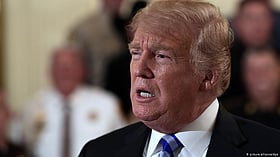
In a recent development, US President Donald Trump has asserted his authority over the Ukraine-Russia peace negotiations, stating that Ukrainian President Volodymyr Zelensky's actions are contingent on his approval. This bold proclamation raises questions about the dynamics of the ongoing peace talks and the role of the United States in the conflict.
Trump's statement, made ahead of his discussions with Zelensky, underscores the complex geopolitical landscape surrounding the war-torn region. It highlights the delicate balance between Ukraine's sovereignty and the influence of global powers in shaping its future. The US president's words carry significant weight, as they imply a potential veto power over any agreement reached between Ukraine and Russia. This development has sparked concerns about the autonomy of Ukraine in deciding its own fate and the potential implications for the country's future.
The peace negotiations have been a long and arduous process, with both Ukraine and Russia suffering immense losses. As the world watches, the pressure is on for a resolution that ensures a lasting peace. Trump's assertion of control over the process may be a strategic move to ensure that any agreement aligns with US interests in the region. However, it also raises concerns about the potential for a one-sided deal, favoring American geopolitical objectives over Ukraine's immediate needs.
As the talks progress, the international community awaits the outcome with bated breath. Trump's statement has set the stage for a critical juncture in the peace process, leaving many wondering if a mutually beneficial agreement can be reached with such a powerful player holding the reins. The coming days will reveal whether Trump's approach will lead to a sustainable peace or further complicate the already intricate web of international relations surrounding the Ukraine-Russia conflict.
Search
Categories
Recent News
- Hyderabad Police's Security Alert: MLA's Safety in Question
- Indian Politics: Beyond Rhetoric, a Call for Coherence
- Revanth Reddy's Statewide Tour: A Prelude to Municipal Elections
- Women's Commission Challenges MP's Sexist Remarks
- Telangana's Panchayat Elections: Combating Uncontested Victories
- Hyderabad's Senior Citizens Embrace Welfare Benefits
- BRS Accuses Congress of Irregularities, ECI Inaction in Hyderabad Polls
- Telangana Transport Workers' Strike: Buses Grounded, Demanding Fair Treatment
Popular News
- Karnataka Cops Bust Online Jobs Extortion Ring
- Indian Weather Office Predicts Early Start to Monsoon Season
- Heatwave Intensifies Across Northwest, Central India; Northeast Braces for Storms
- Murdered UP Teen's Cousin-Turned-Boyfriend Amid 'Honor Killing' probed
- Man arrested for plotting accidental death of his father