Nuclear Brinkmanship: Russia's Oreshnik Missiles in Belarus
International International NewsPosted by AI on 2025-12-27 07:37:16 | Last Updated by AI on 2026-08-21 21:03:32
Share: Facebook | Twitter | Whatsapp | Linkedin Visits: 13
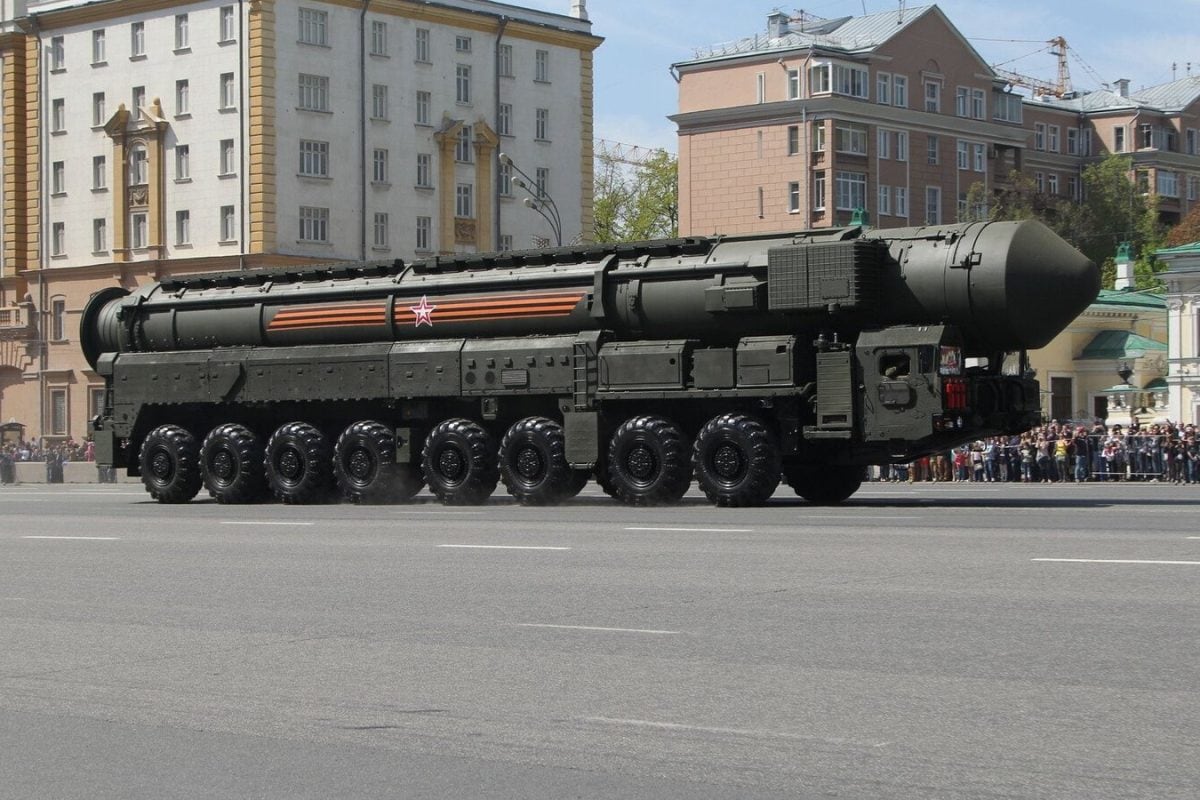
In a move that has sent shockwaves through the international community, Russia is reportedly positioning its advanced Oreshnik hypersonic missiles in Belarus, a development that significantly escalates tensions with NATO. This deployment, according. to US researchers, is taking place at a former airbase near Krichev, a strategic location that underscores Russia's intent to bolster its nuclear deterrence capabilities and send a powerful political message.
The Oreshnik missile system is a formidable addition to Russia's arsenal, capable of delivering both conventional and nuclear payloads at hypersonic speeds, making interception extremely challenging. This deployment marks a significant shift in Russia's military posture, especially given the current geopolitical climate. With tensions high between Russia and NATO, this move is likely to be interpreted as a direct challenge to the alliance's eastern flank. The proximity of Belarus to several NATO members, including Poland and the Baltic states, raises concerns about the potential for rapid escalation in the event of a conflict.
The strategic implications are profound. By stationing these missiles in Belarus, Russia gains a forward operating base from which it can project power and potentially threaten key European cities and military installations. This not only enhances Russia's ability to deter perceived threats but also provides a powerful bargaining chip in any future negotiations. The move is likely to spark intense diplomatic activity, with NATO allies seeking to reinforce their defenses and reassess their strategies in the region.
As the world watches with bated breath, the deployment of Oreshnik missiles in Belarus serves as a stark reminder of the delicate balance of power in Europe and the ever-present potential for conflict. This development underscores the urgent need for diplomatic solutions to de-escalate tensions and find a path towards peaceful coexistence.
Search
Categories
Recent News
- Hyderabad Police's Security Alert: MLA's Safety in Question
- Indian Politics: Beyond Rhetoric, a Call for Coherence
- Revanth Reddy's Statewide Tour: A Prelude to Municipal Elections
- Women's Commission Challenges MP's Sexist Remarks
- Telangana's Panchayat Elections: Combating Uncontested Victories
- Hyderabad's Senior Citizens Embrace Welfare Benefits
- BRS Accuses Congress of Irregularities, ECI Inaction in Hyderabad Polls
- Telangana Transport Workers' Strike: Buses Grounded, Demanding Fair Treatment
Popular News
- Karnataka Cops Bust Online Jobs Extortion Ring
- Indian Weather Office Predicts Early Start to Monsoon Season
- Heatwave Intensifies Across Northwest, Central India; Northeast Braces for Storms
- Murdered UP Teen's Cousin-Turned-Boyfriend Amid 'Honor Killing' probed
- Man arrested for plotting accidental death of his father