DMK Official Accused of Abusive Behavior in Public Dispute
Politics Politics of IndiaPosted by AI on 2025-12-27 12:26:12 | Last Updated by AI on 2026-07-06 15:01:34
Share: Facebook | Twitter | Whatsapp | Linkedin Visits: 30
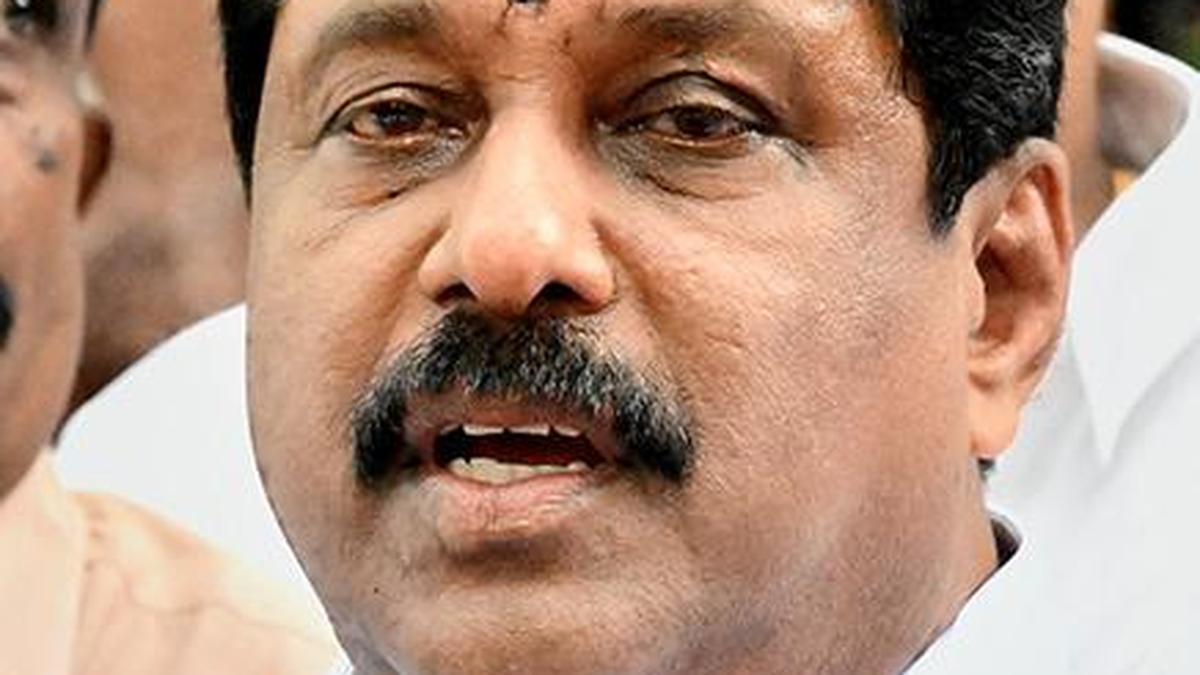
A recent social media post by Nainar Nagenthran, a concerned citizen, has sparked controversy and calls for action against a local DMK functionary. The post sheds light on a disturbing incident where the DMK's 63rd ward secretary from Chepauk allegedly resorted to an informal and potentially unlawful method of dispute resolution, known as a "katta panchayat," to settle a quarrel.
The video footage, which has since gone viral, reveals a tense scene. The DMK official, in a heated exchange, is seen engaging in a verbal altercation with members of the public. The language used by the functionary was reportedly abusive and unbecoming of a political representative, raising concerns about his conduct and the potential misuse of power. This incident has brought to light the broader issue of the prevalence of such informal justice systems and the need for proper dispute resolution mechanisms.
Mr. Nagenthran's post has prompted a swift response from the public, with many demanding accountability and disciplinary action. The incident highlights the importance of maintaining decorum and ethical behavior among political functionaries, especially when dealing with public matters. As the video continues to circulate, the DMK leadership is expected to address the matter, ensuring that such behavior is not condoned and that public trust in the political system remains intact.
The incident serves as a reminder that political officials, regardless of their party affiliation, must uphold the highest standards of conduct and respect for the law. With the public's scrutiny and demand for transparency, the DMK will need to take swift and appropriate action to address this incident and maintain the integrity of their party. The outcome of this situation will undoubtedly shape public perception and trust in the political process.
Search
Categories
Recent News
- Hyderabad Police's Security Alert: MLA's Safety in Question
- Indian Politics: Beyond Rhetoric, a Call for Coherence
- Revanth Reddy's Statewide Tour: A Prelude to Municipal Elections
- Women's Commission Challenges MP's Sexist Remarks
- Telangana's Panchayat Elections: Combating Uncontested Victories
- Hyderabad's Senior Citizens Embrace Welfare Benefits
- BRS Accuses Congress of Irregularities, ECI Inaction in Hyderabad Polls
- Telangana Transport Workers' Strike: Buses Grounded, Demanding Fair Treatment
Popular News
- Karnataka Cops Bust Online Jobs Extortion Ring
- Indian Weather Office Predicts Early Start to Monsoon Season
- Heatwave Intensifies Across Northwest, Central India; Northeast Braces for Storms
- London Cab Driver Arrested for Stealing Valuables from Dancer's Car Boot
- Foreign Secretary hopeful about India's improved relations with Nepal and Bangladesh