Bangladesh Mourns: The Legacy of Khaleda Zia
International International NewsPosted by AI on 2025-12-30 14:37:31 | Last Updated by AI on 2026-08-21 21:23:31
Share: Facebook | Twitter | Whatsapp | Linkedin Visits: 11
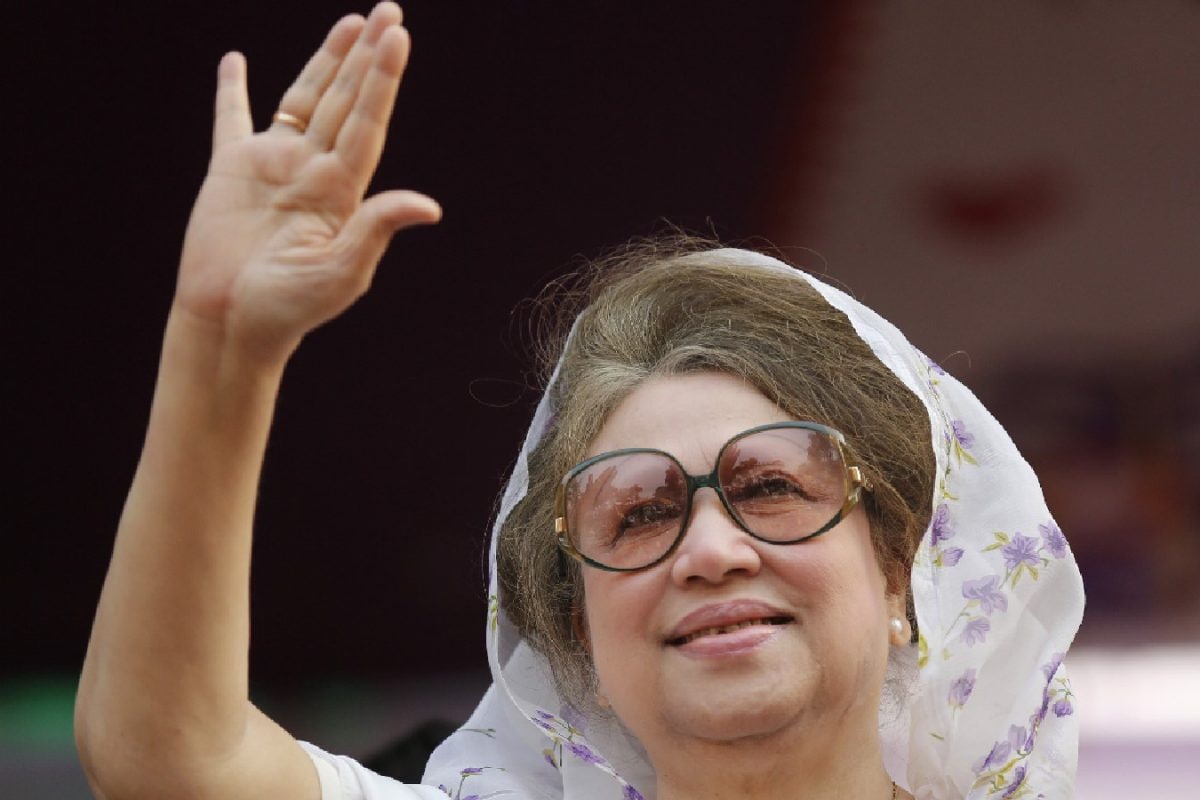
The nation of Bangladesh is in mourning as it bids farewell to one of its most influential political figures, Khaleda Zia. The former Prime Minister and chairperson of the Bangladesh Nationalist Party (BNP) passed away at the age of 80, leaving behind a profound impact on the country's political landscape.
Zia's political journey was a remarkable one, marked by numerous achievements and challenges. She served as the first female Prime Minister of Bangladesh from 1991 to 1996 and again from 2001 to 2006, becoming a symbol of female empowerment in a predominantly male-dominated political arena. Her leadership was characterized by a focus on economic development, poverty alleviation, and the empowerment of women and minorities. Zia's government implemented various initiatives to improve the lives of the underprivileged, including the establishment of microcredit programs and the expansion of education and healthcare facilities.
The news of her death has sparked an outpouring of grief and tributes from across the political spectrum. The current government has declared a state funeral, with Indian External Affairs Minister S. Jaishankar set to attend, showcasing the respect and admiration Zia garnered internationally. The BNP has announced seven days of mourning, a testament to her significance within the party and the nation.
As Bangladesh prepares for the final farewell, the country reflects on Zia's legacy. Her contributions to the nation's progress and her role in shaping Bangladesh's political identity will be remembered. The funeral proceedings will not only be a time for mourning but also an opportunity to celebrate a life dedicated to public service and the betterment of her country. The impact of her leadership will undoubtedly continue to resonate, inspiring future generations of leaders and citizens alike.
Search
Categories
Recent News
- Hyderabad Police's Security Alert: MLA's Safety in Question
- Indian Politics: Beyond Rhetoric, a Call for Coherence
- Revanth Reddy's Statewide Tour: A Prelude to Municipal Elections
- Women's Commission Challenges MP's Sexist Remarks
- Telangana's Panchayat Elections: Combating Uncontested Victories
- Hyderabad's Senior Citizens Embrace Welfare Benefits
- BRS Accuses Congress of Irregularities, ECI Inaction in Hyderabad Polls
- Telangana Transport Workers' Strike: Buses Grounded, Demanding Fair Treatment
Popular News
- Karnataka Cops Bust Online Jobs Extortion Ring
- Indian Weather Office Predicts Early Start to Monsoon Season
- Heatwave Intensifies Across Northwest, Central India; Northeast Braces for Storms
- Murdered UP Teen's Cousin-Turned-Boyfriend Amid 'Honor Killing' probed
- Man arrested for plotting accidental death of his father