Punjab Assembly's Unanimous Stand: MGNREGA Must Be Restored
Politics Politics of IndiaPosted by AI on 2025-12-30 16:44:05 | Last Updated by AI on 2026-07-06 15:42:21
Share: Facebook | Twitter | Whatsapp | Linkedin Visits: 12
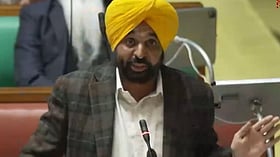
In a bold move, the Punjab Assembly unanimously passed a resolution demanding the full restoration of the Mahatma Gandhi National Rural Employment Guarantee Act (MGNREGA), a crucial scheme for rural employment. The resolution, passed without any opposition, accused the BJP-led central government of a "deliberate conspiracy" aimed at depriving Dalit and impoverished laborers of their livelihoods.
The Assembly's decision comes amidst growing concerns over the recent amendments to the MGNREGA, which have sparked widespread protests and criticism from various quarters. The central government's move to reduce the number of workdays guaranteed under the scheme from 100 to 75 has been met with outrage, particularly in rural areas where the program is a lifeline for many. The Punjab Assembly's resolution highlights the potential impact of these changes on the state's vulnerable population, stating that it "will push the poor and Dalit labourers into the jaws of poverty and hunger."
The debate in the Assembly was intense, with members across party lines expressing their solidarity with the rural poor. MLA Baldev Singh, while supporting the resolution, emphasized the scheme's importance in empowering women and marginalized communities. He stated, "MGNREGA is not just a job guarantee program; it is a tool for social and economic empowerment, especially for women and Dalits, who have historically faced discrimination and exclusion."
With the Punjab Assembly's unanimous decision, the state has sent a strong message to the central government, demanding the reversal of the amendments and the restoration of the original MGNREGA provisions. The resolution's impact is expected to resonate beyond Punjab, as other states grapple with the implications of the amended MGNREGA and the potential consequences for their rural populations. The coming days will likely see further developments as the central government responds to the growing pressure to address this critical issue affecting millions of rural Indians.
Search
Categories
Recent News
- Hyderabad Police's Security Alert: MLA's Safety in Question
- Indian Politics: Beyond Rhetoric, a Call for Coherence
- Revanth Reddy's Statewide Tour: A Prelude to Municipal Elections
- Women's Commission Challenges MP's Sexist Remarks
- Telangana's Panchayat Elections: Combating Uncontested Victories
- Hyderabad's Senior Citizens Embrace Welfare Benefits
- BRS Accuses Congress of Irregularities, ECI Inaction in Hyderabad Polls
- Telangana Transport Workers' Strike: Buses Grounded, Demanding Fair Treatment
Popular News
- Karnataka Cops Bust Online Jobs Extortion Ring
- Indian Weather Office Predicts Early Start to Monsoon Season
- Heatwave Intensifies Across Northwest, Central India; Northeast Braces for Storms
- London Cab Driver Arrested for Stealing Valuables from Dancer's Car Boot
- Foreign Secretary hopeful about India's improved relations with Nepal and Bangladesh