Gulf Tensions Escalate: UAE Denies Arming Yemen Separatists
International International NewsPosted by AI on 2025-12-30 17:52:59 | Last Updated by AI on 2026-08-21 21:34:02
Share: Facebook | Twitter | Whatsapp | Linkedin Visits: 13
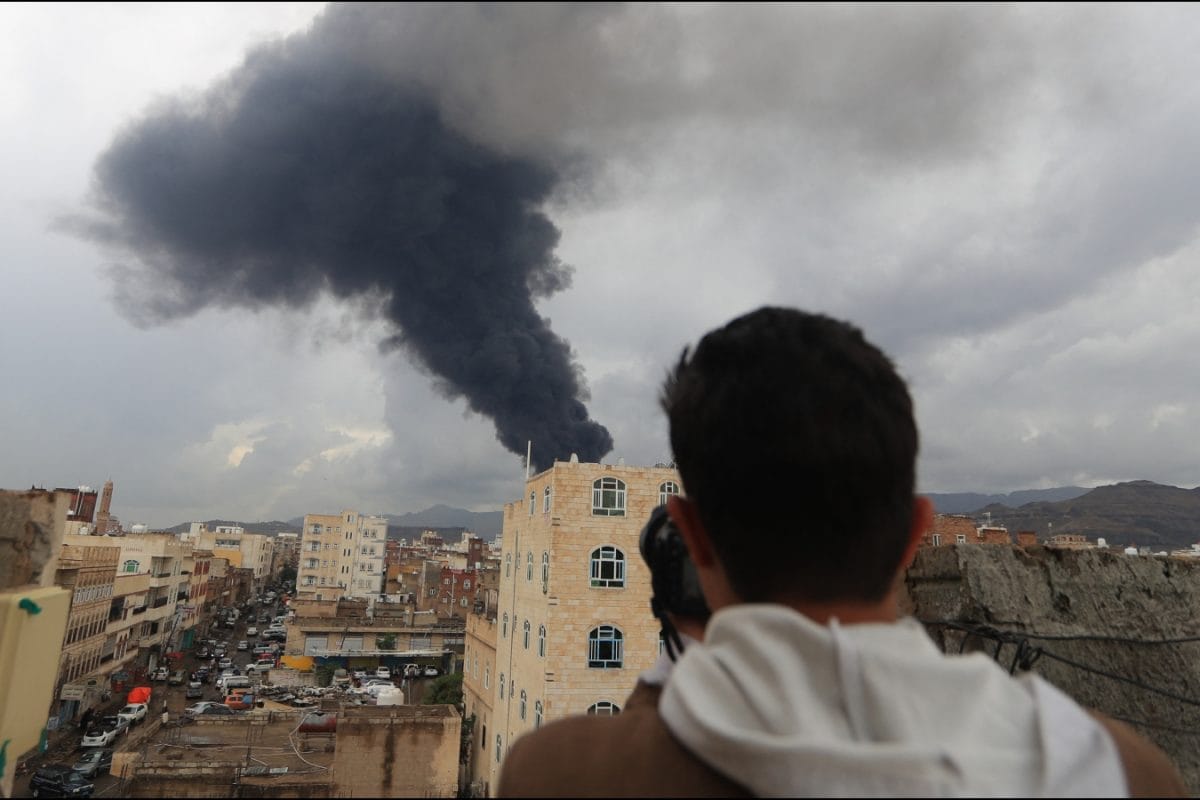
The United Arab Emirates (UAE) has vehemently denied accusations made by Saudi Arabia regarding its alleged support for Yemen's southern separatists, marking a significant escalation in the rift between the two Gulf allies. This dispute comes in the wake of recent strikes at Mukalla Port, which Saudi officials claim pose a direct threat to their national security.
In a statement, the UAE Ministry of Foreign Affairs refuted the claims, stating, "We categorically deny the baseless accusations made by Saudi Arabia. The UAE has always been a strong advocate for the stability and unity of Yemen and has never taken any steps that could undermine these principles." The ministry emphasized that their actions in Yemen have solely aimed to combat terrorism and support the legitimate government.
The tension between the two countries has been building since the UAE-backed Southern Transitional Council (STC) seized control of the strategic city of Aden and other southern provinces in Yemen. Saudi Arabia, which has been leading a military coalition against the Houthi rebels, views the UAE's support for the STC as a challenge to its authority and a potential threat to Yemen's territorial integrity.
As the rift widens, the implications for the region's stability are concerning. The Saudi-led coalition, which includes the UAE, has been a significant force in Yemen's civil war, fighting against the Iran-aligned Houthis. Any internal divisions within this alliance could impact the conflict's trajectory and potentially open new fronts of instability in an already fragile region. With both countries doubling down on their positions, the situation demands careful diplomacy to prevent further deterioration of Gulf relations and to ensure the focus remains on resolving Yemen's protracted crisis.
Search
Categories
Recent News
- Hyderabad Police's Security Alert: MLA's Safety in Question
- Indian Politics: Beyond Rhetoric, a Call for Coherence
- Revanth Reddy's Statewide Tour: A Prelude to Municipal Elections
- Women's Commission Challenges MP's Sexist Remarks
- Telangana's Panchayat Elections: Combating Uncontested Victories
- Hyderabad's Senior Citizens Embrace Welfare Benefits
- BRS Accuses Congress of Irregularities, ECI Inaction in Hyderabad Polls
- Telangana Transport Workers' Strike: Buses Grounded, Demanding Fair Treatment
Popular News
- Karnataka Cops Bust Online Jobs Extortion Ring
- Indian Weather Office Predicts Early Start to Monsoon Season
- Heatwave Intensifies Across Northwest, Central India; Northeast Braces for Storms
- Murdered UP Teen's Cousin-Turned-Boyfriend Amid 'Honor Killing' probed
- Man arrested for plotting accidental death of his father