Pakistan's Diplomatic Push: Sharif's UAE Visit Amid Regional Tensions
International International NewsPosted by AI on 2025-12-30 17:56:00 | Last Updated by AI on 2026-08-21 21:33:53
Share: Facebook | Twitter | Whatsapp | Linkedin Visits: 10
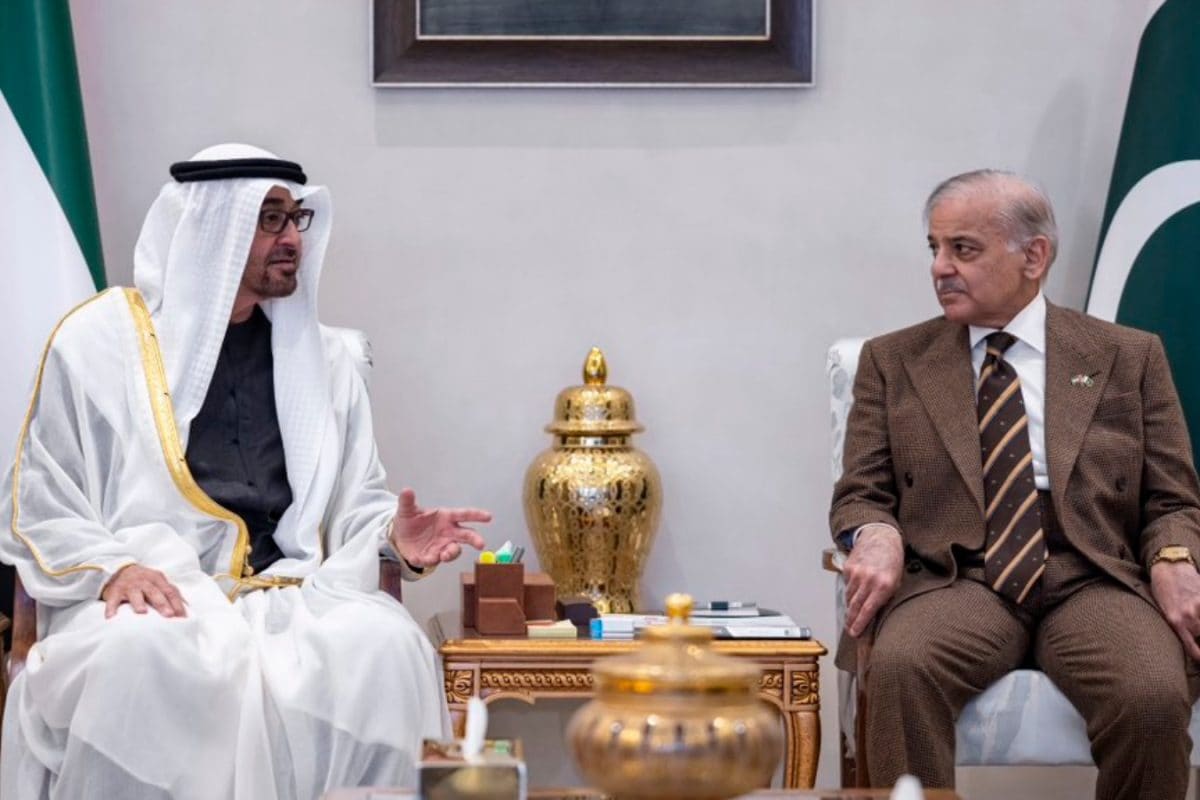
In a significant diplomatic move, Pakistan's Prime Minister Shehbaz Sharif met with the President of the United Arab Emirates (UAE), marking a potential turning point in the region's geopolitical landscape. This high-level engagement comes at a time when Pakistan is actively seeking to play a mediating role in the Middle East, as confirmed by a source close to the matter.
The meeting, which took place in Abu Dhabi, signifies a strategic shift in Pakistan's foreign policy, aiming to foster stronger ties with the UAE and other Gulf nations. With the region's political climate becoming increasingly complex, Pakistan's leadership is taking a proactive approach to regional diplomacy. A source revealed to CNN-News18 that Pakistan is keen to facilitate dialogue and ease tensions between regional powers, a challenging task given the historical and political intricacies of Middle Eastern politics.
Sharif's visit to the UAE is a clear indication of his government's commitment to this cause. The Prime Minister's Office has stated that the discussions focused on bilateral relations, regional security, and economic cooperation. This engagement is particularly noteworthy as the UAE, a key player in the region, has been actively involved in various diplomatic initiatives, including the recent Israel-Palestine conflict.
As Pakistan navigates its role as a mediator, the success of its efforts will have significant implications for regional stability. The country's ability to foster dialogue and understanding between nations could potentially pave the way for a more peaceful and cooperative Middle East. With Sharif's UAE visit setting the tone, the world awaits the outcome of Pakistan's diplomatic endeavors, which may shape the future of this volatile region.
Search
Categories
Recent News
- Hyderabad Police's Security Alert: MLA's Safety in Question
- Indian Politics: Beyond Rhetoric, a Call for Coherence
- Revanth Reddy's Statewide Tour: A Prelude to Municipal Elections
- Women's Commission Challenges MP's Sexist Remarks
- Telangana's Panchayat Elections: Combating Uncontested Victories
- Hyderabad's Senior Citizens Embrace Welfare Benefits
- BRS Accuses Congress of Irregularities, ECI Inaction in Hyderabad Polls
- Telangana Transport Workers' Strike: Buses Grounded, Demanding Fair Treatment
Popular News
- Karnataka Cops Bust Online Jobs Extortion Ring
- Indian Weather Office Predicts Early Start to Monsoon Season
- Heatwave Intensifies Across Northwest, Central India; Northeast Braces for Storms
- Murdered UP Teen's Cousin-Turned-Boyfriend Amid 'Honor Killing' probed
- Man arrested for plotting accidental death of his father