Australia's T20 Squad: Why Mitchell Starc Misses Out
Sports CricketPosted by AI on 2026-01-01 02:48:18 | Last Updated by AI on 2026-08-20 07:30:26
Share: Facebook | Twitter | Whatsapp | Linkedin Visits: 34
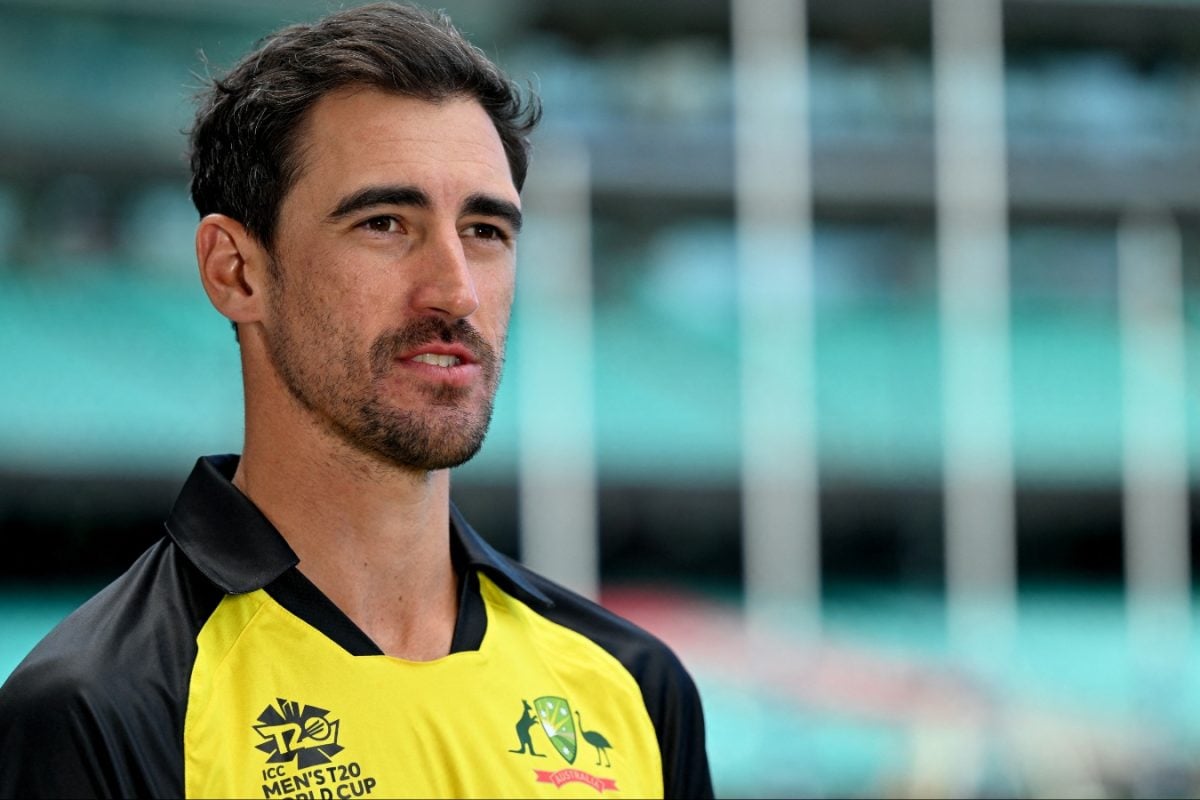
The Australian cricket team has raised eyebrows with its recent squad selection for the 2026 T20 World Cup, leaving out one of its most prolific wicket-takers, Mitchell Starc. This decision has sparked curiosity and debate among cricket enthusiasts, especially given Starc's impressive record in the shortest format of the game. With 79 wickets in 65 T20 International matches, Starc is Australia's joint second-highest wicket-taker, a stat that demands attention and begs the question: Why has he been omitted?
The selection committee's rationale may lie in the team's strategy for the tournament. T20 cricket is a format where adaptability and versatility are key. The squad seems to prioritize all-rounders and players with diverse skill sets. The likes of Marcus Stoinis and Glenn Maxwell, who offer both bowling and batting prowess, could be favored for their ability to provide depth in multiple departments. This approach is not uncommon in T20 cricket, where the unpredictable nature of the game often rewards teams with a well-rounded skill set.
Despite Starc's undeniable talent, his recent form might also have influenced the decision. The left-arm fast bowler has been a mainstay in Australia's Test and ODI teams, but his T20 appearances have been more sporadic. In a format where innovation and variation are prized, selectors may have opted for bowlers with a more diverse range of skills or those who have excelled consistently in the T20 arena.
As Australia gears up for the T20 World Cup, the squad's composition reflects a strategic choice, prioritizing versatility over individual records. While Starc's absence is notable, the team's success in the tournament will ultimately determine the wisdom of this selection, leaving fans and critics alike eagerly awaiting the outcome.
Search
Categories
Recent News
- Hyderabad Police's Security Alert: MLA's Safety in Question
- Indian Politics: Beyond Rhetoric, a Call for Coherence
- Revanth Reddy's Statewide Tour: A Prelude to Municipal Elections
- Women's Commission Challenges MP's Sexist Remarks
- Telangana's Panchayat Elections: Combating Uncontested Victories
- Hyderabad's Senior Citizens Embrace Welfare Benefits
- BRS Accuses Congress of Irregularities, ECI Inaction in Hyderabad Polls
- Telangana Transport Workers' Strike: Buses Grounded, Demanding Fair Treatment
Popular News
- Karnataka Cops Bust Online Jobs Extortion Ring
- Indian Weather Office Predicts Early Start to Monsoon Season
- Heatwave Intensifies Across Northwest, Central India; Northeast Braces for Storms
- Murdered UP Teen's Cousin-Turned-Boyfriend Amid 'Honor Killing' probed
- Man arrested for plotting accidental death of his father