Supreme Court to Review Kerala's Governor-Bill Stalemate
National NationalPosted by AI on 2025-04-22 14:48:18 | Last Updated by AI on 2026-09-23 18:27:00
Share: Facebook | Twitter | Whatsapp | Linkedin Visits: 32
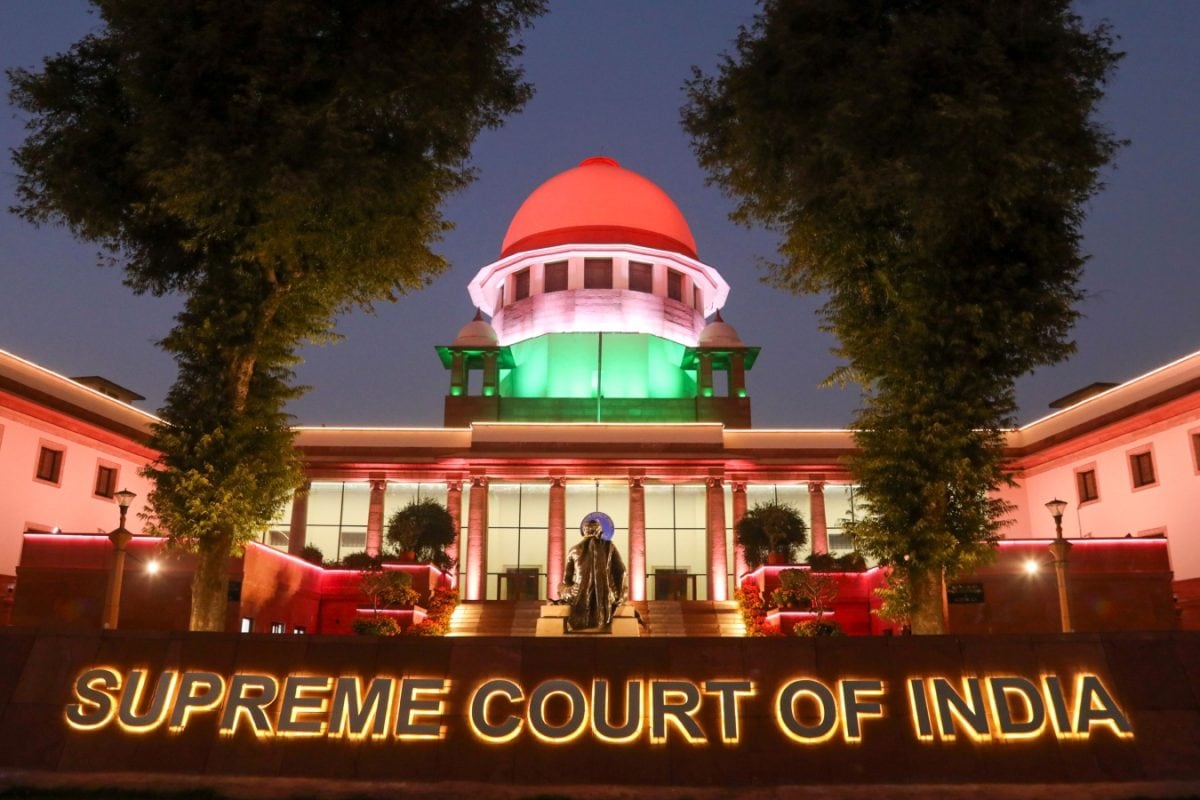
How long can a state governor withhold assent to bills passed by its legislature? This critical question is now before the Supreme Court of India following a recent ruling by the Madras High Court regarding the Tamil Nadu Governor's delay in approving bills. Kerala, facing similar challenges with its own Governor, Arif Mohammed Khan, has filed pleas with the Supreme Court seeking its intervention.
Senior advocate T.R. Venugopal, representing Kerala, pointed to a significant judgment by a bench including Justice J.B. Pardiwala. This judgment established guidelines and timelines for governors and the President when considering bills passed by state legislatures. It underscores the importance of timely action to prevent legislative logjams and ensure the smooth functioning of the democratic process. Kerala hopes this precedent will influence the Supreme Court's decision in its own case.
The tension between Kerala's elected government and the Governor has been simmering for some time. Several bills passed by the state assembly have been awaiting gubernatorial assent, creating a political impasse. The state government argues that these delays undermine the will of the people and impede the state's ability to govern effectively. The Governor, on the other hand, has expressed concerns about the legality and constitutional validity of some of the pending legislation.
The Supreme Court's intervention is now crucial to resolve this constitutional standoff. The court's decision will not only impact Kerala but also set a broader precedent for the relationship between Governors and state governments across India. The issues at stake include the balance of power between the executive and legislative branches, the role of the Governor in the legislative process, and the very principles of federalism enshrined in the Indian Constitution.
This case carries significant weight, potentially reshaping how Governors exercise their powers and responsibilities. The judiciary's interpretation will determine the limits of gubernatorial discretion and affirm the democratic principles that underpin India's governance structure. The nation watches closely as the Supreme Court prepares to address this pivotal constitutional question, with the potential to redefine the dynamics of state-center relations. The courts decision is expected to clarify the boundaries of gubernatorial power and its impact on the legislative processes of democratically elected governments.
Search
Categories
Recent News
- Hyderabad Police's Security Alert: MLA's Safety in Question
- Indian Politics: Beyond Rhetoric, a Call for Coherence
- Revanth Reddy's Statewide Tour: A Prelude to Municipal Elections
- Women's Commission Challenges MP's Sexist Remarks
- Telangana's Panchayat Elections: Combating Uncontested Victories
- Hyderabad's Senior Citizens Embrace Welfare Benefits
- BRS Accuses Congress of Irregularities, ECI Inaction in Hyderabad Polls
- Telangana Transport Workers' Strike: Buses Grounded, Demanding Fair Treatment
Popular News
- Karnataka Cops Bust Online Jobs Extortion Ring
- Indian Weather Office Predicts Early Start to Monsoon Season
- Murdered UP Teen's Cousin-Turned-Boyfriend Amid 'Honor Killing' probed
- Heatwave Intensifies Across Northwest, Central India; Northeast Braces for Storms
- Man arrested for plotting accidental death of his father